The Best 3-Week North & Central Vietnam Itinerary: Hanoi, Sapa, Ha Long Bay, Ninh Binh, Da Nang & Hoi An
Posted June, 2026
Disclaimer: We only recommend products & services we know and trust and all opinions are our own. This post may contain affiliate links that at no additional cost to you, may earn us a commission.
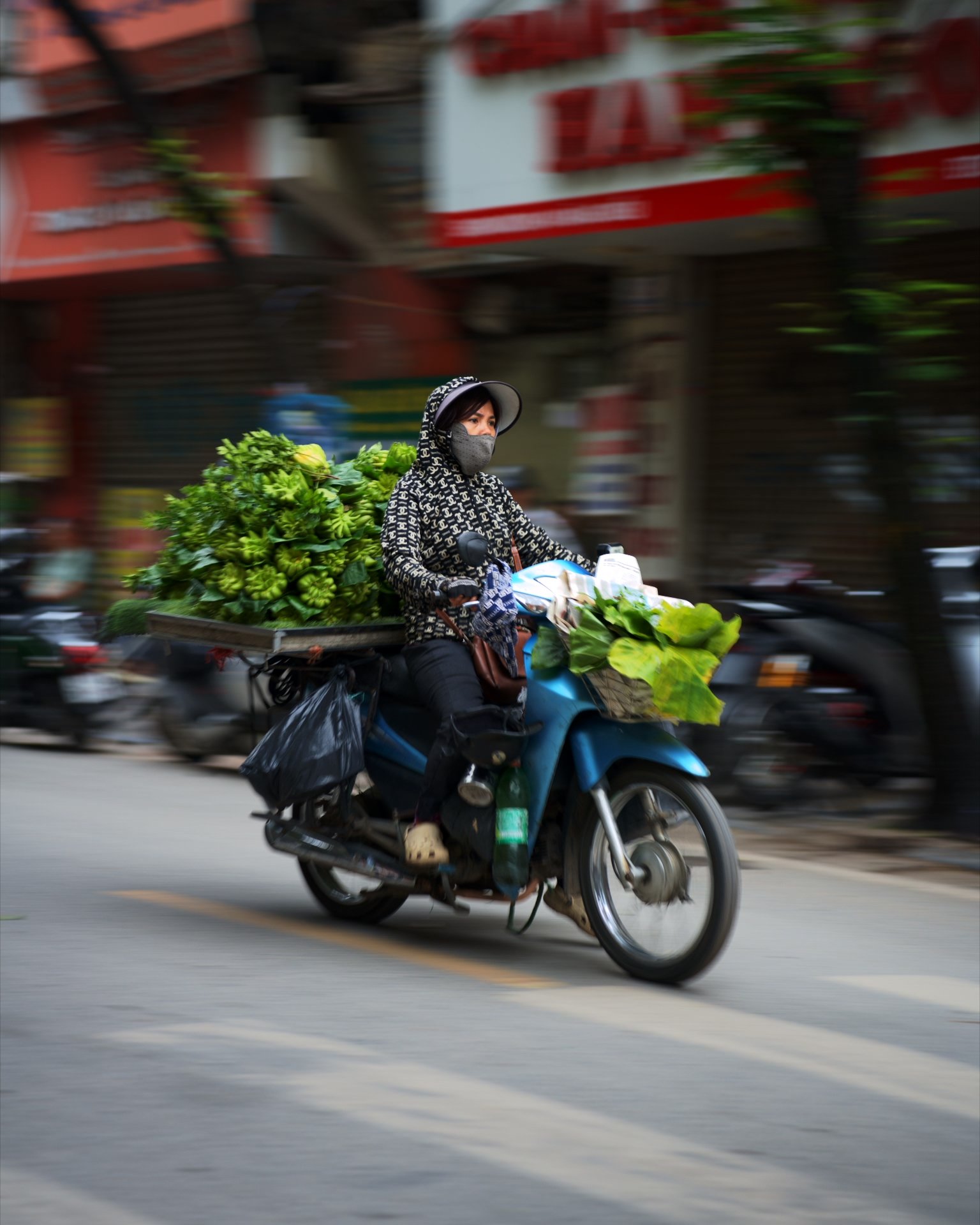
Vietnam is one of those countries that doesn't just meet expectations. From the chaotic, electric energy of Hanoi's Old Quarter to the rice terraces of Sapa, the karst limestone peaks of Ha Long Bay and the ancient streets of Hoi An, this country packs an almost unfair amount of variety into a single trip.
This three-week itinerary covers the north and centre of the country, finishing with a few days of well-earned beach time on the central coast. This is our trip from May, 2026!
Best season to visit Vietnam
Vietnam, like most South East Asian countries, has a wet and a dry season. The exact timing of these seasons can be different in the north to south, with the northern rainy season beginning in the summer months of June and July, while the heaviest rain of the central and southern regions is from August to November. Rainy season in Vietnam is no joke, and should be avoided due to the amount of flash flooding that occurs, preventing a lot of sight-seeing and exploring by foot.
The peak of summer should also be avoided. June, July and August can see entire weeks of 36 degree weather with humidity that make it very difficult to enjoy walking around or being outside for most of the day.
So here are the best months you should try and squeeze in your Vietnam trip:
Best season: End of February to end of April. This is Vietnams peak tourism period. The end of the rainy season and winter in the north, brings mild, drier days across the entire country. Note that the national week-long holiday of Tết takes place at the end of January or early February, which will mean millions of domestic travellers in the country and a lot of closures of restaurants, shops and attractions. Days are dry and the weather is perfect for spending time outside!
Second option: December through February. During these months, the central region, cities like Hue, Da Nang and Hoi An are experiencing their rainy season, however both the north and southern areas of the country are entering their dry seasons. With cool temps, this might be a good time to visit if you prefer a lower season with more hotel availability.
Try to avoid: June to September. With scorching days across the entire country, and the beginning of the rain in the northern and southern ends of Vietnam, this is the least optimal time to visit. It can be too hot to be outside between 10am and 3pm, with frequent heatwaves and powerful afternoon storms possible in Hanoi and Ho Chi Minh City.
Hanoi: 4 nights
Accommodation Recommendations
Budget: Valoria Premium Hanoi Hotel, from $20 per night
Mid-range: Euphoria Hotel & Spa, from $35 per night
Luxury: La Siesta Premium Lakeside, from $200 per night
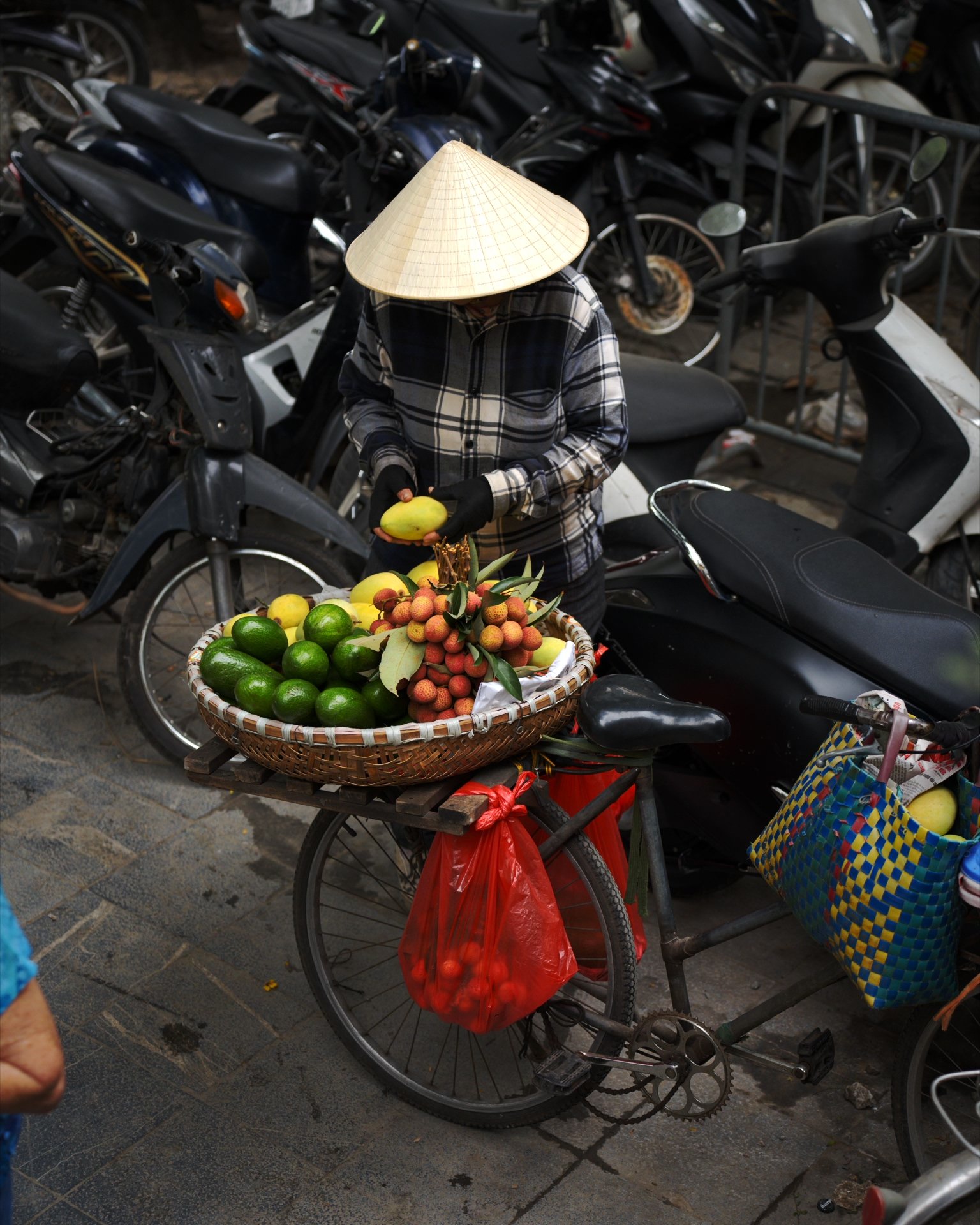
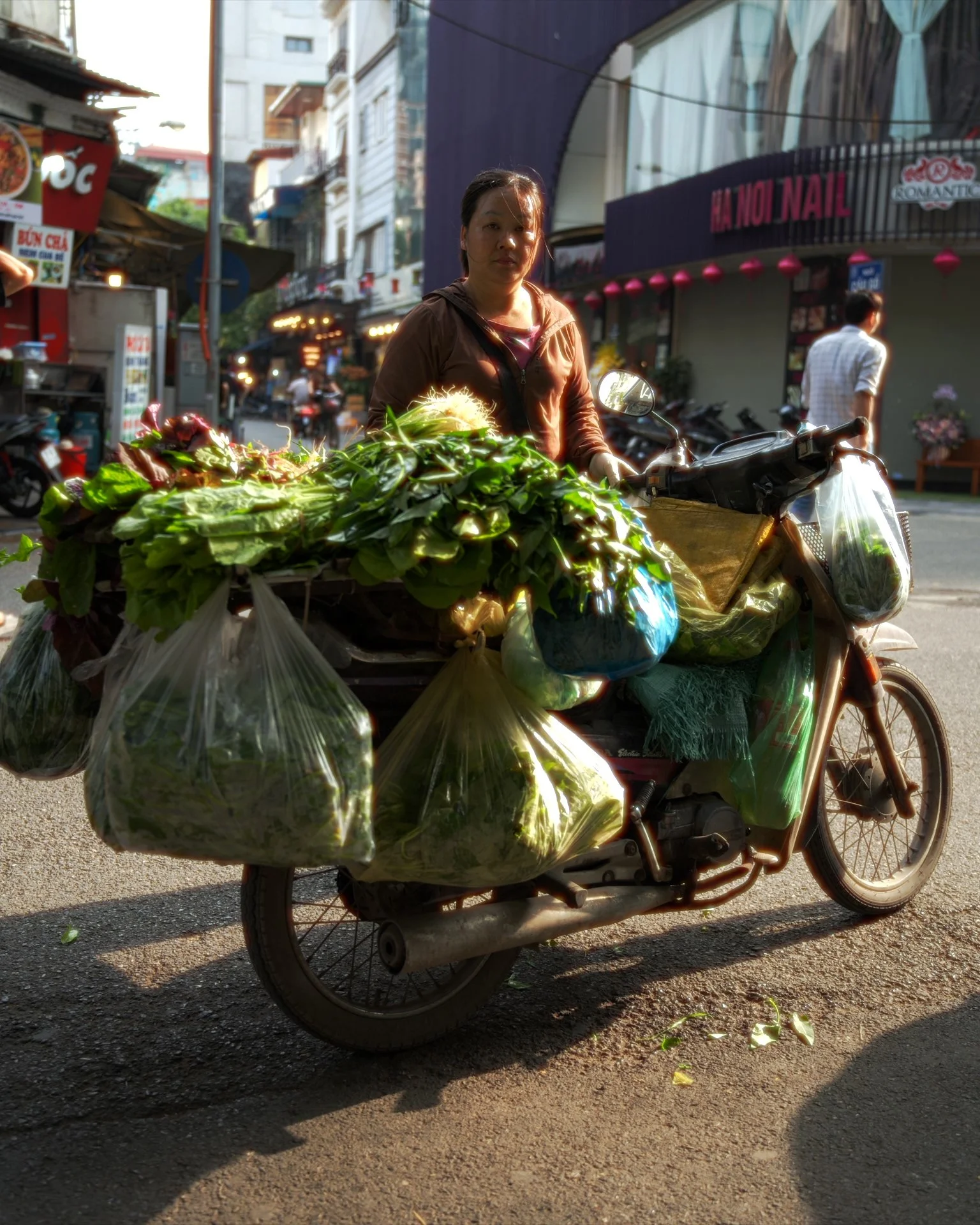
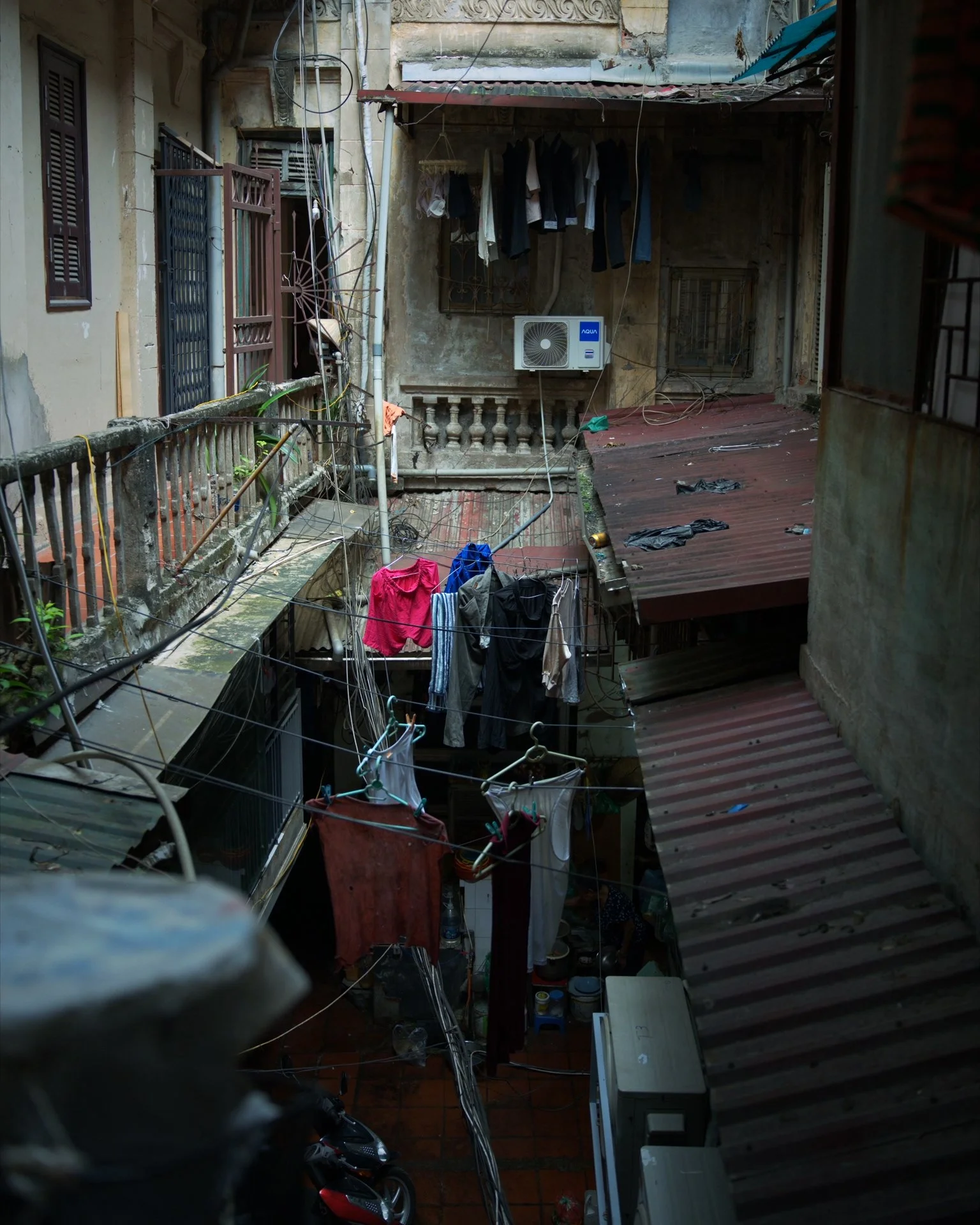
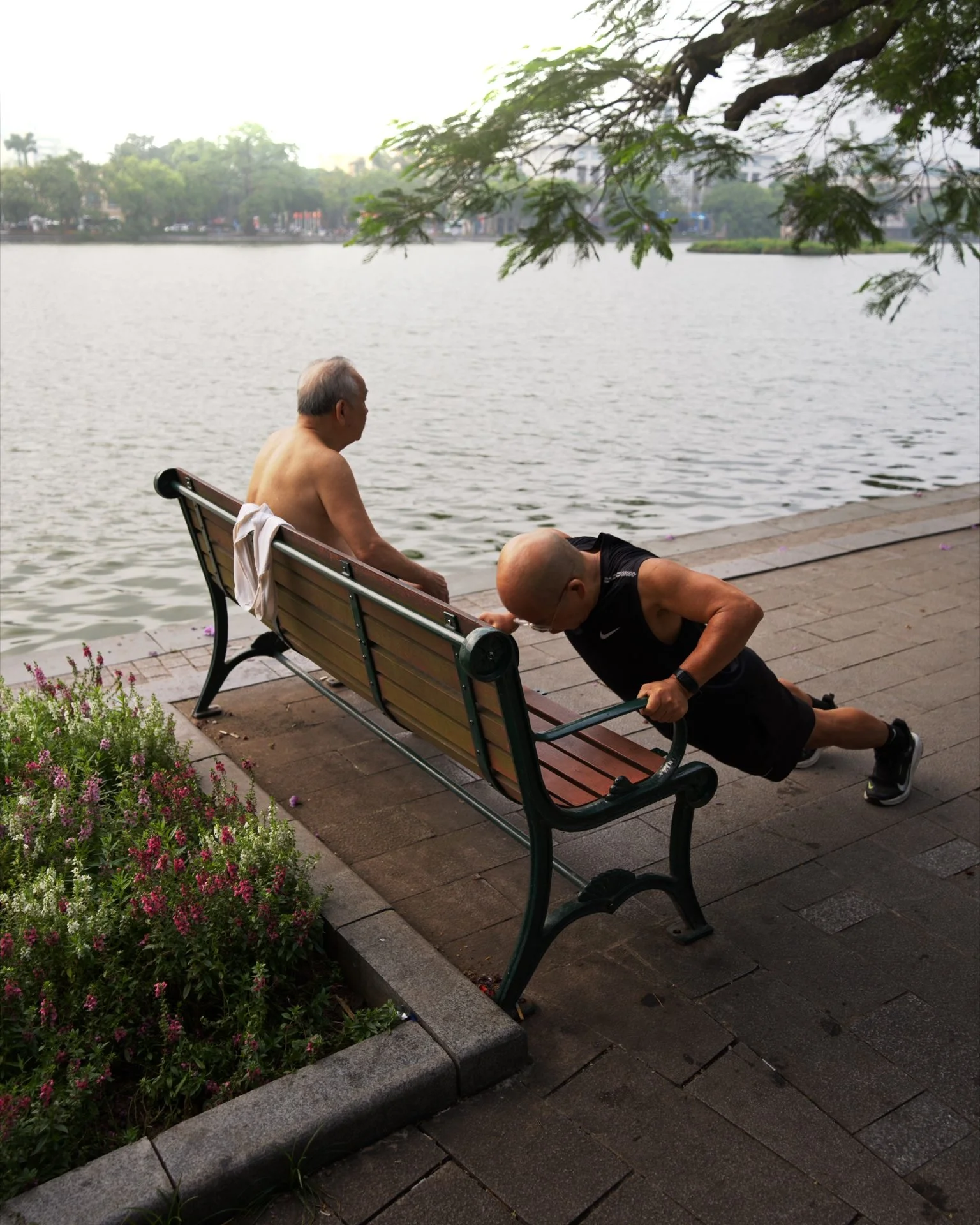
We stayed along Pho Hung Bai, on the south shore of Hoan Kiem Lake, and it's a great base. You're a short walk from the Old Quarter and the lake itself, without being right in the thick of the tourist noise. Hanoi has lot to offer, it’s dense and layered between colonial era suburbs and new modern developments, four nights here gives you a chance to settle in to Vietnam, immerse yourself in traditional northern culture and see the best the capital has to offer without rushing.
Day 1: Arrive to Hanoi
We arrived late, so the first evening was simple. Get your bearings and eat. Head into the Old Quarter and wander until something pulls you in. ‘Met 4’ in the Old Quarter is a great first dinner with approachable takes on Vietnamese staples. If you arrive early enough to catch the afternoon, a walk around Hoan Kiem Lake as the sun drops is perfect, you’ll see the streets come alive in the afternoons!
Day 2: Ho Chi Minh Complex & the Old Quarter
Start the morning at the Ho Chi Minh Mausoleum and walk the broader Ba Dinh area, taking in the Presidential Palace, the One Pillar Pagoda and the surrounding gardens. It's a significant chunk of Vietnamese history concentrated in one place, however a lot of the information isn’t presented well in English. You’ll come across thousands of school kids doing history field trips here as well. From there, walk east towards St. Joseph's Cathedral and down to the lake.
By midday, the heat will start to earn its reputation. Head back to your accommodation and cool down before the afternoon session. Hanoi rewards early mornings and late evenings far more than it does trying to brave the scorching heat in the middle of the day.
For breakfast before heading out, we returned twice to Muoi Tieu, a western style cafe with familiar and fusion dishes that I guarantee will suit anyone.
Day 3: Train Street, Hoa Lo Prison & Beer Street
Have breakfast at Muoi Tieu again, your hotel, or one of Hanoi’s many street side breakfast options, before heading to Hỏa Lò Prison Museum mid-morning. It's, one of the most well-presented historical museums in the country and an interesting piece of both Vietnamese independence and American war history.
On Train Street, the trains run throughout the day so there's no magic time to visit. We'd point you to the southern, quieter end of the street rather than the tourist-packed northern cafes. Hanoi 1990s (south of Hanoi Station) is a good choice. You may need to get a grab there from wherever you are!
After a rest back at the hotel, head to the Thang Long Water Puppet Theatre for the 4pm show. Book ahead. It's touristy, yes, but it's also pretty cool. A performance tradition that's been running for nearly a thousand years and one of the most distinctly Vietnamese things you can do in the capital, the music is great and the skill of the puppeteers is seriously impressive.
For dinner, head into the Old Quarter and wander down to Bia Hoi Street (Ta Hien) for a look at what's genuinely one of the more chaotic, fun streets in Asia on a weeknight. When you've had enough of the street level energy, find your way up to Northern Soul Rooftop Bar, a hidden gem that overlooks the whole scene from above. Great spirits and beer, no touts or hustlers and a great view down into the madness below.
Day 4: Cho Dong Tac & Old Quarter Shopping
A slower final day. Start with coffee and pastries at Awhile Coffee, which was right next to our accommodation and served up quality machine, and vietnamese style coffees.
Spend the morning on a longer walk through the Old Quarter. After lunch, take a Grab to Cho Hang Thung Dong Tac, a second-hand clothes market that is genuinely one of the most authentic ‘thrifting’ experiences we've come across anywhere. Mountains of clothing piled across shopfronts, pieces starting at 10,000 VND. Go with time and a light bag. Don’t expect $300 antique Levi’s, but you never know what you’ll come across if you dig deep enough!
Early night, because you've got a long drive into the mountains tomorrow!
Sapa: 3 nights
Accommodation Recommendations
Budget: Sapa Hills Hotel, where we stayed, mountain view rooms from around 400,000 VND/night, excellent value
Mid-range: Quiet Sapa Hotel, from $40 per night
Luxury: Topas Ecolodge, from $250 per night
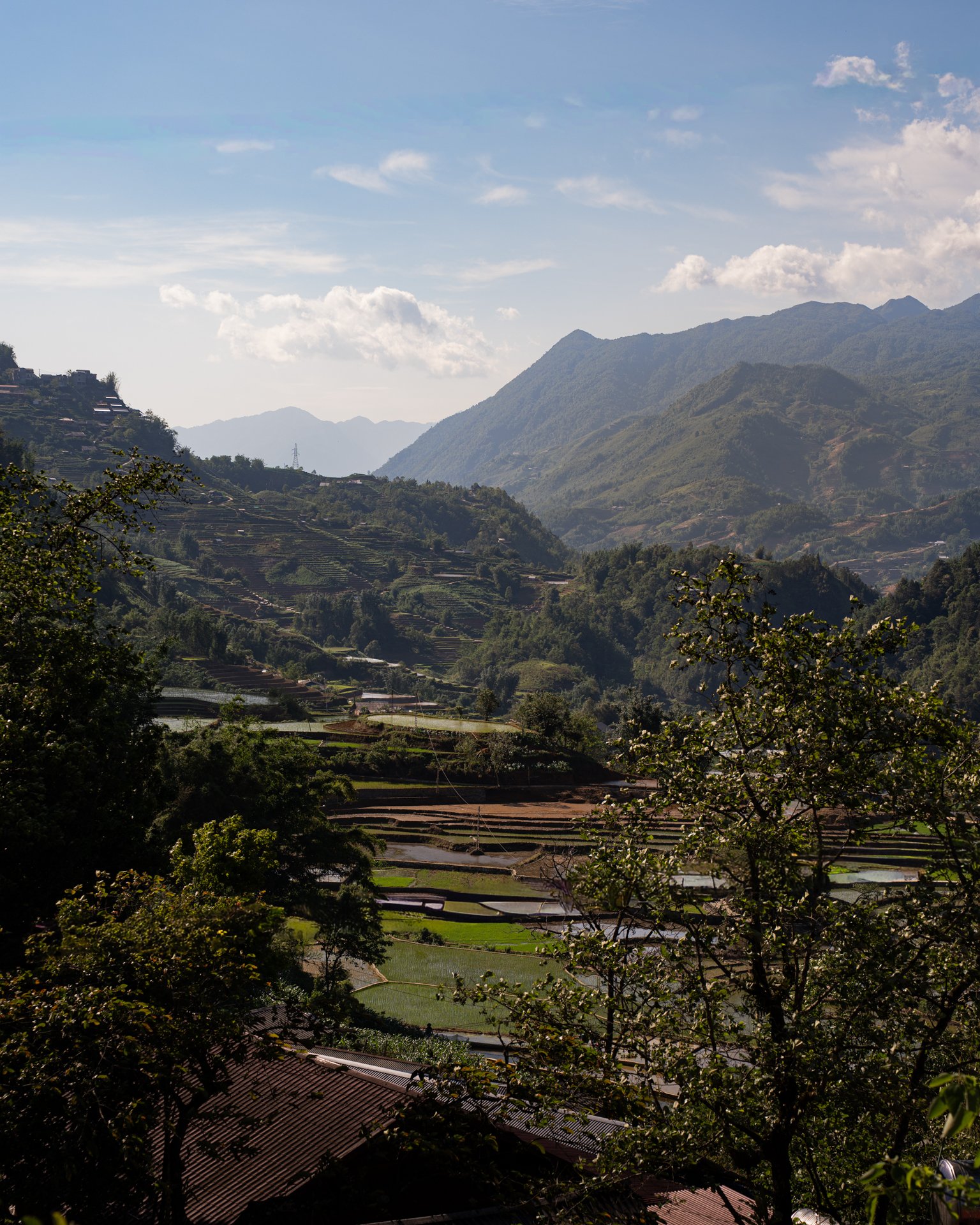
We travelled from Hanoi to Sapa by limousine bus, departing around 7am and arriving into town around 2pm. It's a long haul but the limousine buses are comfortable, air-conditioned and relatively affordable. The road into Sapa through the Hoang Lien Son range is spectacular in its own right, with a new one-way separated highway being constructed right now.
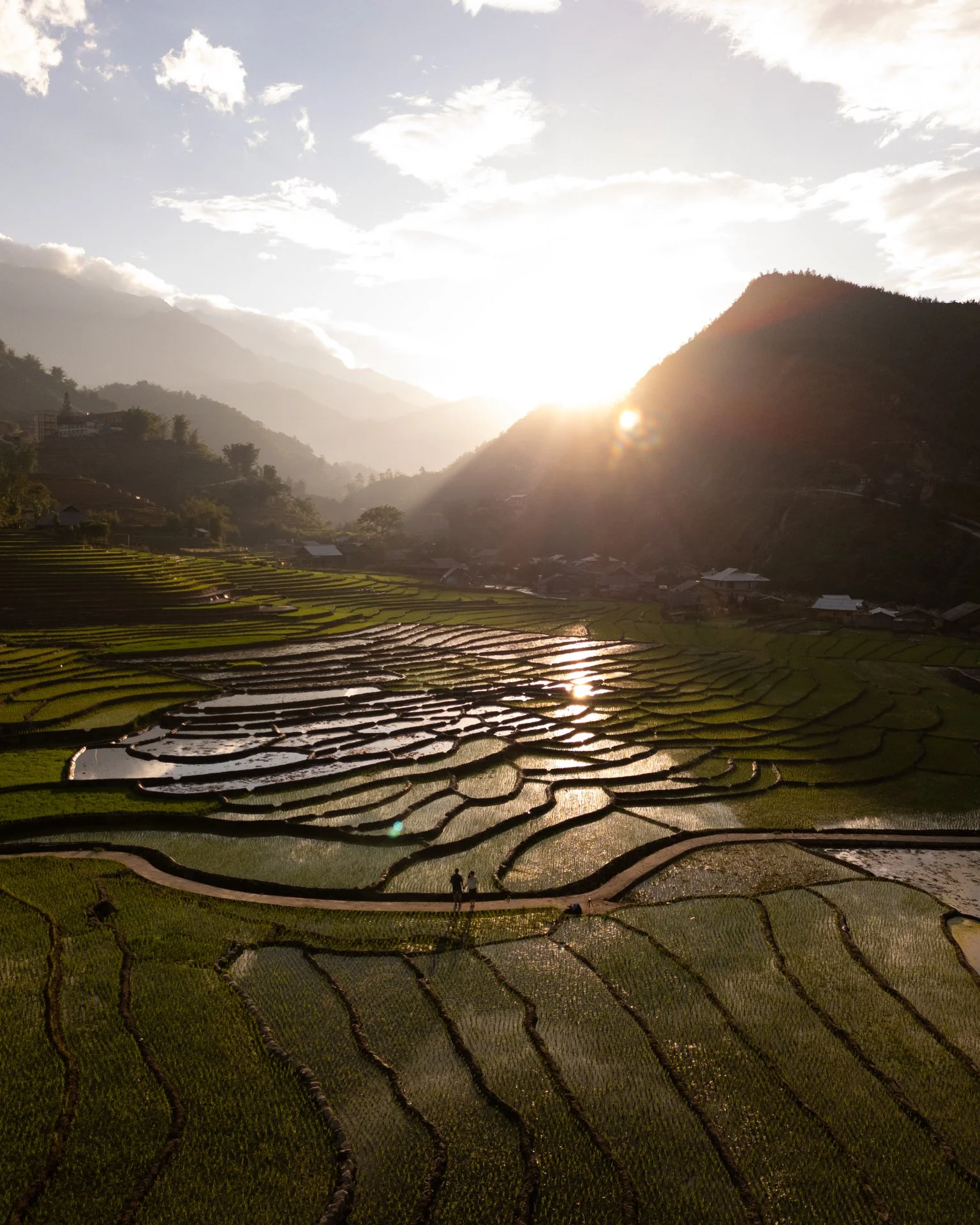
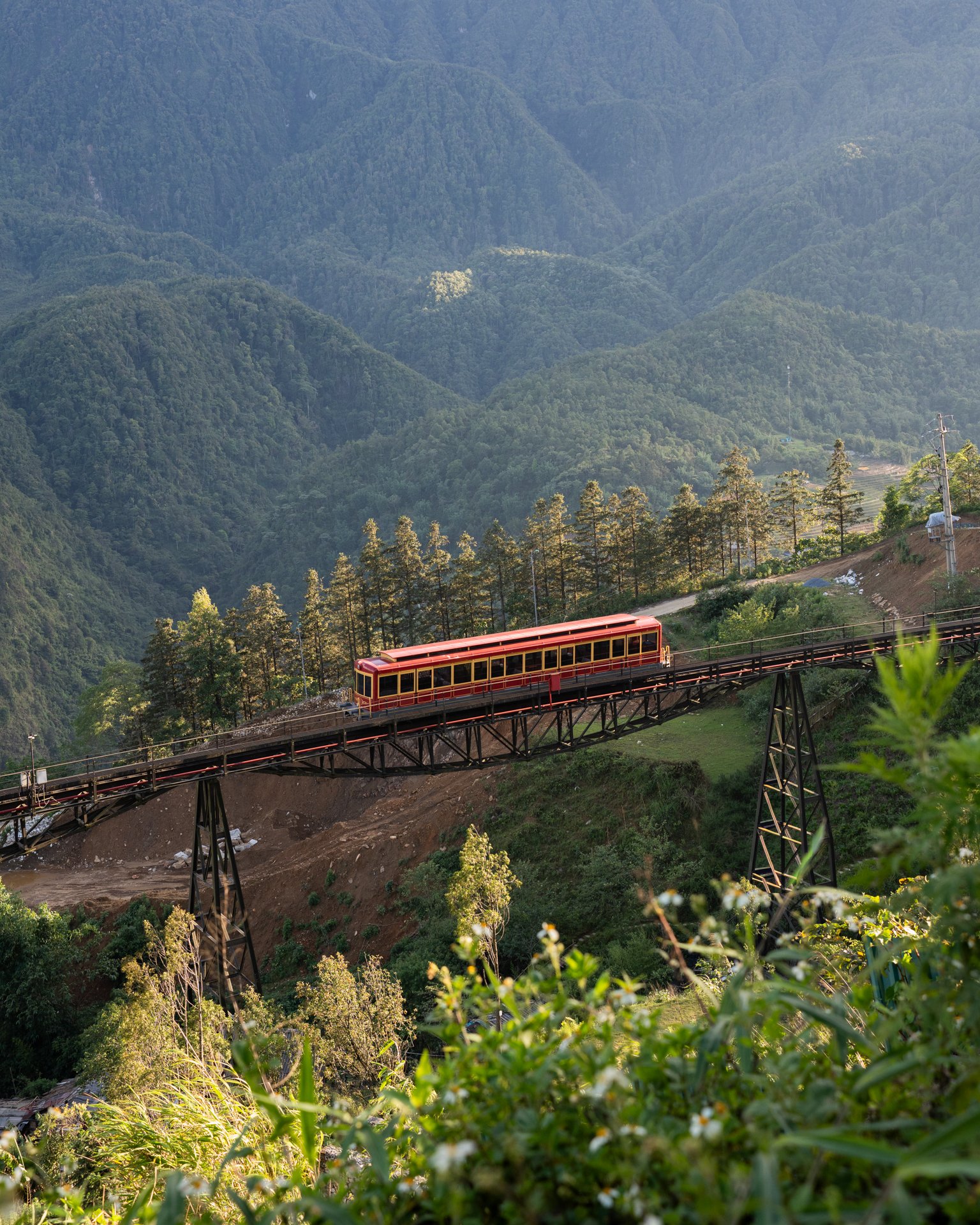
Sapa sits at altitude and it shows. The air is genuinely cooler and the landscape is unlike anything else in Vietnam. On arrival, check in and have lunch at Little Vietnam nearby, then spend the late afternoon strolling around Sapa town and watching the sunset from Viettrekking Cafe, which overlooks the funicular and the valley beyond. Happy hour at Color Bar before a deep dish pizza dinner at Chicago Pizza Sapa, which sounds like a strange choice in a mountain town in northern Vietnam, but honestly after a seven-hour journey anything goes.

Day 2: Cat Cat Village & Fansipan
Start the morning at Cat Cat Village, and go early. This is key. By visiting before the souvenir stalls have opened up, you get the village without as much commercial tourist activity, and a slightly closer look at this once culturally rich settlement with genuine craft traditions, performance spaces and historical significance as a former French colonial outpost. Enter from the first gate on the way down the mountain and exit via the northern end of the village. Don't miss the tube slide near the top of the exit path. It's fun, slightly ridiculous, and they sell drone footage of your run if you want the memory, we paid about 240k VND total with the drone clip.
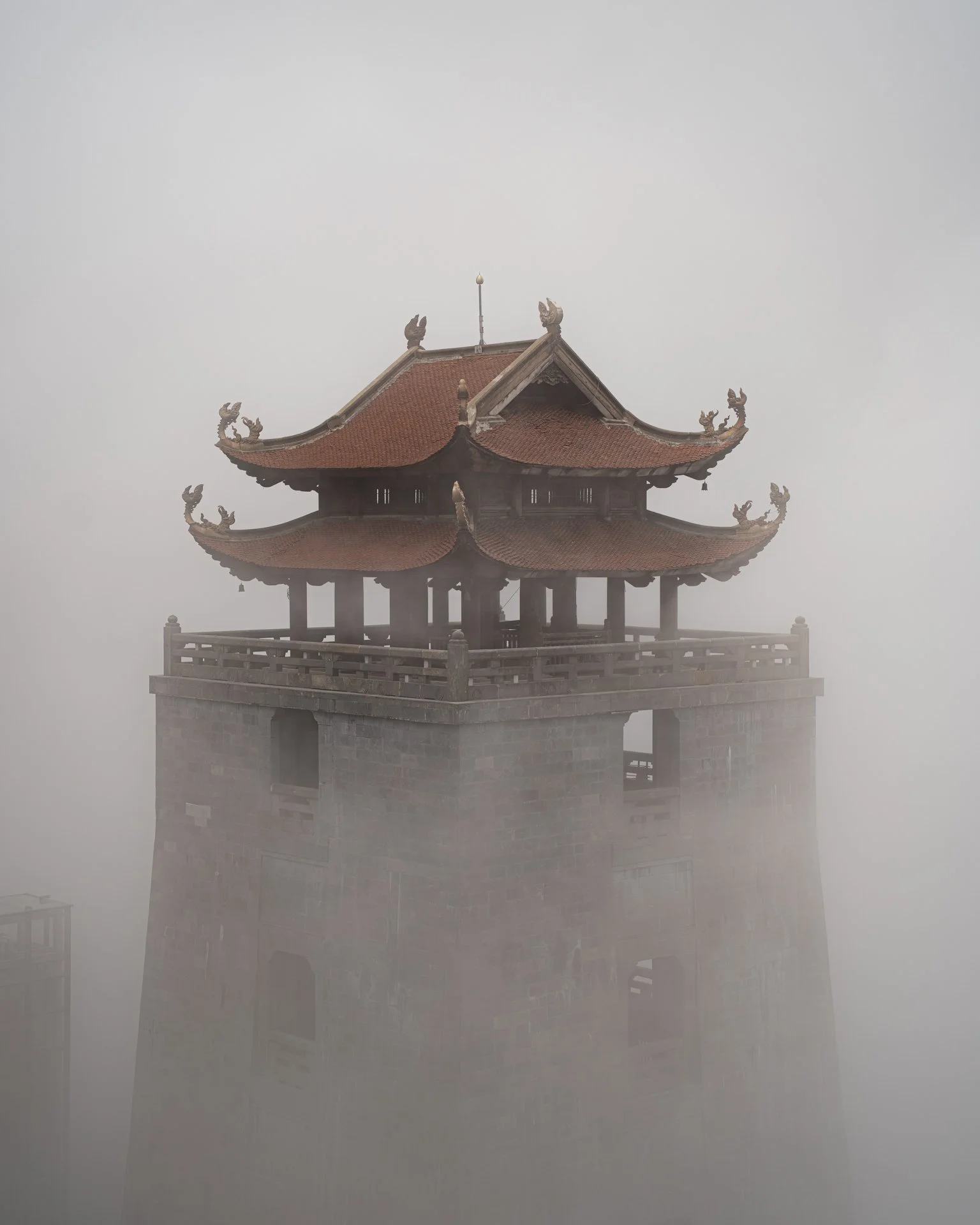
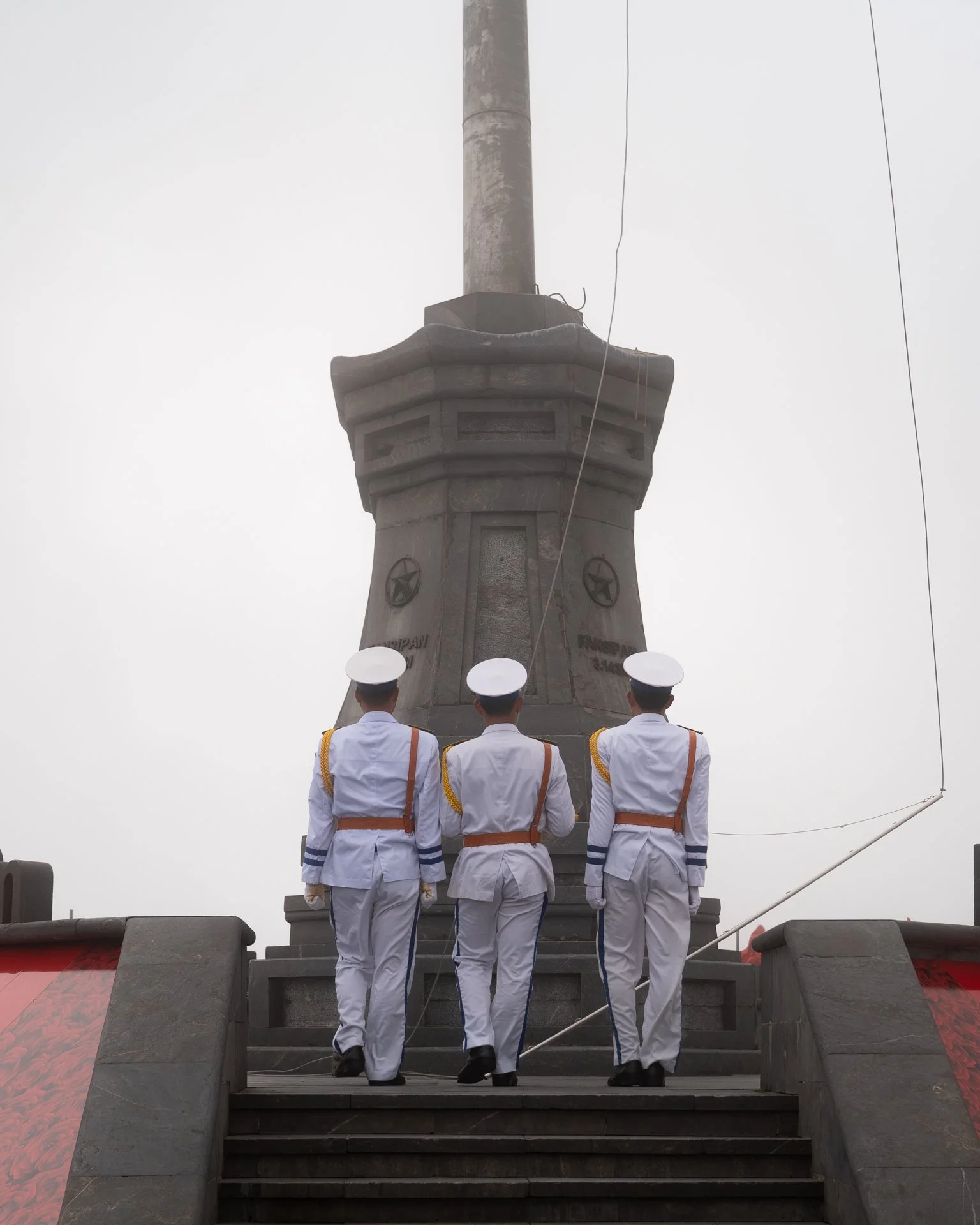
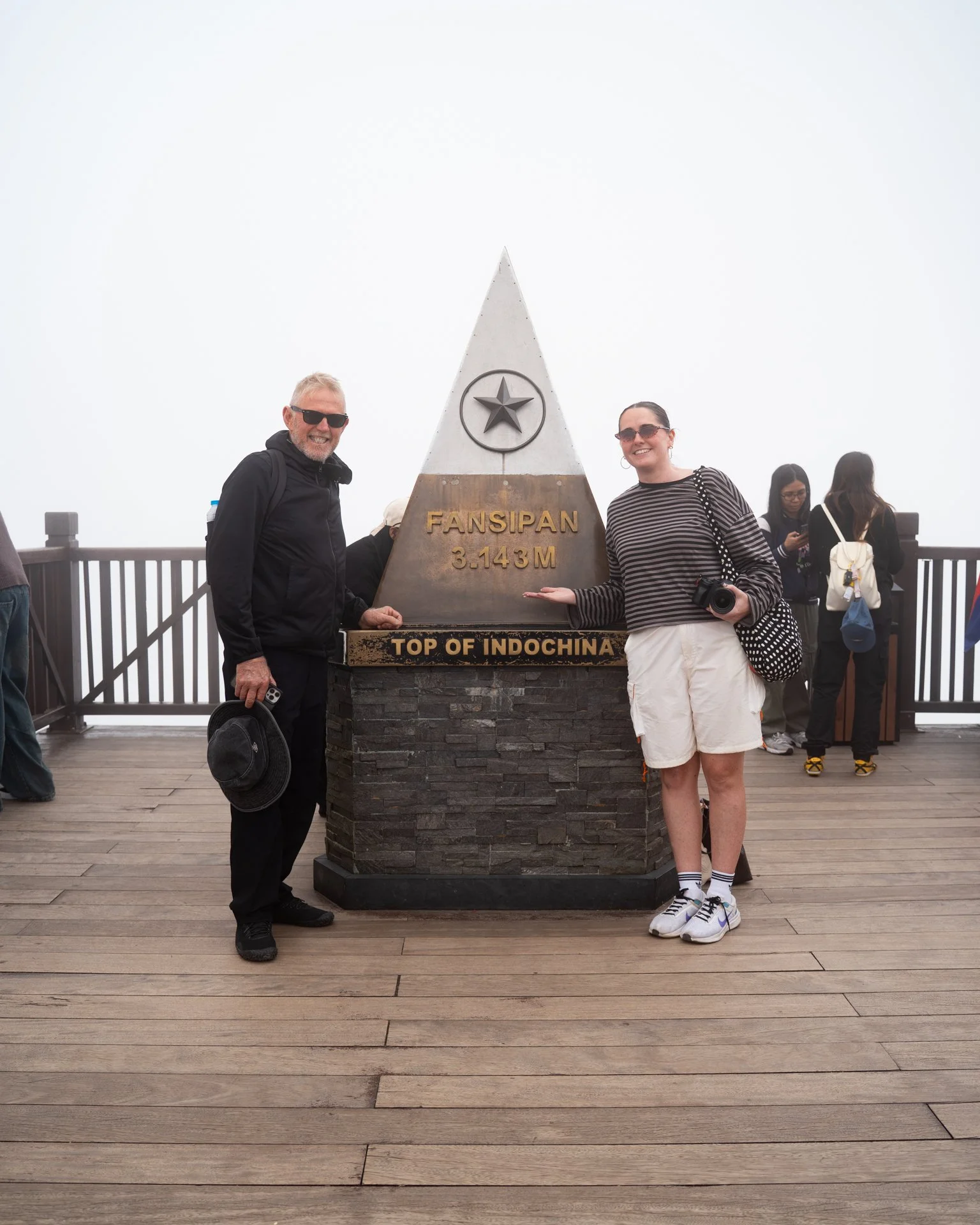
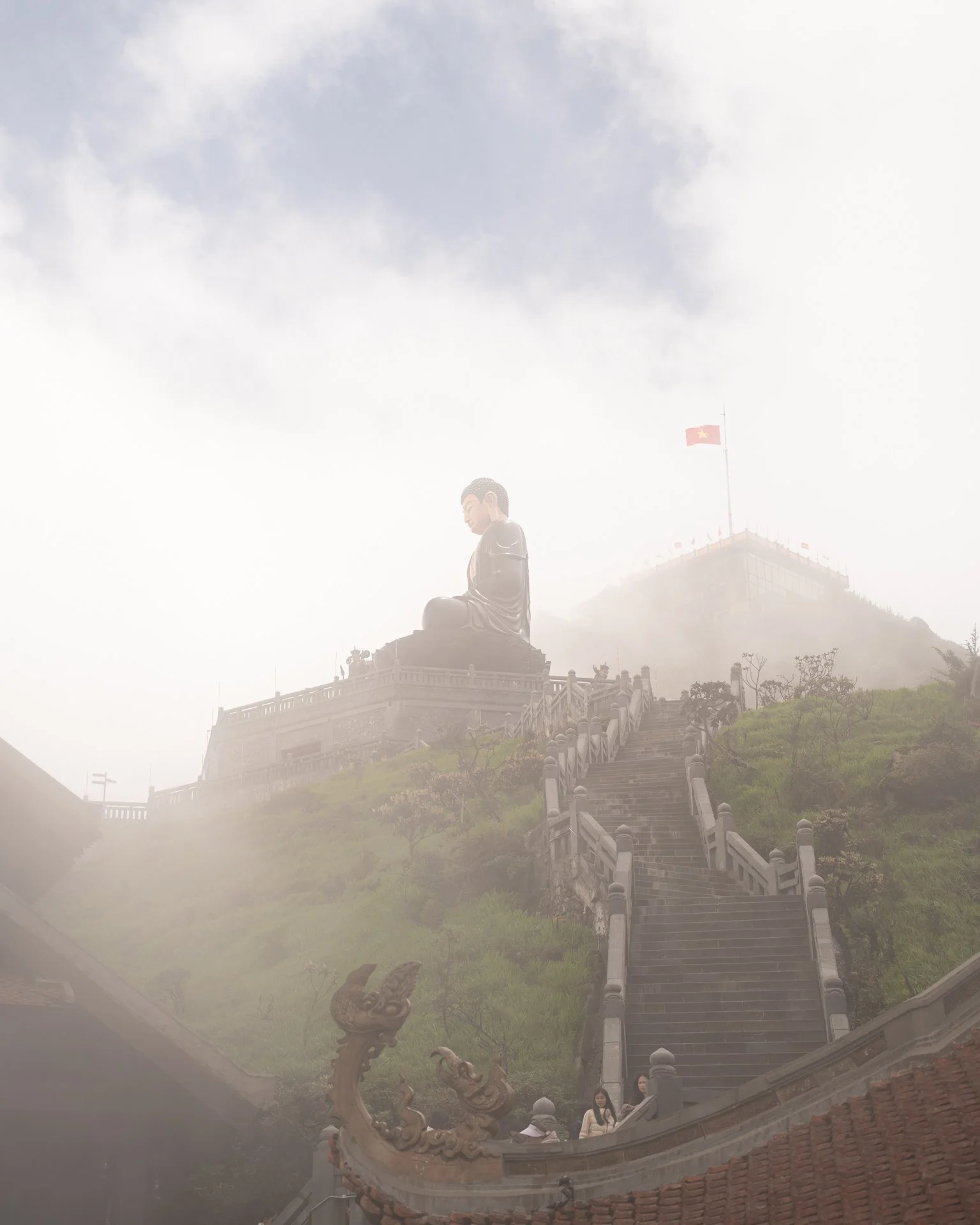
In the afternoon, get yourself to Fansipan Mountain. Do not skip this. The cable car ride alone is worth the ticket, as one of the longest and highest in the world, and the views across the cloud-draped peaks of the Hoang Lien Son range are extraordinary. The summit area has some cultural exhibition content similar to what you'll see at Cat Cat, along with beautifully maintained gardens. The real payoff is standing at the top of Southeast Asia's highest peak. If you're there around 1:30pm, there's a flag raising ceremony conducted by military personnel at the summit flagpole, worth timing your visit around if you can, but note that the mornings are usually the best time to visit the summit to avoid cloud cover.
If you can, rent motorcycles that afternoon to explore the area around Sapa town, and keep them for the next day. Alternatively, ask your hotel, or the Grab driver that takes you down / brings you up from Cat Cat if they can take you to the locations you want to visit tomorrow. They’re quite far so having a driver who can wait while you visit the locations is helpful.
One thing we'd note: summer is tough in Sapa. The cloud cover can be thick enough to completely obscure the valley views that make this place famous. If you have any flexibility in your travel timing, the months of September through November and March through May offer significantly clearer skies.
Day 3: Sunrise, Dragon Cloud Bridge & Lao Chai Valley
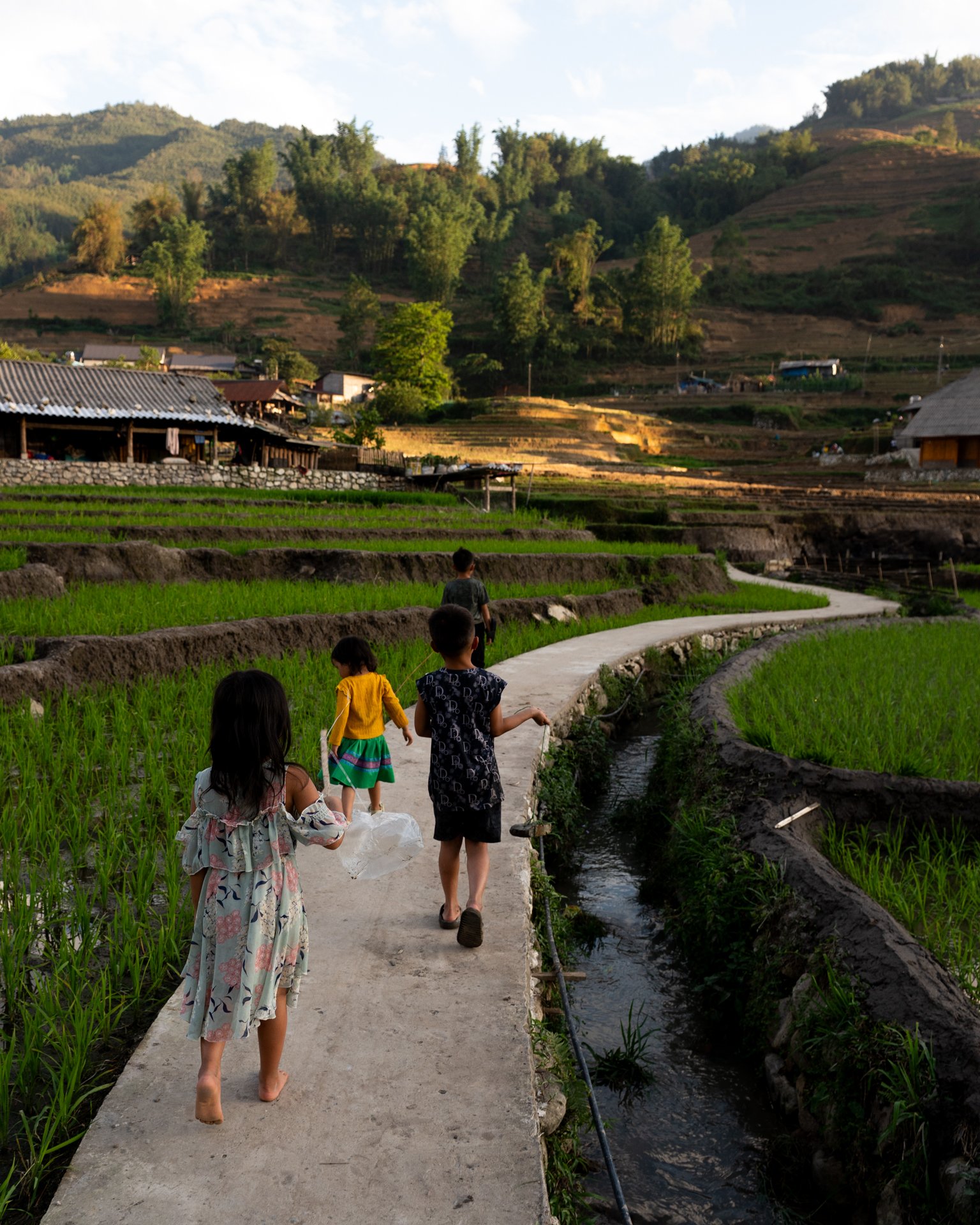
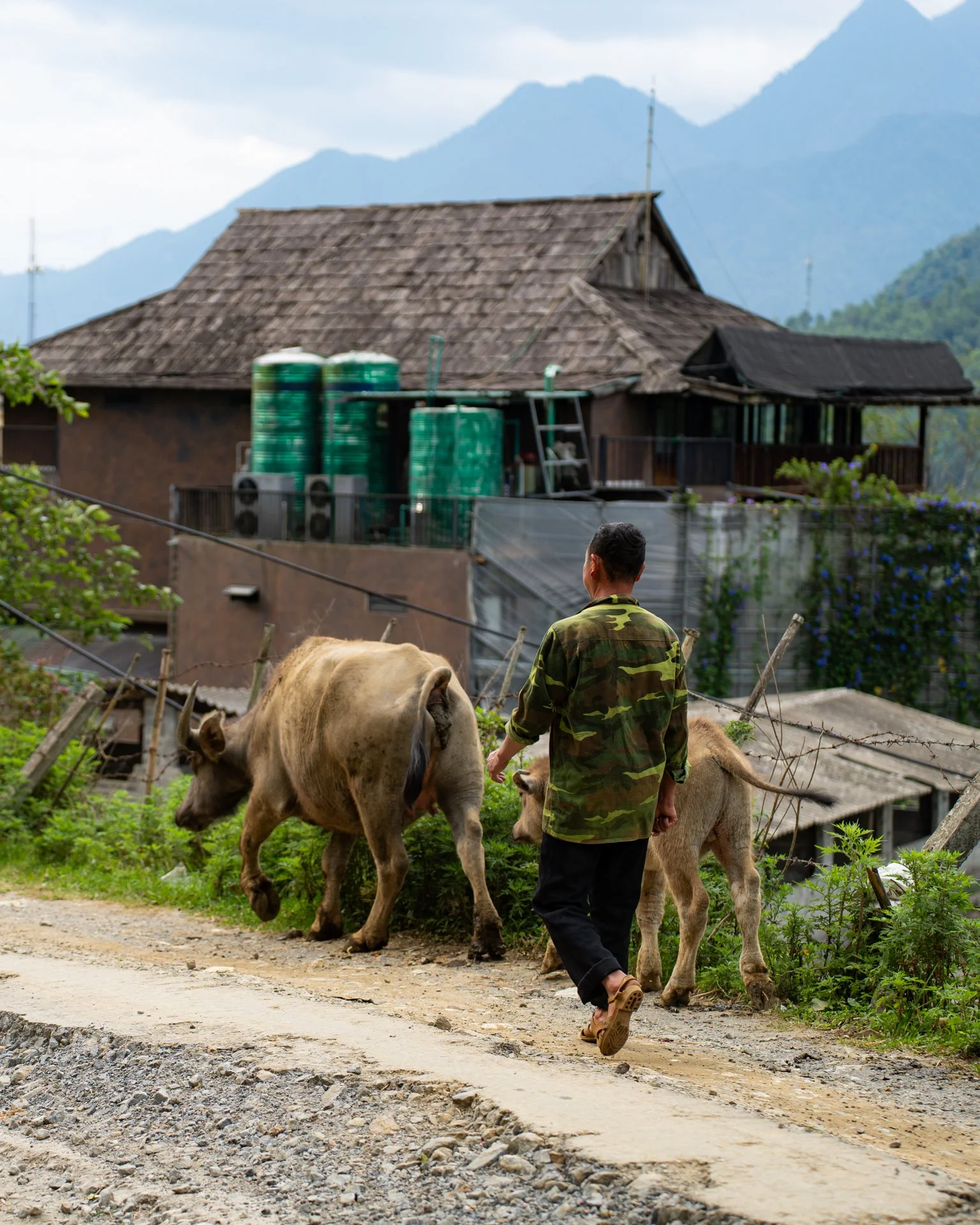
Up early for the O Quy Ho viewpoint at sunrise, riding up from town for views back along the valley. Cloud cover dependent this can be spectacular, and even on an overcast morning the landscape is worth it. Descend back down the main road and into the lower township, where local life is in full swing: school runs, market trips, buffaloes and cows being moved through the rice terraces to pasture. Stop for coffee at Horizon Coffee and enjoy the morning across the valley.
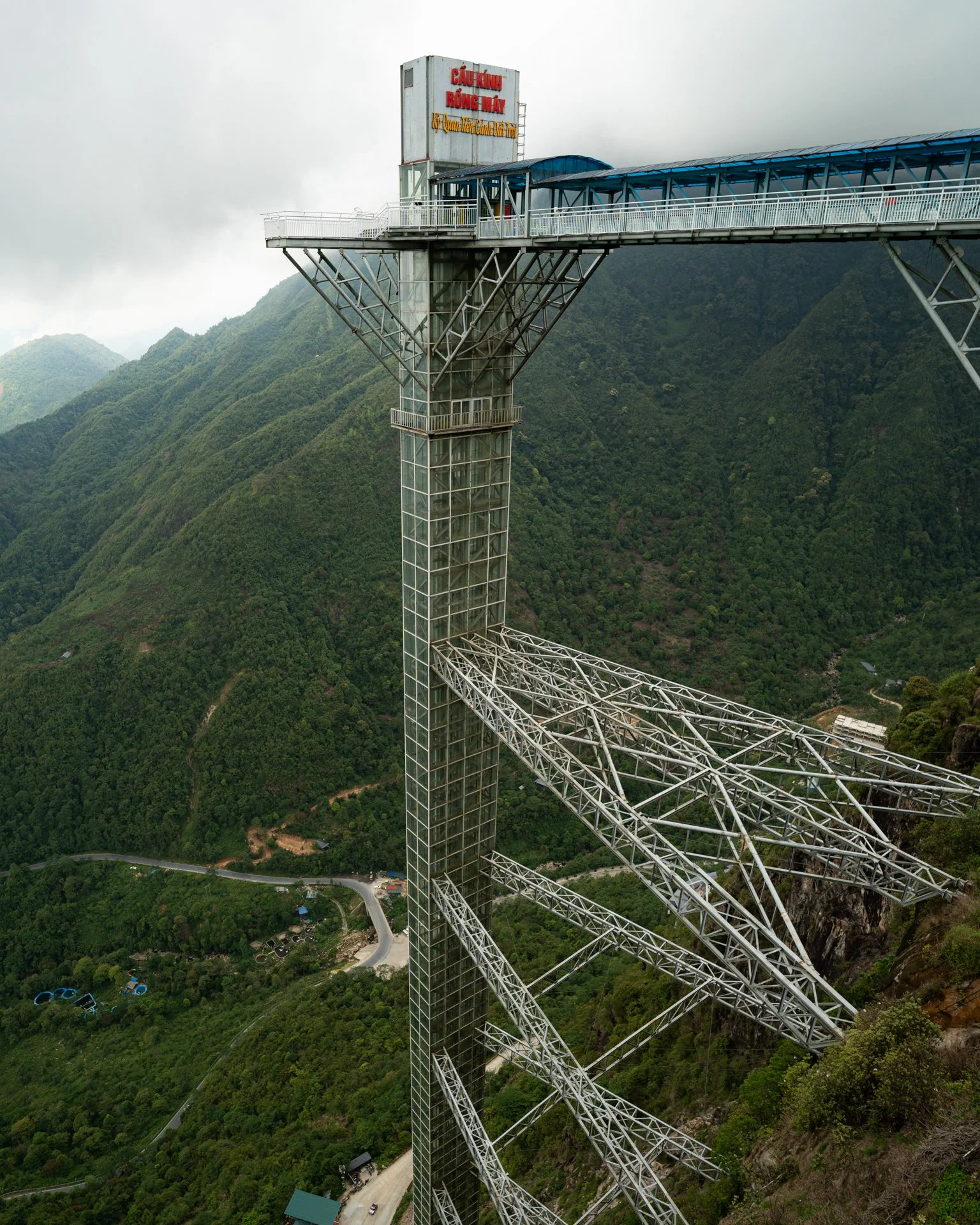
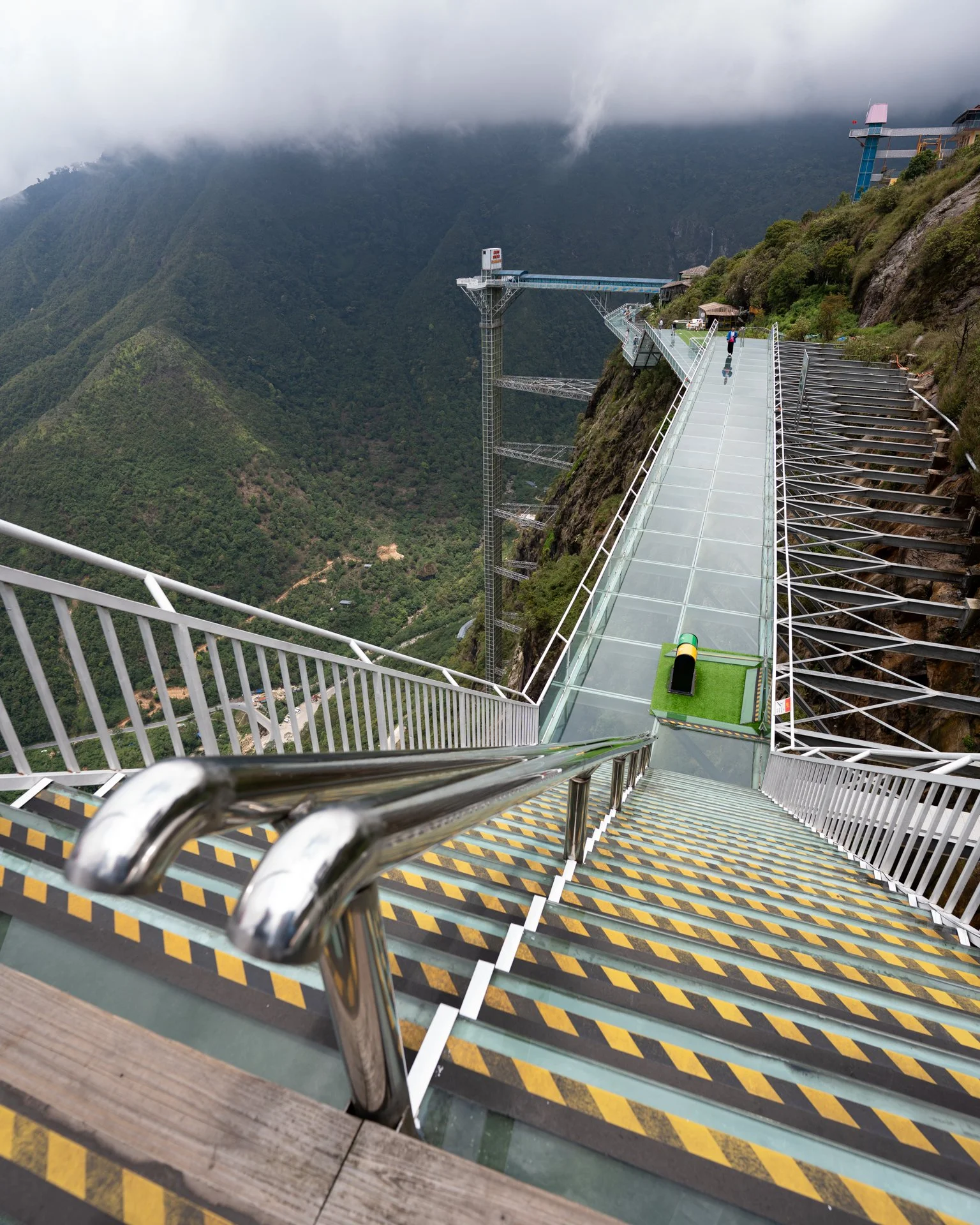
From there, the trip to Dragon Cloud Glass Bridge is an absolute must. The entry ticket (500,000 VND) covers the full bridge area and glass elevator, and there are add-on experiences including the aptly named 'death swing', a hanging bridge plank walk and other vertigo-inducing options for a small additional fee approx. 100k VND each. The engineering of the bridge itself is remarkable, and the views across the valley in all directions are some of the best we had in Sapa. Afterwards, swing past the Lonely Tree of O Quy Ho for a different perspective of the valley and a cold drink before heading back down to town
For sunset, if you have a bike ride down into the valley along one of the trekking routes to Lao Chai village at the valley floor. The views along the rice terraces towards Fansipan as the sun drops behind the peak are genuinely among the most beautiful we've seen anywhere in Vietnam. Drop the bikes off back in town, then wind down at Bistro Sapa for a drink before dinner.
Ha Long Bay: 2 nights
Accommodation Recommendations
Budget: Ha Long Essence Hotel, from $40 per night, if you have to stay in Bai Chay
Mid-range: Cycad Cruise, from $350 per night
Luxury: Aspira Cruise, from $450 per night
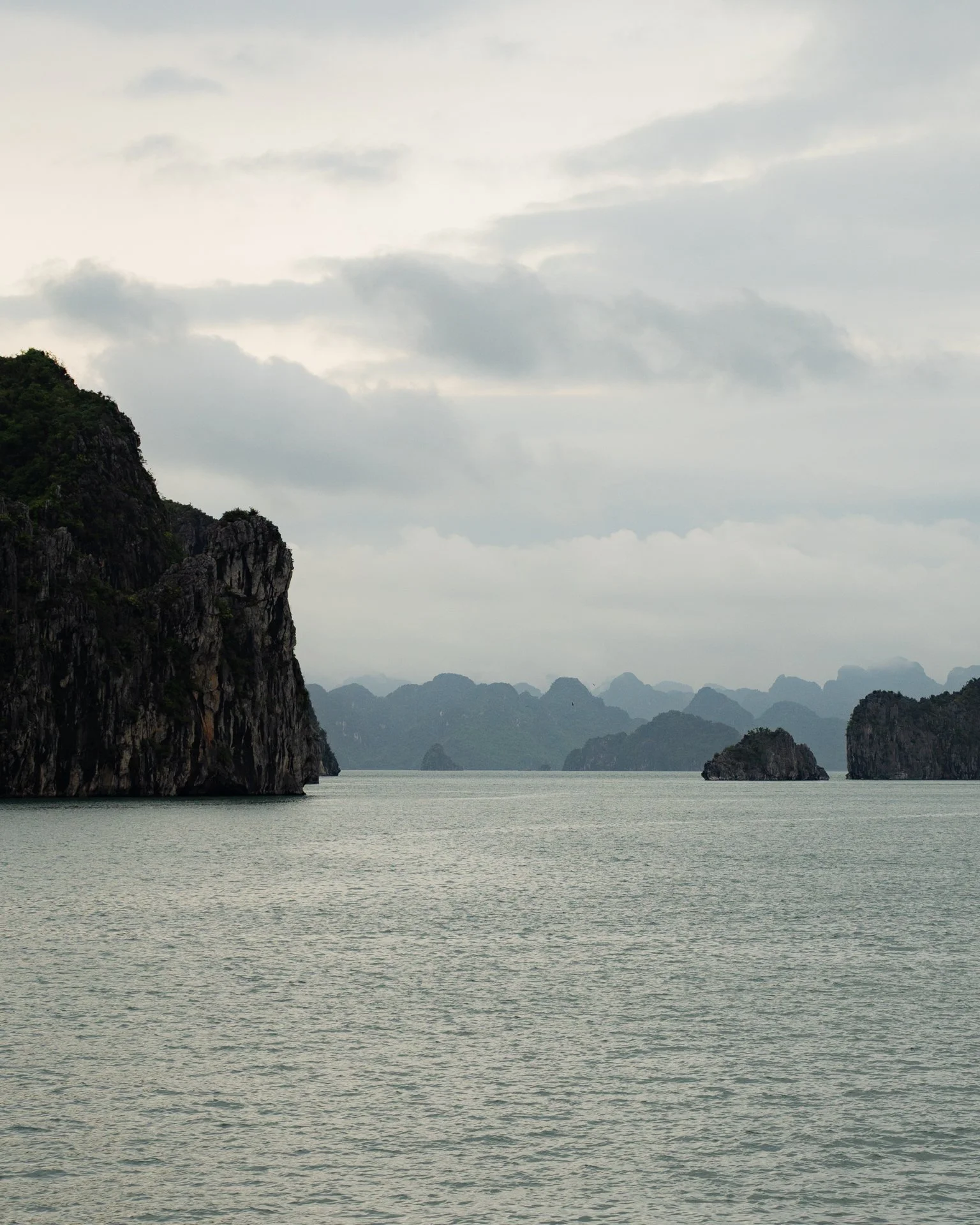
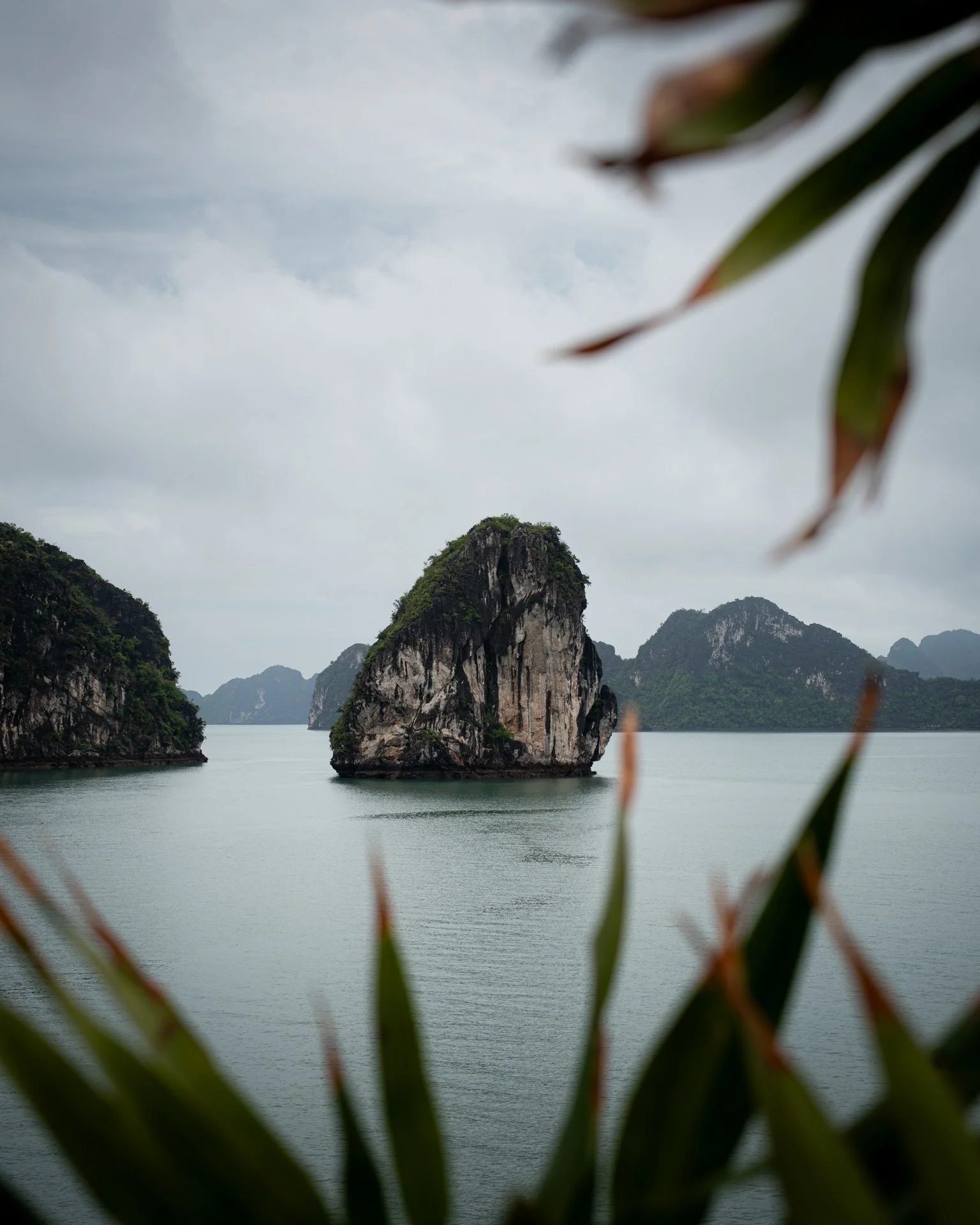
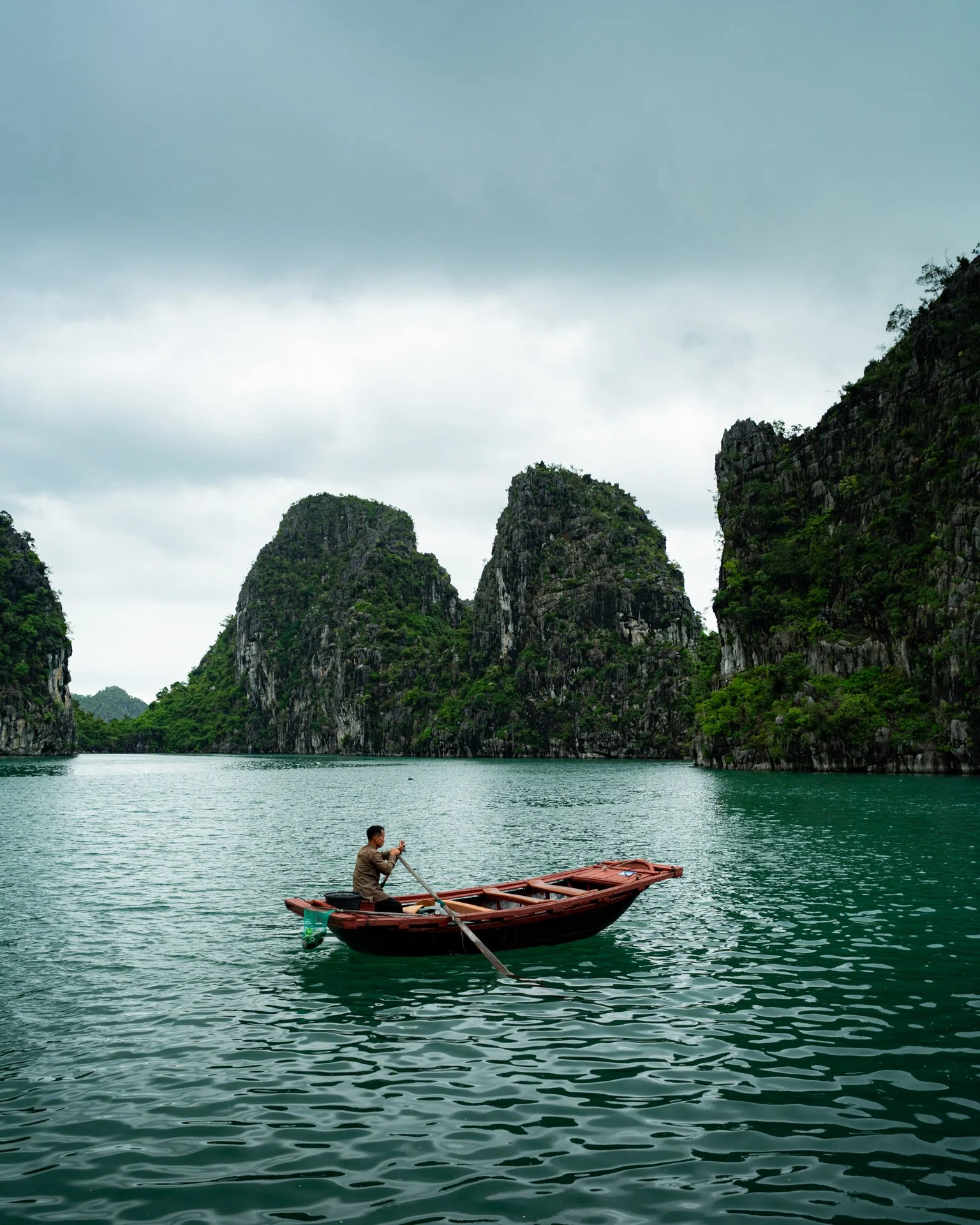
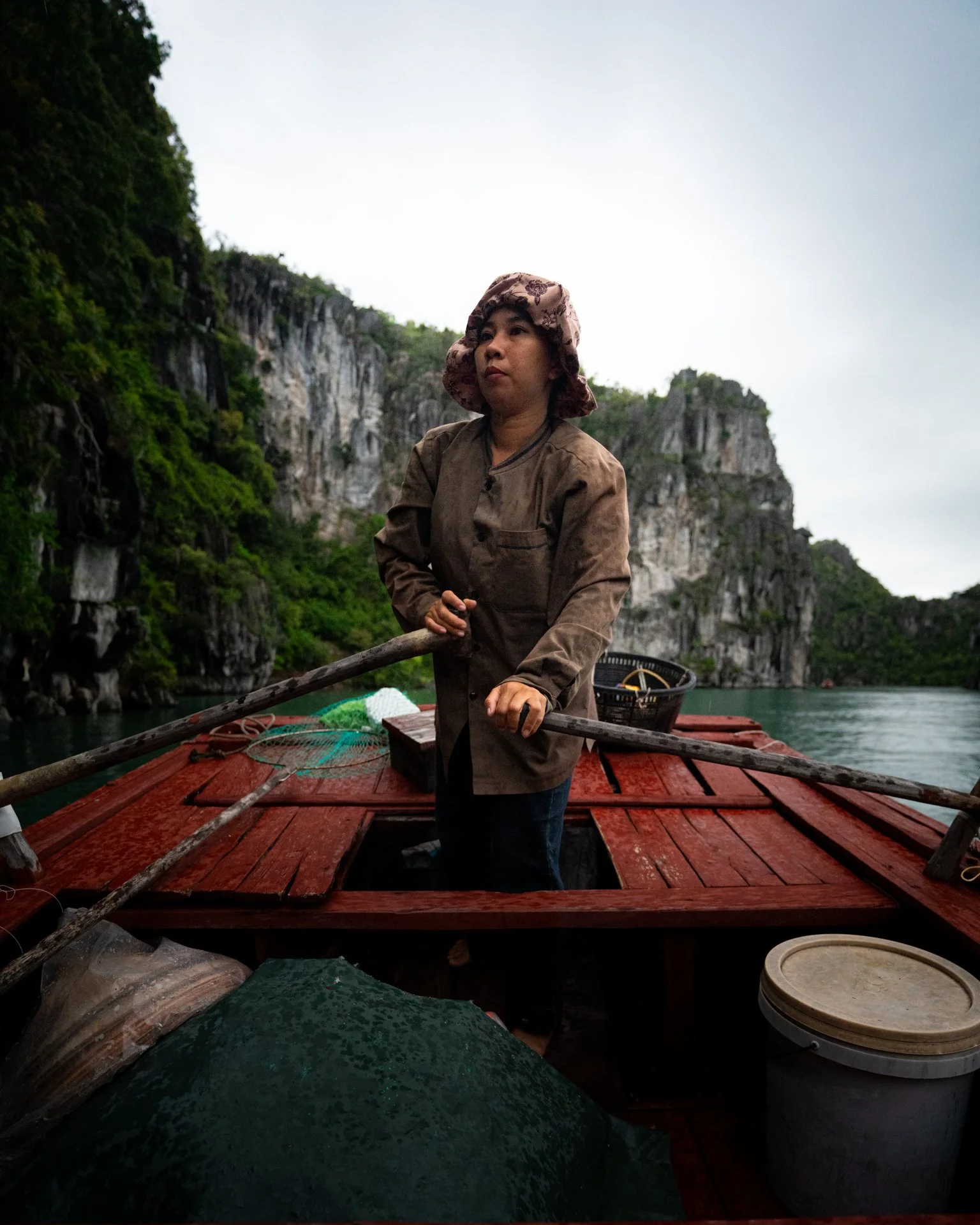
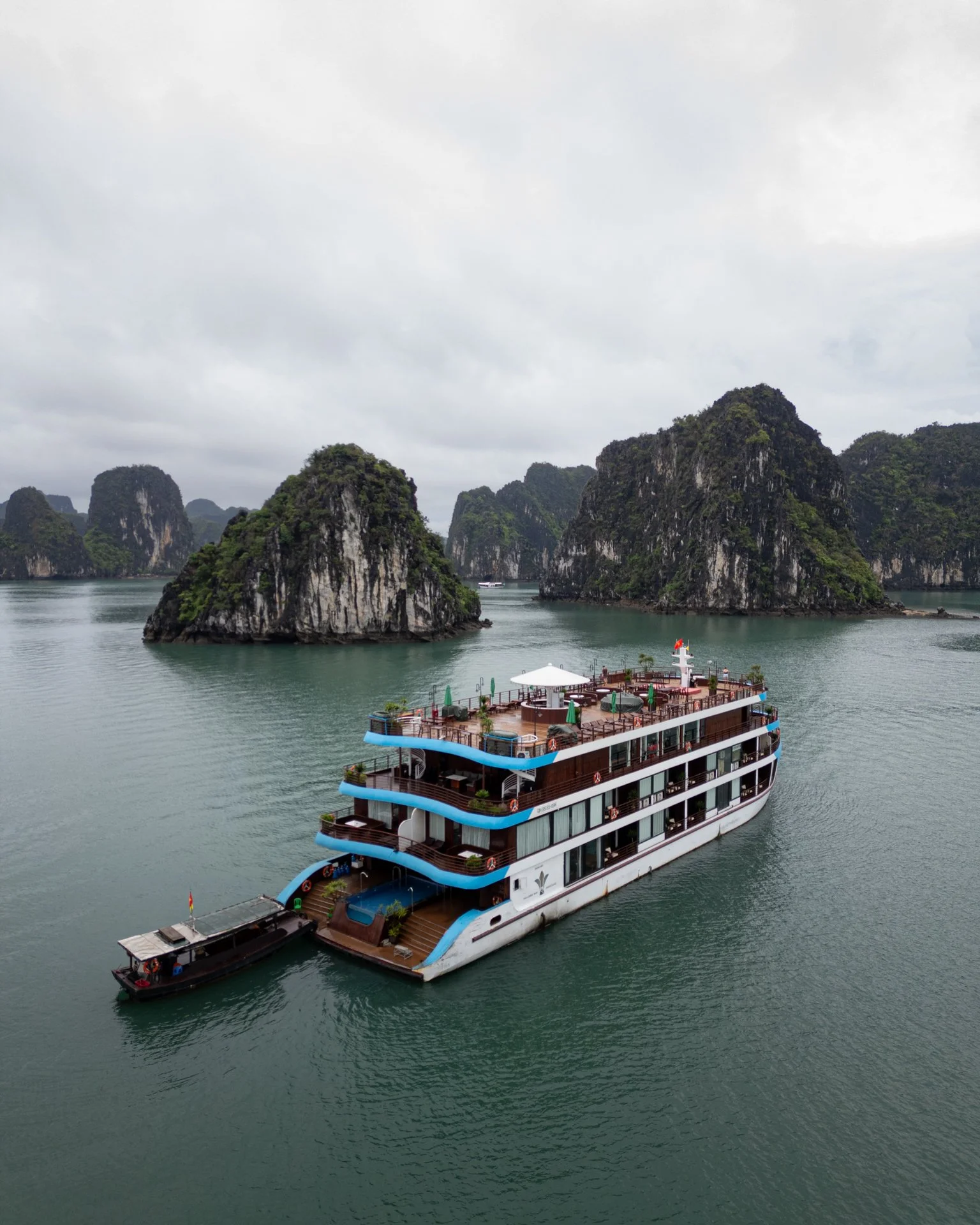
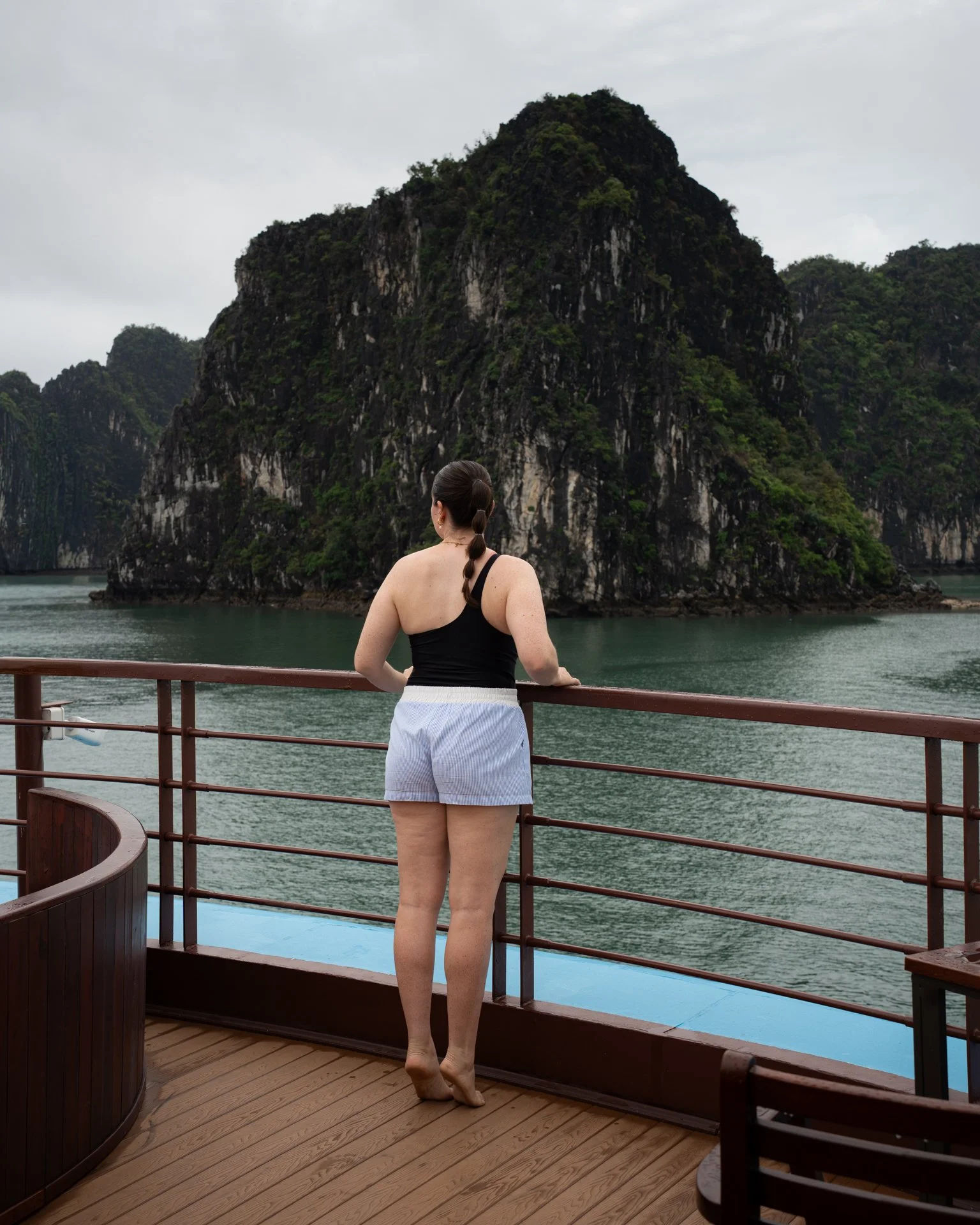
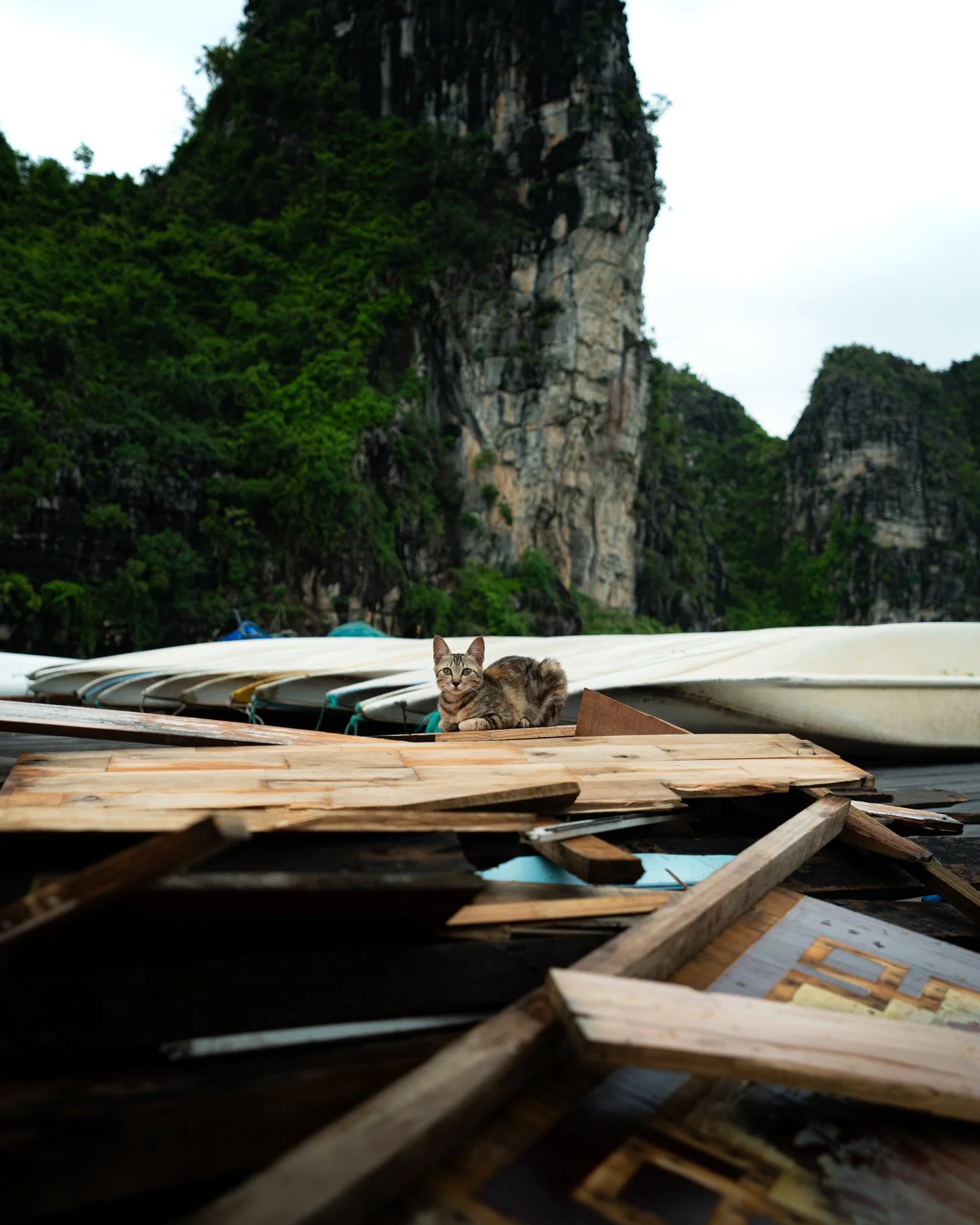
Ha Long actually looks better in person than it does in the photos. Thousands of limestone karst islands rising out of calm, emerald water. There are karst mountain formations all over the world, but to be on a cruise, entirely surrounded by them, is a very unique experience.
Our strong recommendation: transfer directly from Hanoi to your cruise departure point. We spent a night in Bai Chay (Ha Long City) before our cruise and there is genuinely nothing going on there. A few basic restaurants and a couple of bars, time that I’d recommend spending in Hanoi or Ninh Binh. If your cruise departs from Ha Long, the morning transfer from Hanoi is straightforward and gets you there in time without the unnecessary overnight.
We cruised with Cycad Cruises on a one-night trip to Bai Tu Long Bay, the quieter, less-trafficked bay to the east of the main Ha Long area and the better choice for it. The difference in atmosphere compared to the main Ha Long Bay is significant: fewer boats, calmer waters, almost zero waste in the water and more space to enjoy the experience.
The food on board was excellent, a five-star spread across buffet lunches, dinners and breakfasts, with a bar that was reasonably priced given what we’d read online about Ha Long cruise bar pricing. The itineraryincluded a visit to a floating village where local families have built a genuine pearl-farming industry between the karst peaks, as well as a stop at an island beach. Activities were entirely optional, and the crew were not pushy about participation, which was great for those wanting to just relax on board the cruise boat.
Note that there are no independent floating vendors out here as you'd see in the busier bays, so don’t expect to have beer and wine lifted up to your cabin in a net!
Ninh Binh: 3 nights
Accommodation Recommendations
Budget: Hidden Rock Tam Coc, from $20 per night
Mid-range: Tam Coc Peaceful Nature, from $90 per night
Luxury: Emeralda Resort, from $110 per night
The cruise delivers you back to Bai Chay around 11:30am, where you'll meet your driver for the roughly three-hour transfer to Ninh Binh. Stay in Tam Coc village, not Ninh Binh city. Tam Coc puts you within walking distance of the boat departures, the restaurants, a 7-bridges brewery and the main attractions.
Note that Ninh Binh is consistently one of the hottest places in northern Vietnam. Pack accordingly.
Day 1: Bai Dinh & Trang An
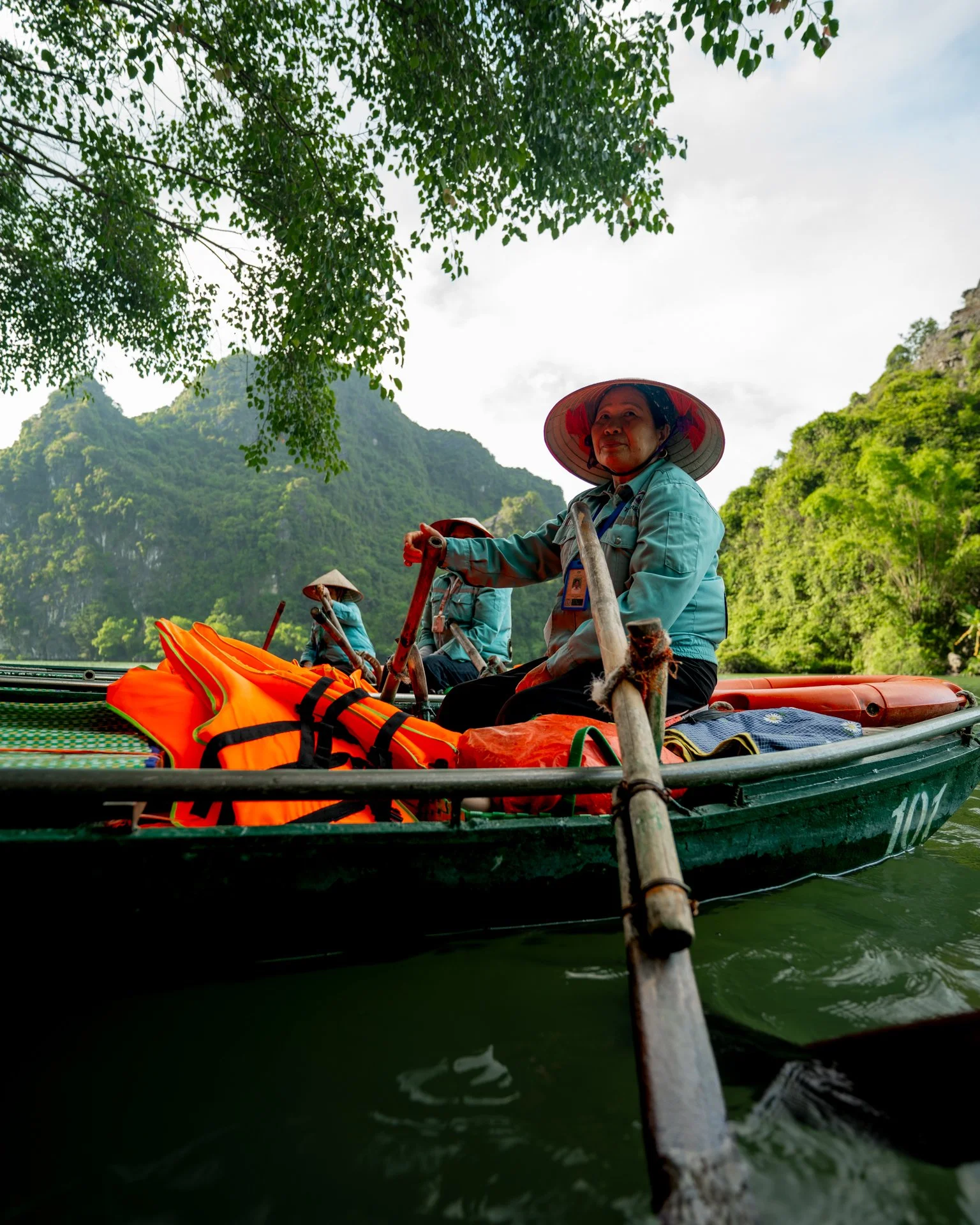
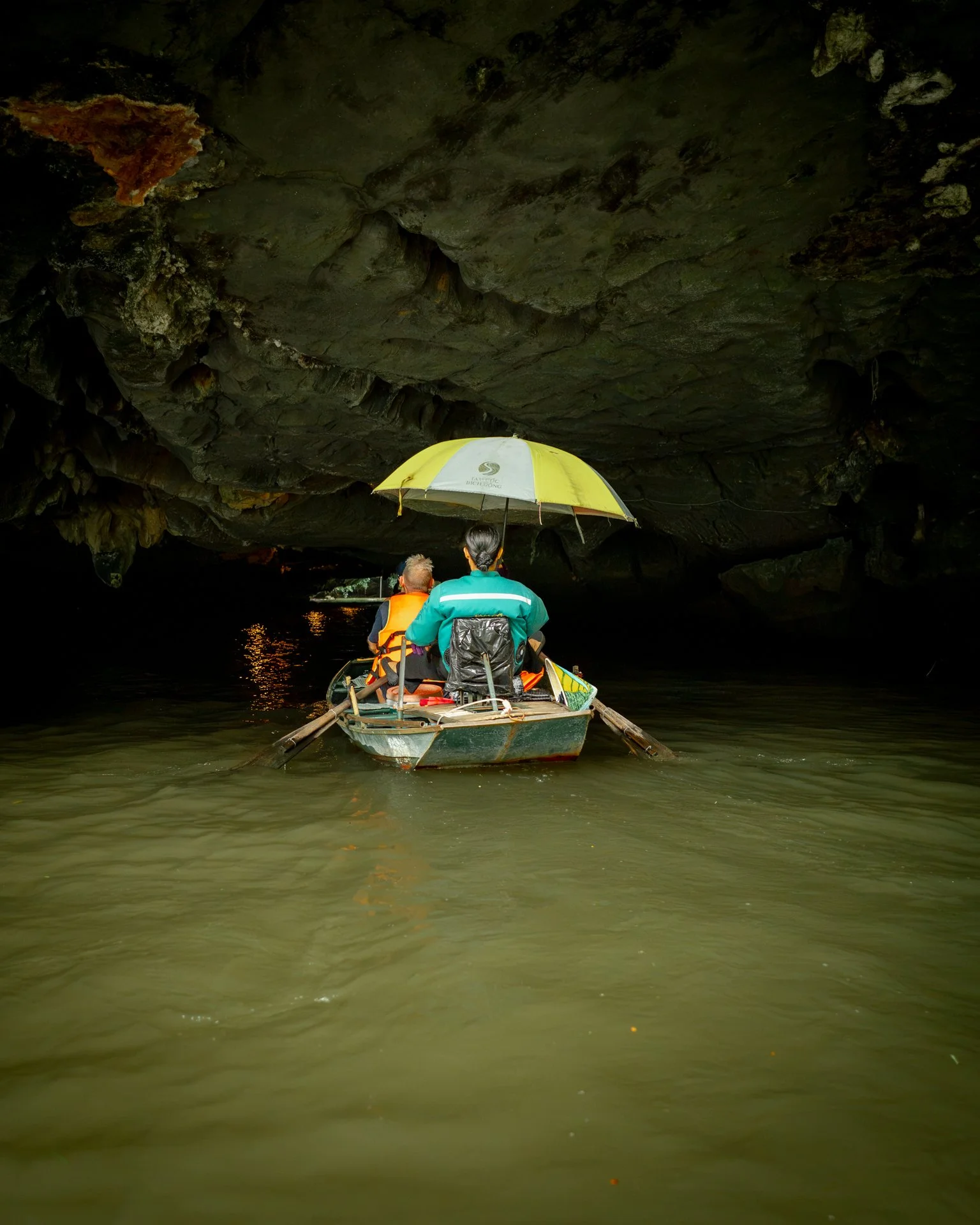
Start the morning at Bai Dinh Pagoda, Vietnam's largest Buddhist temple complex and one that needs at least two hours to explore even at pace. The sheer scale of it is impressive and slightly overwhelming in the best way. From there, head straight to the Trang An Boat Experience and take Route 3 for the longest cave passage. Route 2 is also good and the differences are subtle, but Route 3 passes through a cave that runs well over a kilometre, a unique and memorable stretch. The boat is hand-rowed by your guide the entire way, through karst gorges and flooded cave systems that open out into wide, reed-lined lagoons. It's unlike anything else on the itinerary. (300,000 VND per person regardless of route.)
For dinner, Chef Hien is a standout. Fresh roasted duck and bia hoi amongst a cast of Vietnamese local dishes and salads, set in a casual, local eatery environment. Go hungry!
Day 2: Pool Day & Tam Coc Boats at Dusk
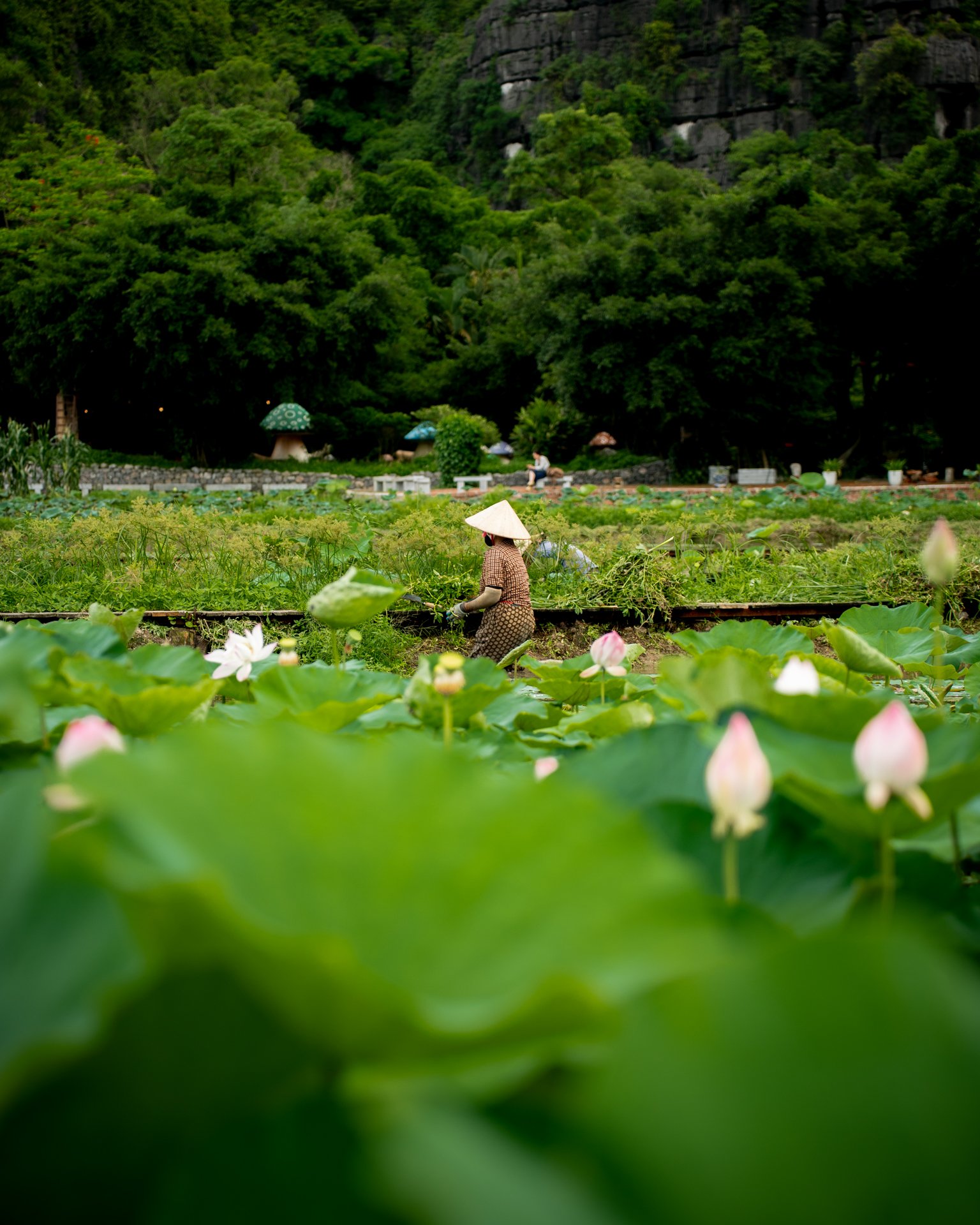
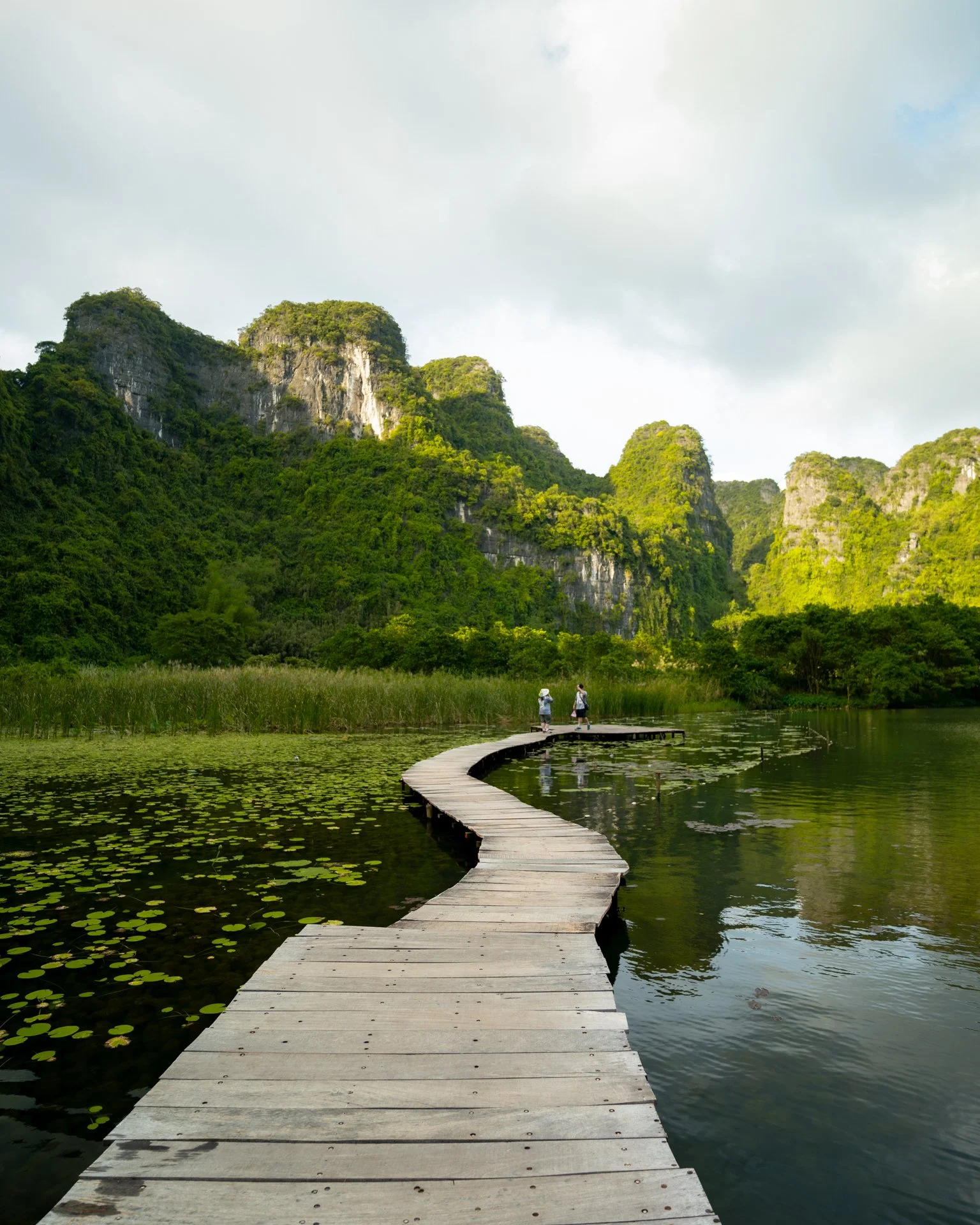
Ninh Binh's heat in summer is no joke. During the heatwave we hit on our trip, the smartest thing we did was have breakfast at Westside Restaurant by the lake, then spend the midday hours by the pool at the accommodation. Once the worst of the afternoon heat had lifted, we headed out for the Tam Coc Boat Experience (250,000 VND, about 75 minutes), which runs out along the river and back through a corridor of karst mountains and long reed banks.
If you only have time for one boat experience in Ninh Binh, make it Trang An. It's longer, more varied, and the loop format is more satisfying than the out-and-back Tam Coc route. But if you can fit both in, the comparison is interesting and Tam Coc at the right time of day has its own beauty.
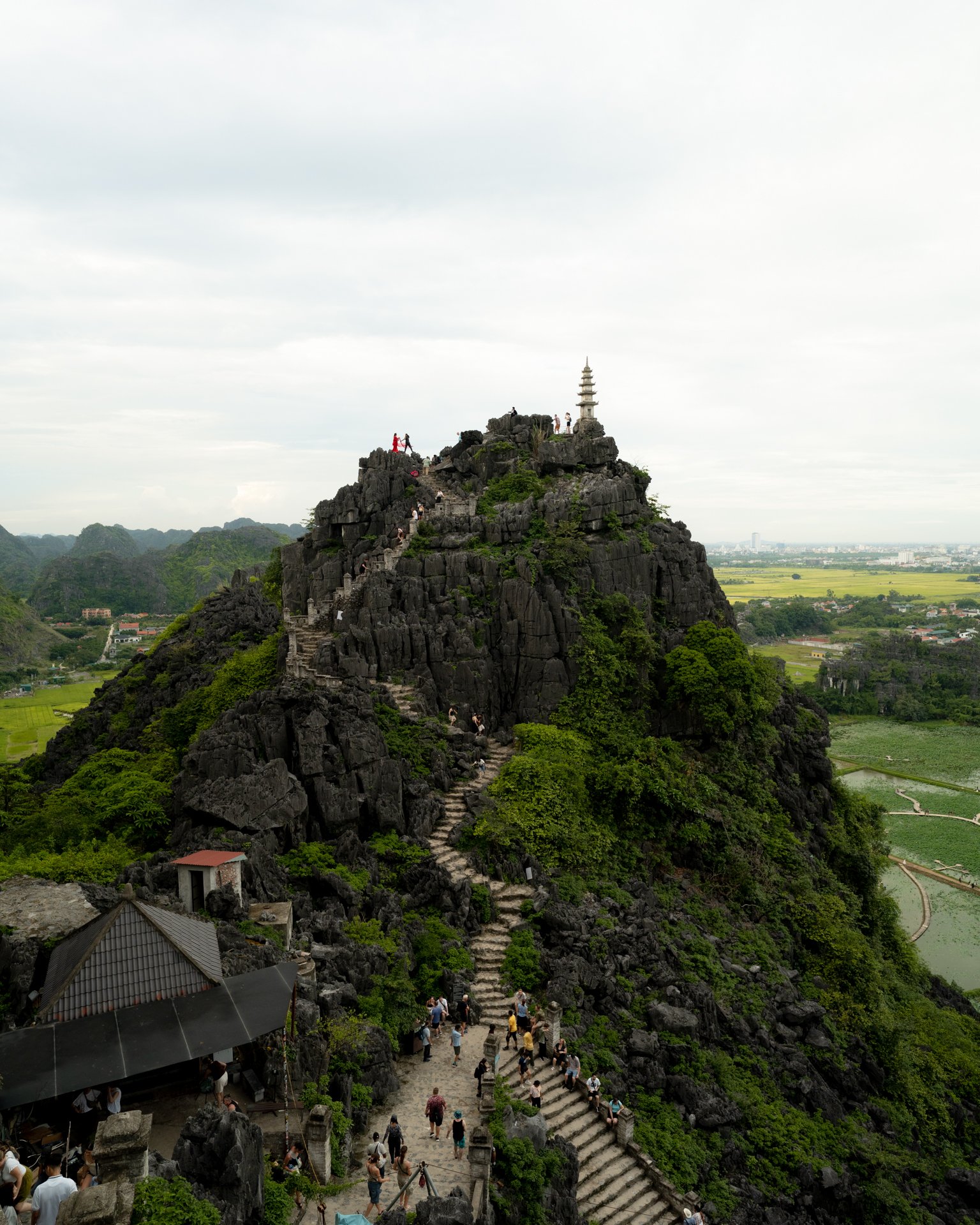
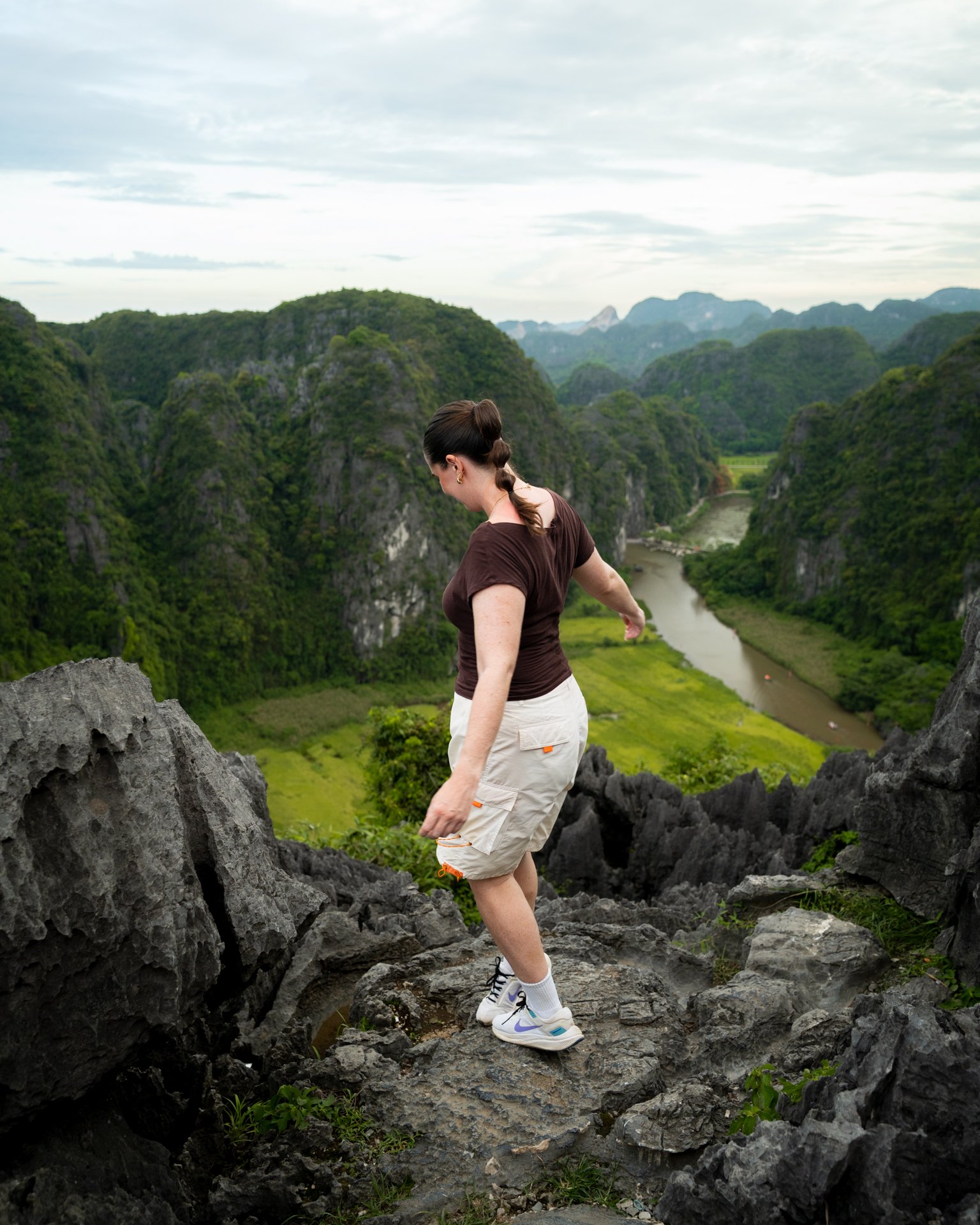
After the boat, climb Hang Mua Viewpoint. This is non-negotiable. The staircase is genuinely steep, with large, uneven and inconsistent steps. Take your time, watch your footing, and be especially careful in wet weather when the stone becomes very slippery. The climb is short but demanding. The view from the top, karst peaks spreading out in every direction across the Trang An landscape, is a highlight of this country’s beautiful north!
Da Nang: 3 nights
Accommodation Recommendations
Budget: Van Apartment, from $28 per night
Mid-range: Nesta Celia, from $130 per night
Luxury: M Hotel Da Nang, from $175 per night
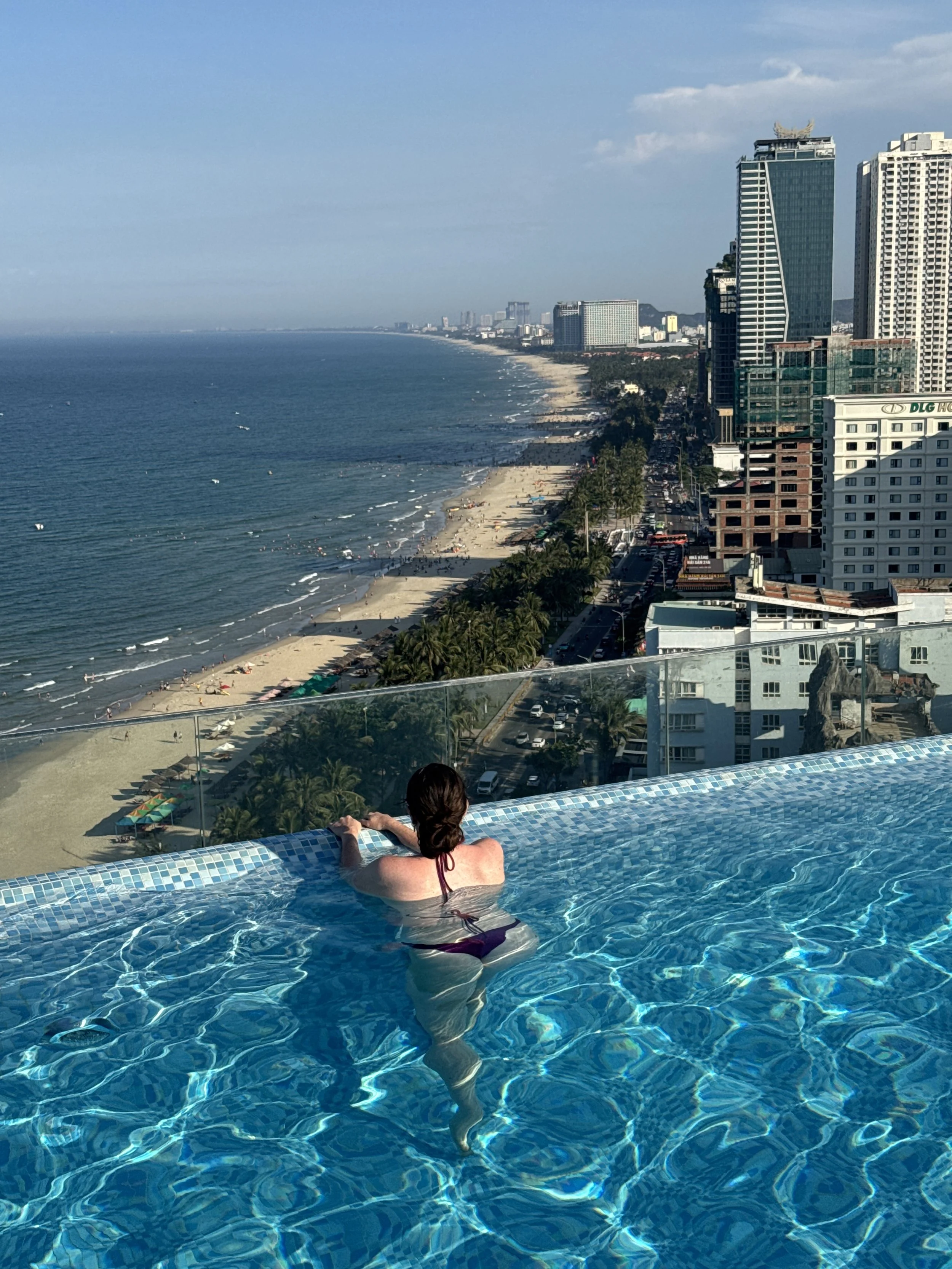
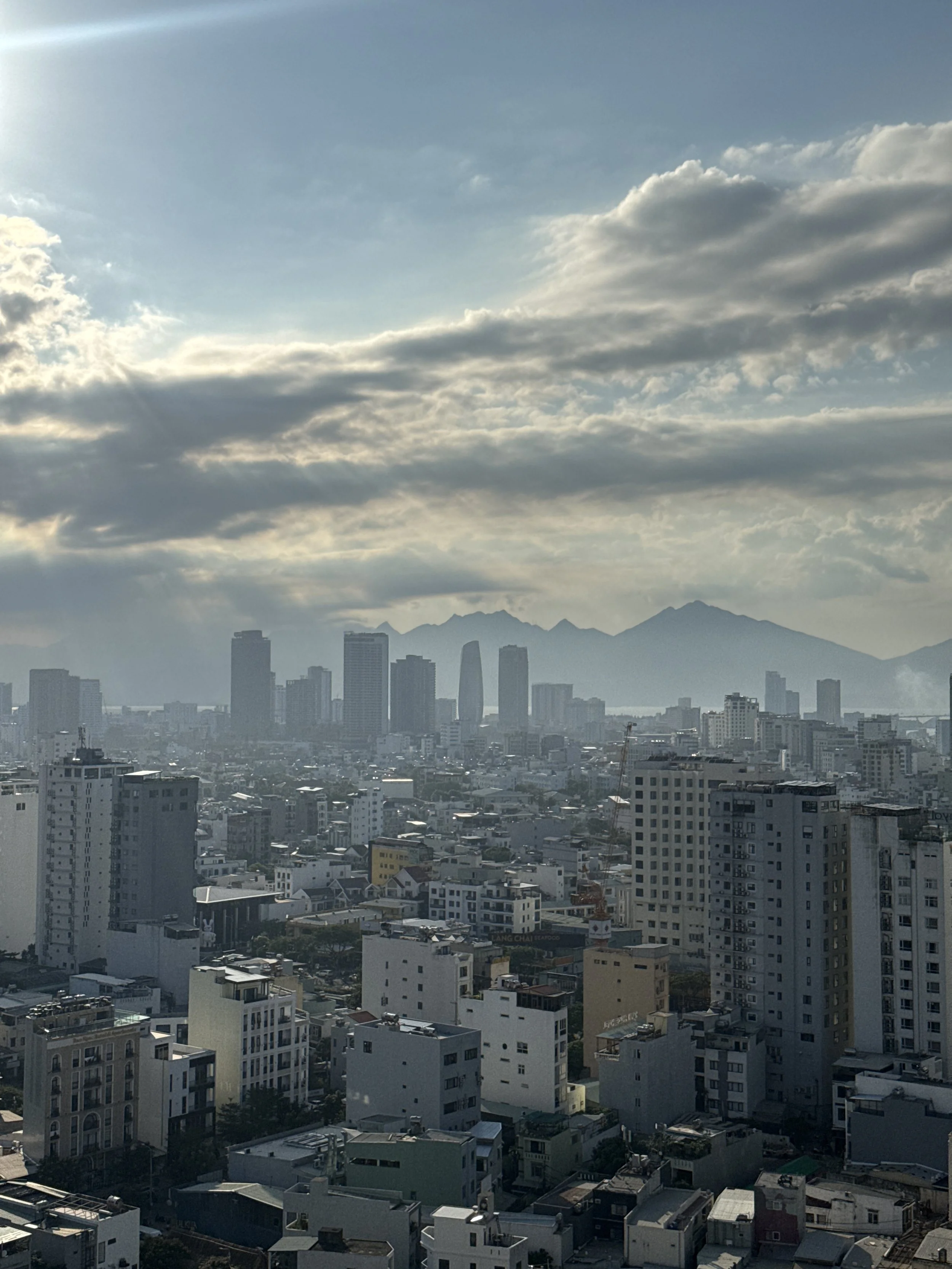
A transfer to Hanoi Airport and a one-hour flight south brings you to Da Nang, and the change of scenery is immediate. After the mountains, the mist and the ancient temple complexes, you're suddenly at what the Vietnamese like to dub, Miami of South East Asia. Having never been to Miami I can’t confirm or deny the similarities, however I’ll safely assume there are far more karaoke venues in Da Nang!
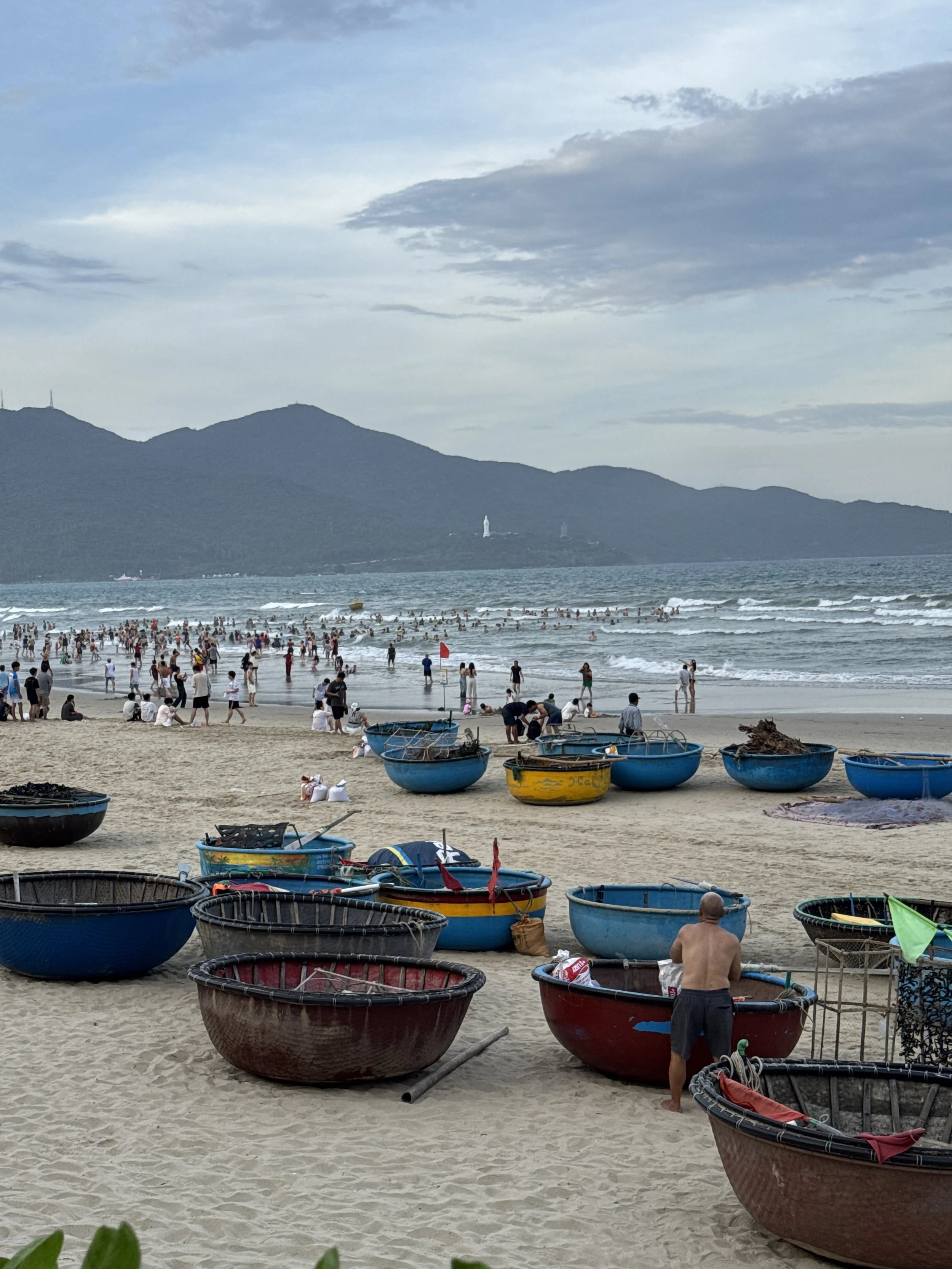
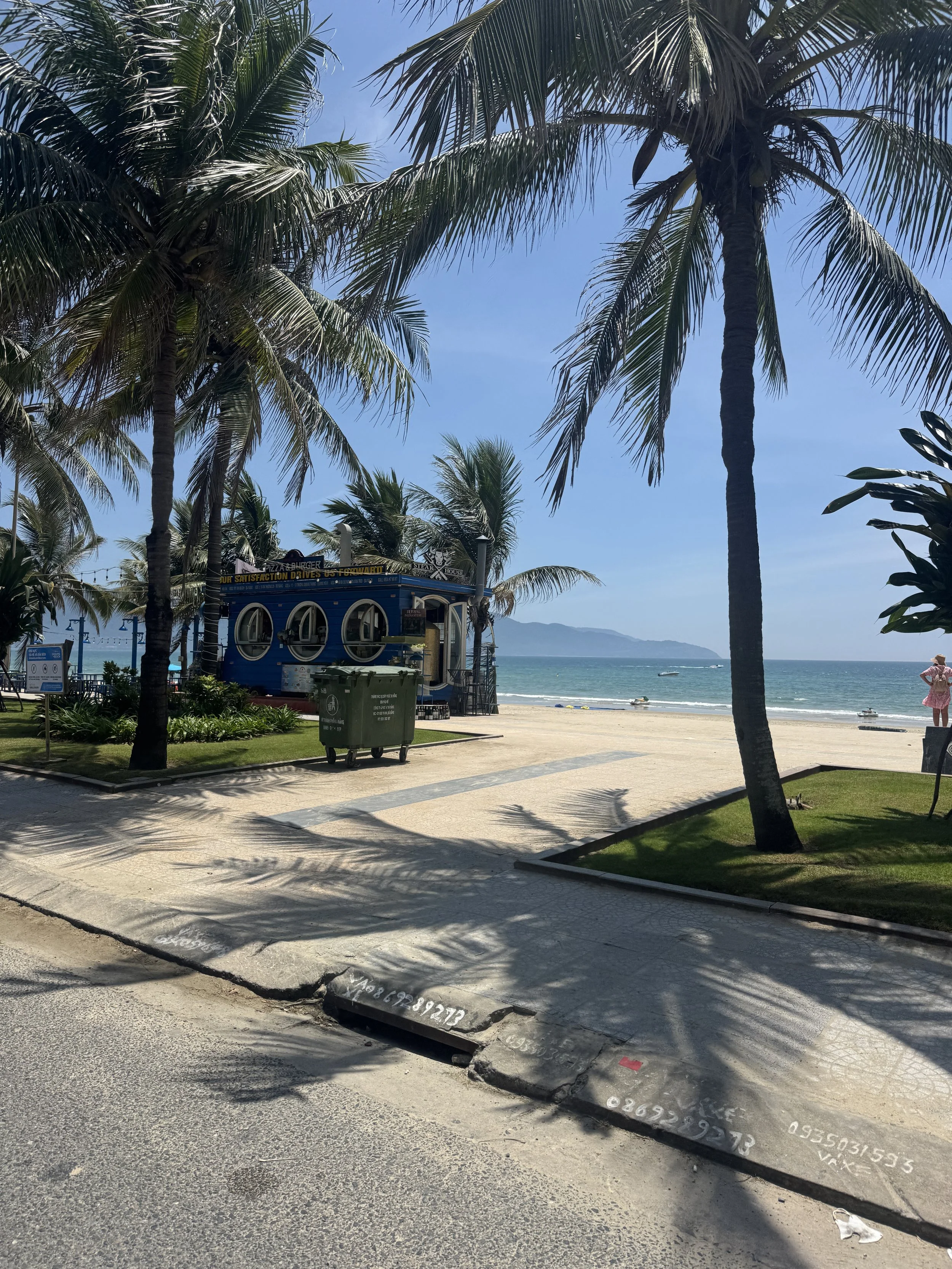
We stayed just north of the An Thuong area, which gives you beach access without being right in the tourist centre. My Khe Beach is right there and it's good, long and well-maintained, with public beach bars running at intervals the entire way up the beach offering affordable drinks and plenty of shaded sunbeds. Da Nang is the closest major city to Hue, so if a bowl of Bun Bo Hue for breakfast is on your list (it should be), this is your best opportunity outside of Hue itself.
Day 1: Arrive & East West Brewing
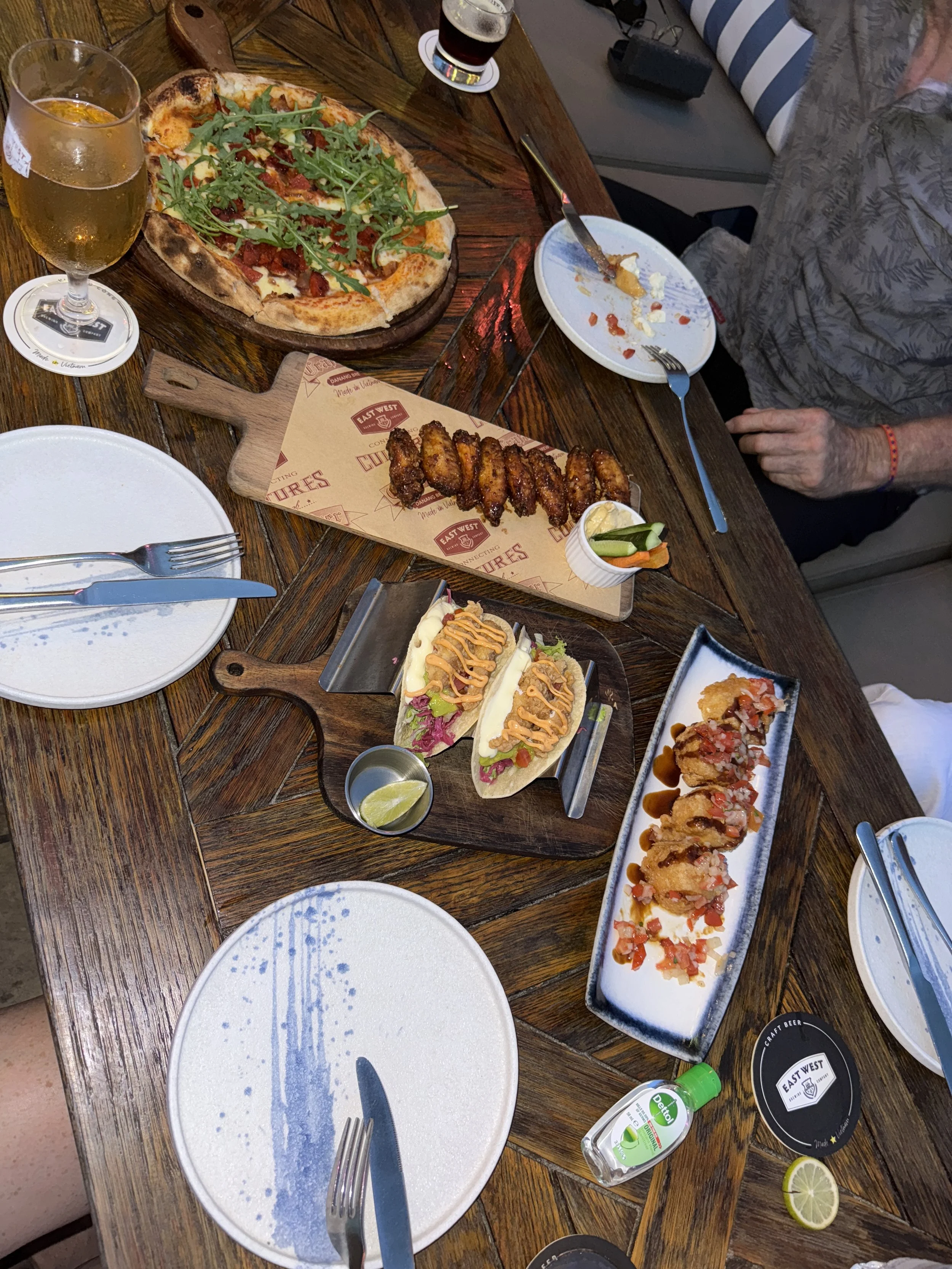
After arriving and getting settled, head for a beachside dinner and drinks at East West Brewing. Good craft beer, good food, great location. It's a solid first night in the city.
Day 2: Beach Day
A full day at My Khe. This is the point in the trip to recover from all those steamy days in temples and bustling cities
The public beach bars along the strip will set you up with a sunbed and cold drinks for a very reasonable price. There are plenty of mini marts and restaurants lining the entire beachfront Vo Nguyen Giap street, so delicious food is not far when you start to get hungry.
For dinner, head into the An Thuong area for your pick of Vietnamese or western meals at seriously quality restaurants. Bikini Bottom Express, Miss Steak, Bep Cuon and Gordons Pizza and Bagels are all good choices.
Day 3: Archery, Massage & The Dragon Bridge
CEN Archery Cafe is more fun than it has any right to be, around 100k VND per person for archery with a drink order on the side. A good, off-beat morning activity.
Follow it with a massage at KOP Spa, before heading to the Dragon Bridge at 9pm for the weekend fire and water show. The bridge breathes fire and shoots water from the dragon's mouth on Saturday and Sunday nights. It draws a crowd but I’d say it’s only worth seeing once, max.
Day 4: Sports, BBQ & Beach
An early morning swim to start. Then Aussie Bistro for sports and a proper feed if you're missing a screen with a game on it. Alternatively, head into the city and visit the Han Market. This massive market covers the full spectrum of household goods, produce, and souvenirs and can keep you busy for an hour.
End the Da Nang stretch with a BBQ dinner at Dirty Fingers. This place was a highlight of the whole central coast leg and we will absolutely be back.

Hoi An & An Bang Beach: 6 nights
Accommodation Recommendations
Hoi An Old Town
Budget: Hoi An Hai Au Hotel, from $25 per night
Mid-range: Almanity Hoi An, from $90 per night
Luxury: Anantara Hoi An, from $300 per night
An Bang
Budget: La Alba An Bang, from $30 per night
Mid-range: CHiEM Hoi An Beachside Boutique, from $85 per night
Luxury: AIRA Boutique, from $130 per night
Note: If you've got any flexibility in how you structure this final stretch, just stay at An Bang Beach for the whole six nights. The Hoi An Old Town is beautiful and absolutely worth visiting, but it's a 10-minute Grab ride from An Bang. You can do it as a day trip or evening trip as many times as you like without needing to base yourself in the middle of it. An Bang is more walkable, has genuinely excellent food options, better beach access and a much more relaxed atmosphere. The Old Town in peak summer heat is really difficult. It's a place designed for wandering, and wandering becomes painful when it's 37 degrees and humidity is maxed out.
We'd also flag timing here: if you can avoid the June to August window for this leg of the trip, do. Central Vietnam in summer is hot in a way that limits what you can comfortably do outdoors. The sweet spot is February to April as discussed at the top of this blog!
Hoi An Old Town
The Hoi An Old Town is a UNESCO World Heritage Site and one of the most beautiful trading ports in Southeast Asia. The narrow streets, yellow-washed houses and lantern-lit riverside are iconic for a reason. The best time to be in it is early morning or after 5pm when the heat drops and the lanterns come on.
Don't miss the Hoi A Memories Show, a large-scale outdoor performance that recreates the cultural history of the ancient town. It's worth booking ahead. The Hoi A Market is worth a wander with a cute night market, and My Son Sanctuary, the Cham temple complex about 40 kilometres west of town, is spectacular but go with a guide. The site is remarkable but hard to contextualise without someone to explain what the Cham civilisation even is and what you're looking at.
For food in and around the old town, don't miss: Com Linh for a classic Vietnamese meal, Orivy for some more local cuisine, Bikini Bottom for the best smash burgers this side of the Pacific, and Hoianian for more upmarket riverside dining with a view.
An Bang Beach
An Bang is where you decompress. Days here have a simple and excellent structure: beach in the morning, lunch somewhere good, a nap, repeat. And honestly, you could do a full week of this without complaint after the pace of the north.
Hattricks Irish Sports Bar is the go-to for a screen and a cold beer. Casa Loco does solid mexican food in a relaxed setting. On Tuesday and Saturday nights there's salsa dancing classes at La Riva, one of our favourite Italian restaurants in Hoi An, which is a genuinely fun way to spend an evening even if you're a hopeless dancer. And for a sunset seafood dinner with arguably the best views on the beach strip, Phuong's Beach Restaurant is not to be missed.
A note for anyone visiting post-2025: An Bang's beach is currently undergoing restoration following significant erosion in the 2025 floods. The recovery is ongoing, but the beach and its restaurants are open and worth visiting.
What we'd change
Avoid summer if you can. Central Vietnam and the north are both genuinely difficult in the June to August heat. You'll spend more time than you'd like sheltering in cafes and less time than you'd planned exploring on foot. The cafes are great, but you don't fly to Vietnam to sit in one for three hours a day.
Skip the Bai Chay overnight in Ha Long. Transfer directly from wherever you are to your Ha Long cruise departure. The night in Ha Long City added nothing to the trip and subtracted a night somewhere better.
Base yourself at An Bang for the full Hoi An stretch. The Old Town is a 10-minute ride away whenever you want it. There's no reason to be in the middle of it in summer.
Explore more of the northwest. After Sapa, heading through Moc Chau and Yen Bai before looping back to Hanoi would have been an incredible extension, covering some of Vietnam's most beautiful highland scenery, cooler temperatures and far fewer tourists. If your itinerary and physical fitness allow, it's worth serious consideration as an addition to this route.
That’s It!
Three weeks in one extraordinary country. Vietnam's north and centre reward slow travel and curious instincts. The best moments tend to come from the detours, the second breakfasts and the spots that weren't in any plan. We hope this gives you a solid foundation to build your own version from.
If you've made it down here, thank you so much for reading! Leave a comment or send us an email or Instagram DM if you want any more info.
