10 day Kyrgyzstan Itinerary, Ala-Kul trek, Song-Kul lake and Bishkek!
Posted April, 2026
Disclaimer: We only recommend products & services we know and trust and all opinions are our own. This post may contain affiliate links that at no additional cost to you, may earn us a commission.
Kyrgyzstan isn’t a relatively massive country, but its landscape makes every second an adventure. Travelling a few hundred kilometres can take days depending on your route and mode of transport. Despite that, this rugged and spectacularly beautiful country is a true must-visit, and here’s how you can experience the very best of this special place in just 10 days!
If you’re visiting for just 10 days, make sure you go in the summer months of July till August to ensure maximum accessibility to the most popular and most spectacular treks.
Before we begin...
If you want absolutely every piece of information you need to plan the best possible trip to Kyrgyzstan, including detailed information on marshrutka routes, trekking maps, multiple itinerary options and our entire Google Maps pin list from our time in Kyrgyzstan with ATM locations, trek start locations, restaurants we ate at and accommodation recommendations, check out our…
Complete Kyrgyzstan Travel Guide here.
Getting there
If your short on time for your trip to Kyrgyzstan, or squeezing it in on a longer overall trip, the most comfortable option to reach the country is by flying directly to Bishkek’s Manas International Airport (BSZ).
Alternatively, if coming from neighbouring countries, bus services exist between Bishkek and Almaty as well as Tashkent, however these can be very time consuming with the Tashkent bus taking almost a full day. Flying is definitely recommended to save time.
Getting around
For a 10 day trip, your best option is to rent a car upon arrival in Bishkek. This will allow you to hit the road immediately and make the most of your time without waiting around for busses, shared taxis or hitchhiking. While these are all very effective means of getting around the country, they are a huge time sink and could potentially add extra days on to your itinerary should their be any kind of disruption to the very informal public transport that exists in Kyrgyzstan.
Car rentals are very popular in Kyrgyzstan during summer, try to make a booking with a reputable rental agency as far in advance as possible to secure a decent vehicle at a reasonable price for the duration of your trip in Kyrgyzstan.
If renting a car, it’s important that you try to get something 4WD capable, as the roads to trekking areas are often unsealed for long distances.
Camping equipment
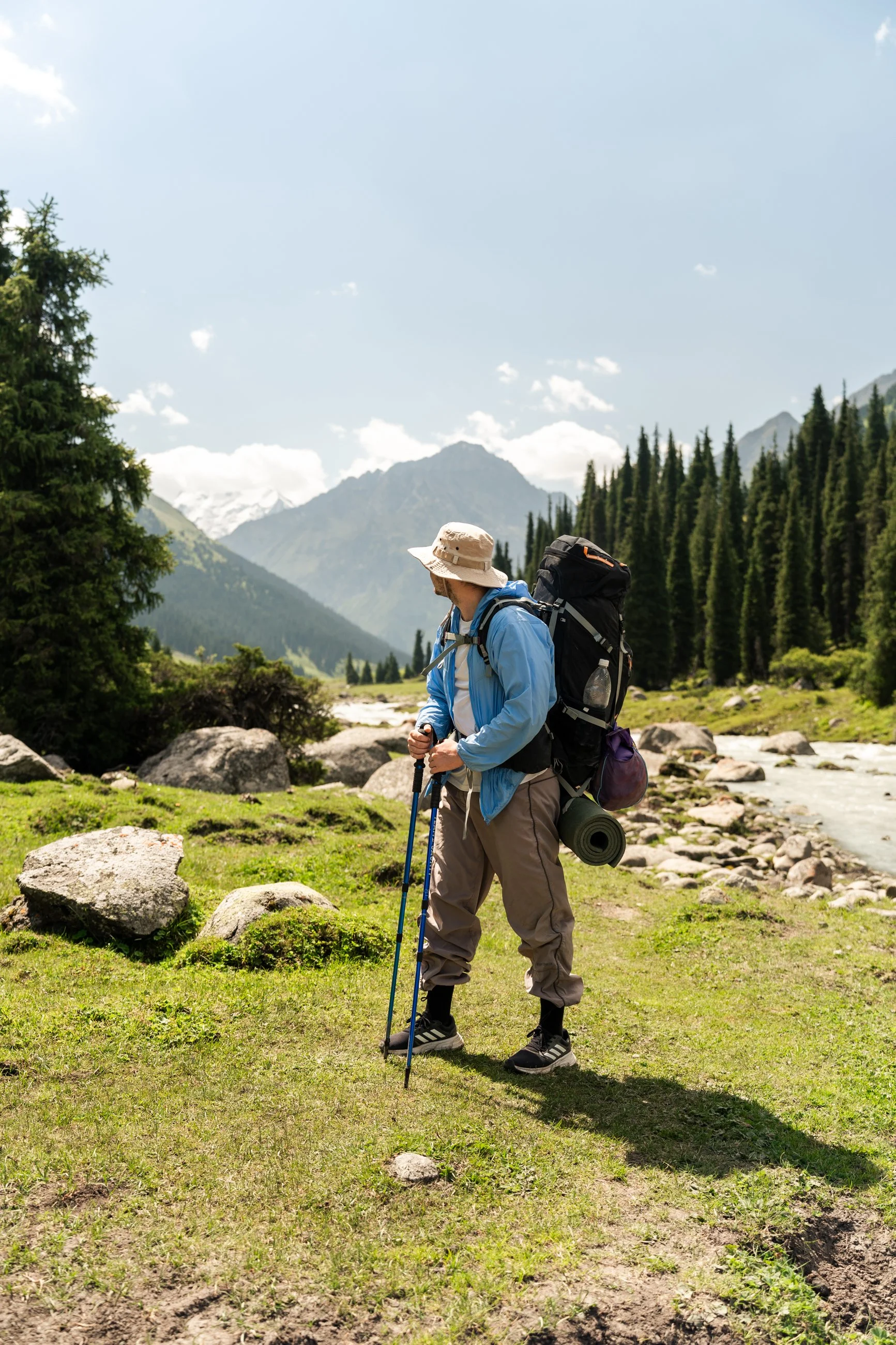
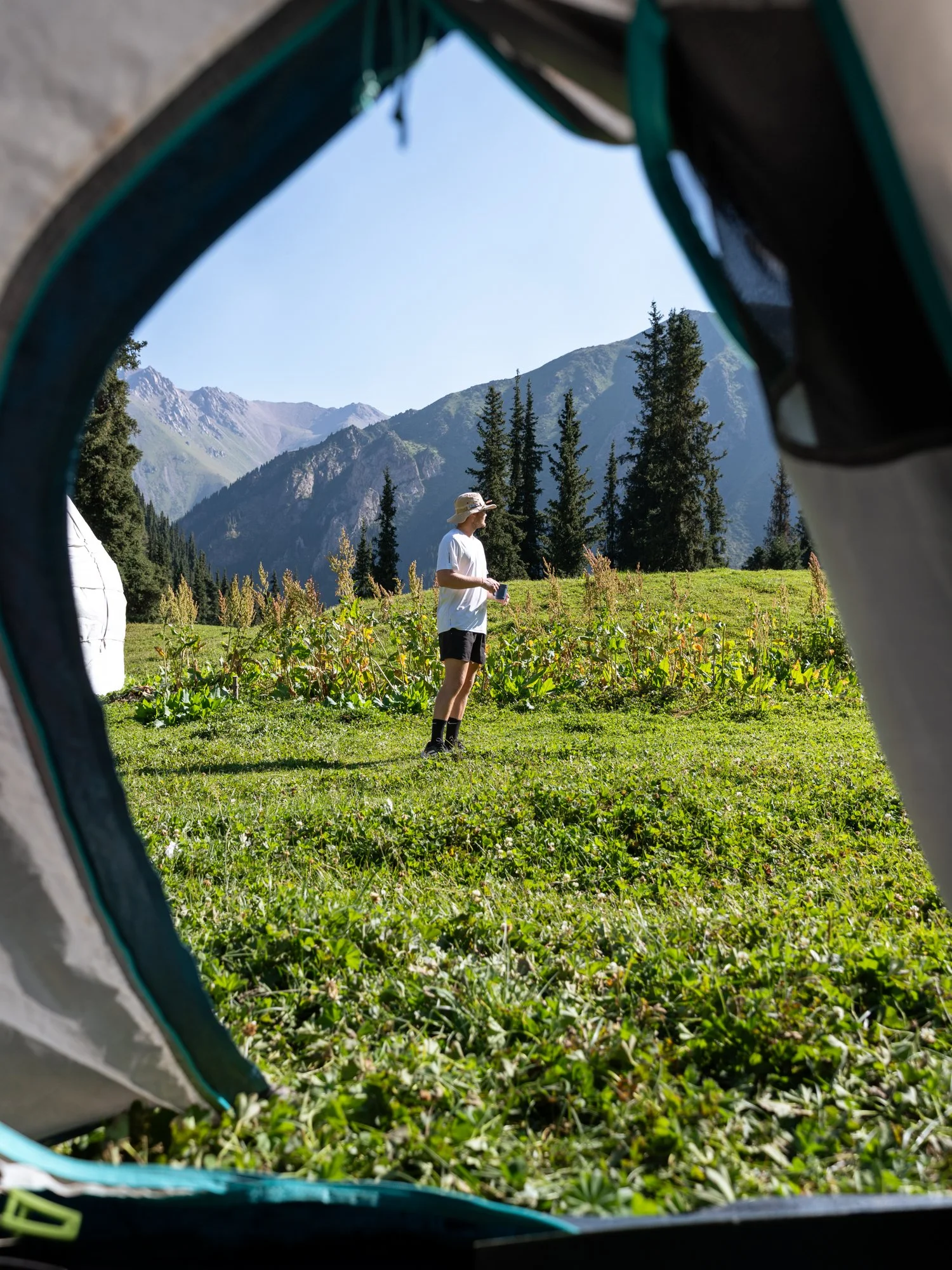
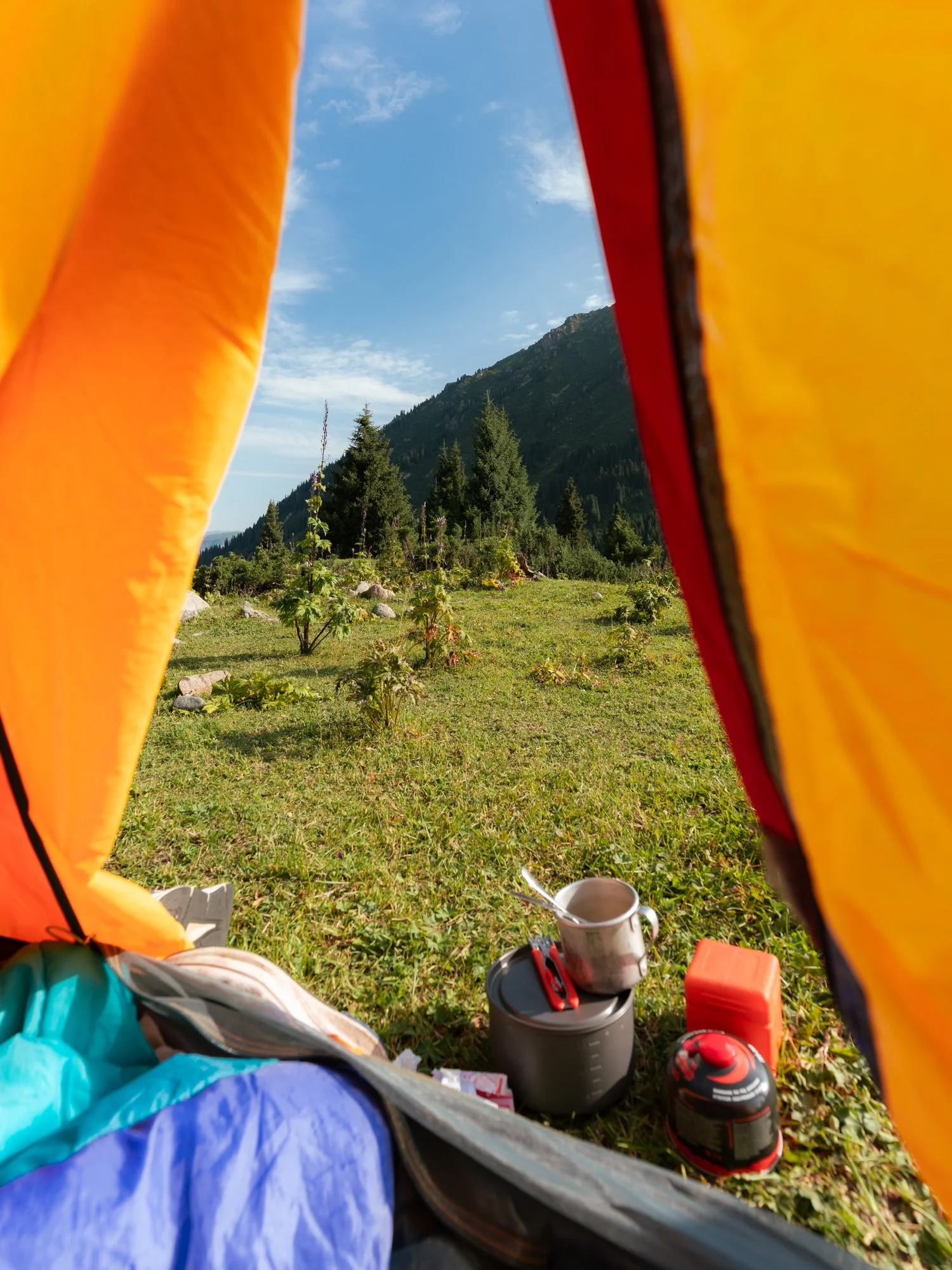
If you only plan to visit Karakol for the Ala Kul trek, an overnight trek in Jyrgalan and Song Kul, it is not necessary to bring your own camping equipment as rental gear is available, or yurt camps will provide you with a bed in a yurt and meals. However the quality of the rental camping equipment is poor. Your best option is to BYO. If you can, bring just your trekking kit to Kyrgyzstan with a lightweight trekking backpack, your own tent, sleeping bag, camping stove and cooking equipment.
Itinerary
Day 0: Arrive to Bishkek
Accommodation recommendations
Budget: Freelander Work and Travel Hostel, from $30 per night
Mid-range: City Hotel Bishkek, from $90 per night
Luxury: Orion Hotel Bishkek, from $180 per night
Welcome to the largest city in Kyrgyzstan! Bishkek is located in the far north of Kyrgyzstan and tomorrow you’ll have a six to eight hour drive, so head to your accommodation, refresh, then explore the city before tomorrow’s big drive.
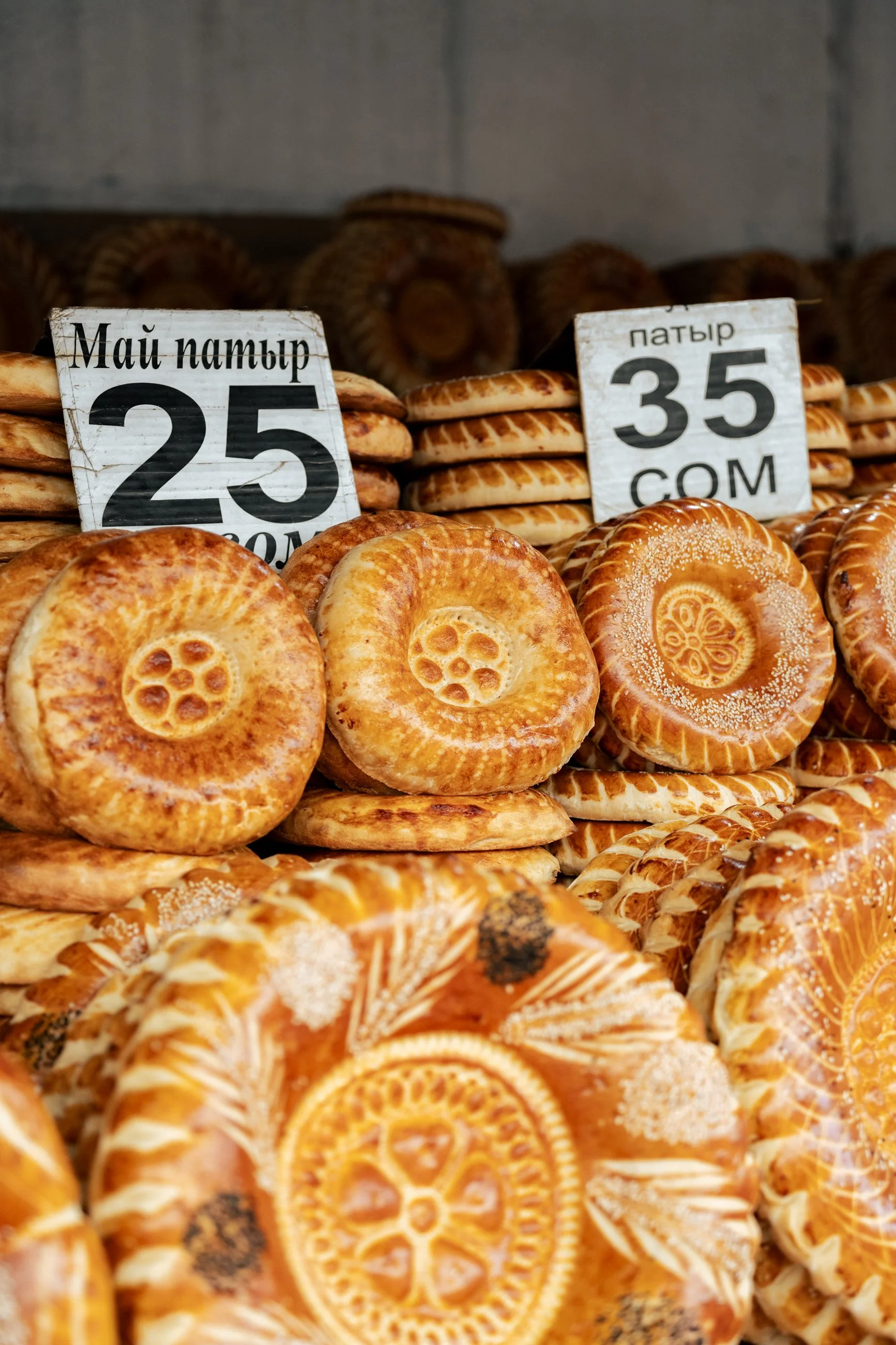
While in Bishkek, we’d recommend visiting a Navat location to try some Kyrgyz cuisine. This chain serves up a wide range of typical Kyrgyz food with very good quality, some staples are Laghman, Plov and the national dish, Beshbarmak. You’re probably already aware if you’ve done any research at all about Central Asia, but horse meat is a common protein here, and while usually clearly labelled at restaurants, if you see an item containing ‘meat’, you should know it could be any of lamb, beef or horse.
Bishkek is a quickly modernising city, here you’ll find modern shopping malls, leafy urban districts and even trendy bars and nightlife venues to enjoy on your first night in the country, however keep in mind that traffic can be intense even late into the evening. Uber also doesn’t operate in Kyrgyzstan so you’ll need to download and set up the Yandex Taxi app. In Kyrgyzstan, they do not accept foreign credit or debit cards on the app so make sure you have enough cash for your ride home if you’re taking taxis.
Day 1: Hitting the road
Grab breakfast at your accommodation or at one of Bishkek’s incredible cafes then set off for Karakol and your first taste of Kyrgyzstans incredible environment. The earlier you can hit the road the better, as traffic builds up over the day and roadworks will slow down your journey no matter which route you take.
I recommend going south at Balykchy, the road is better maintained and more direct to reach Karakol. Stop to eat in either Balykchy or Bokonbayevo.
Along this route you’ll pass a few spectacular places, but it’s best not to detour to them, you’ll stop at them on the way to the next destination!
Arrive to your accommodation in Karakol and head for dinner along the towns main road, Jusaev Street. You’ll find many local restaurants in the area around the supermarkets.
Karakol accommodation recommendations
Budget: Duet Hostel, from $10 per night
Mid-range: Ordo Hotel, from $70 per night
Luxury: Karagat Hotel, from $320 per night
Day 2: Ala-Kul Lake Trek begins!
You’ll want to get another early start for the Ala Kul lake trek. Just how early depends on if you plan on walking from the entrance gate, getting a 4WD taxi a few kilometres past the gate or booking a seat on the GAZ 4WD truck to the start of the steep ascent up the side valley towards the first camp.
Note that this is a one way hike and as such, you should not plan to leave a rented vehicle at any of these points for the trek.
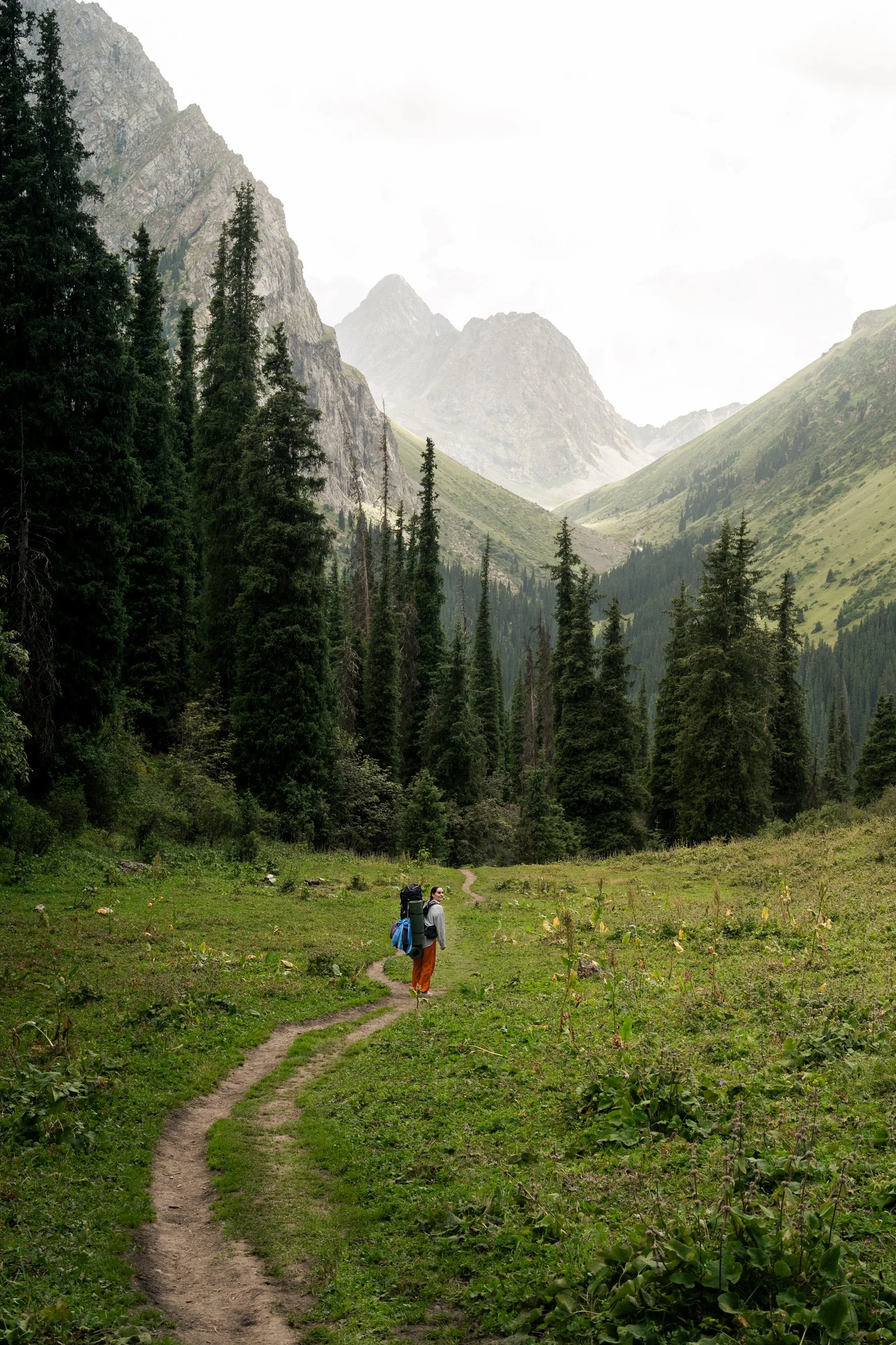
The first day of trekking will have you sleep at the Sirota Camp area, there is both free camping areas and several yurt camps here. Booking in advance is not necessary.
Day 3: Ala-Kul Lake basin, the pass and Altyn-Arashan
It’s becoming a trend, but an early start today is mandatory if you don’t want to be walking through bear country in the dark.
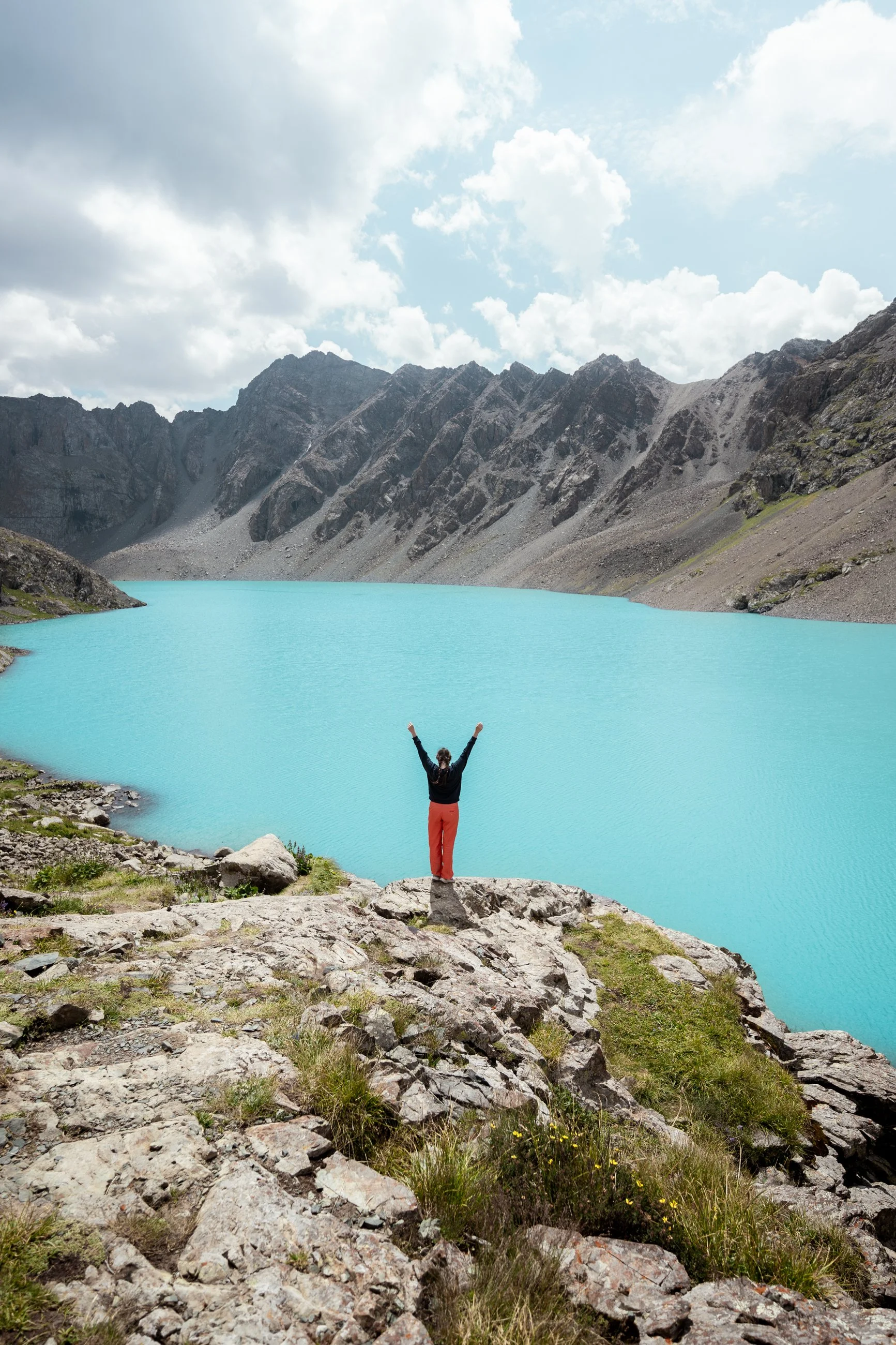
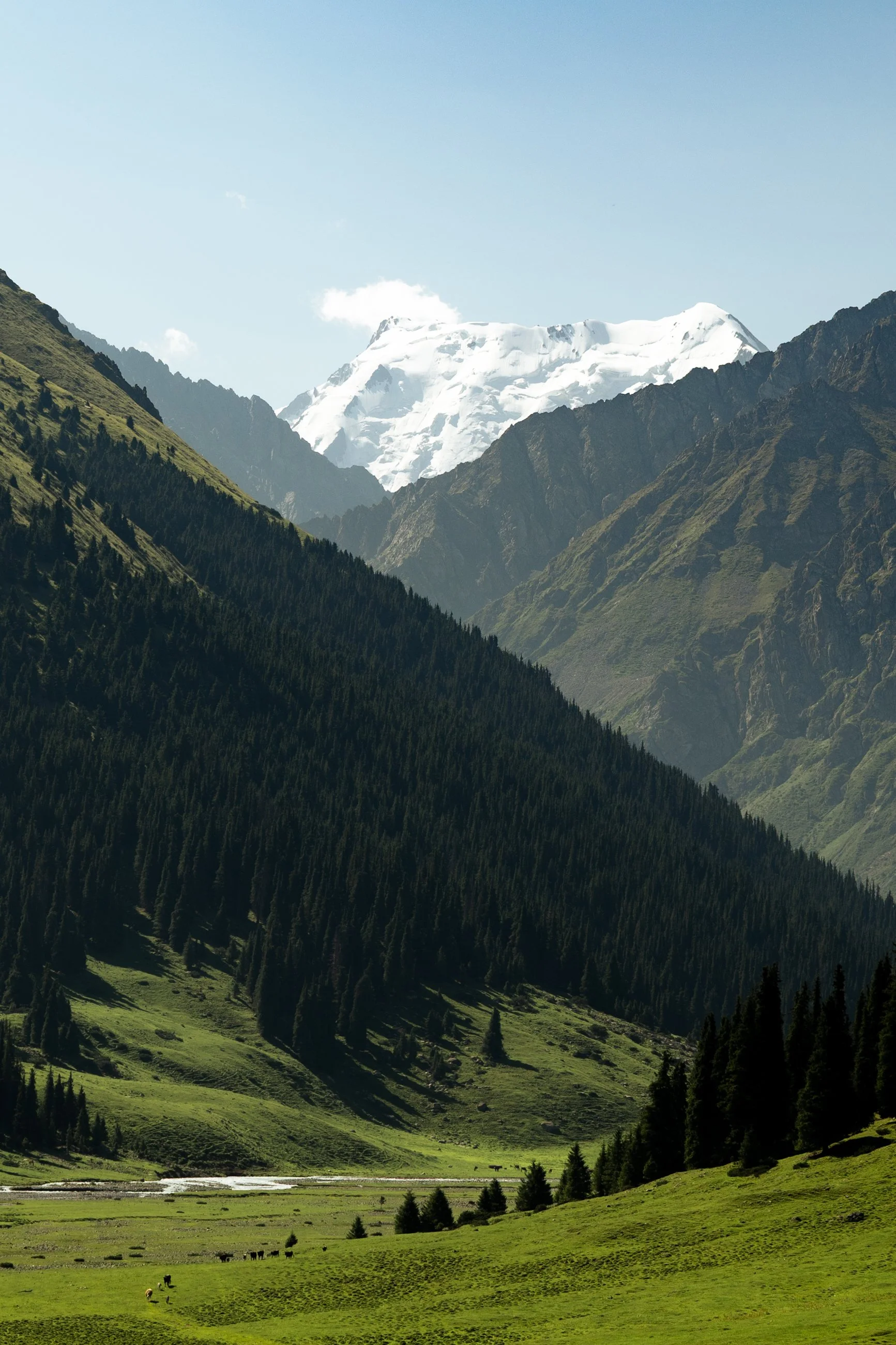
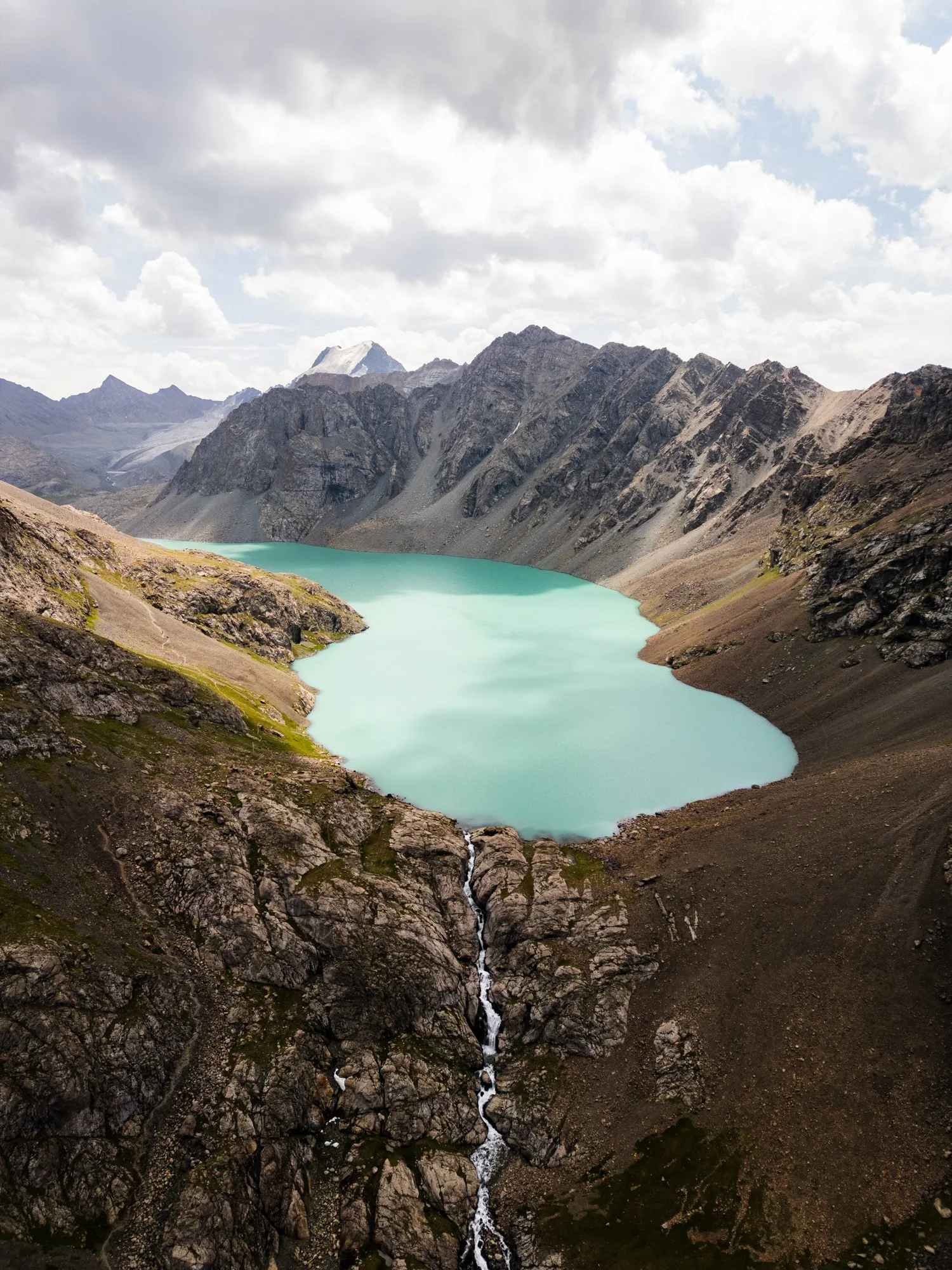
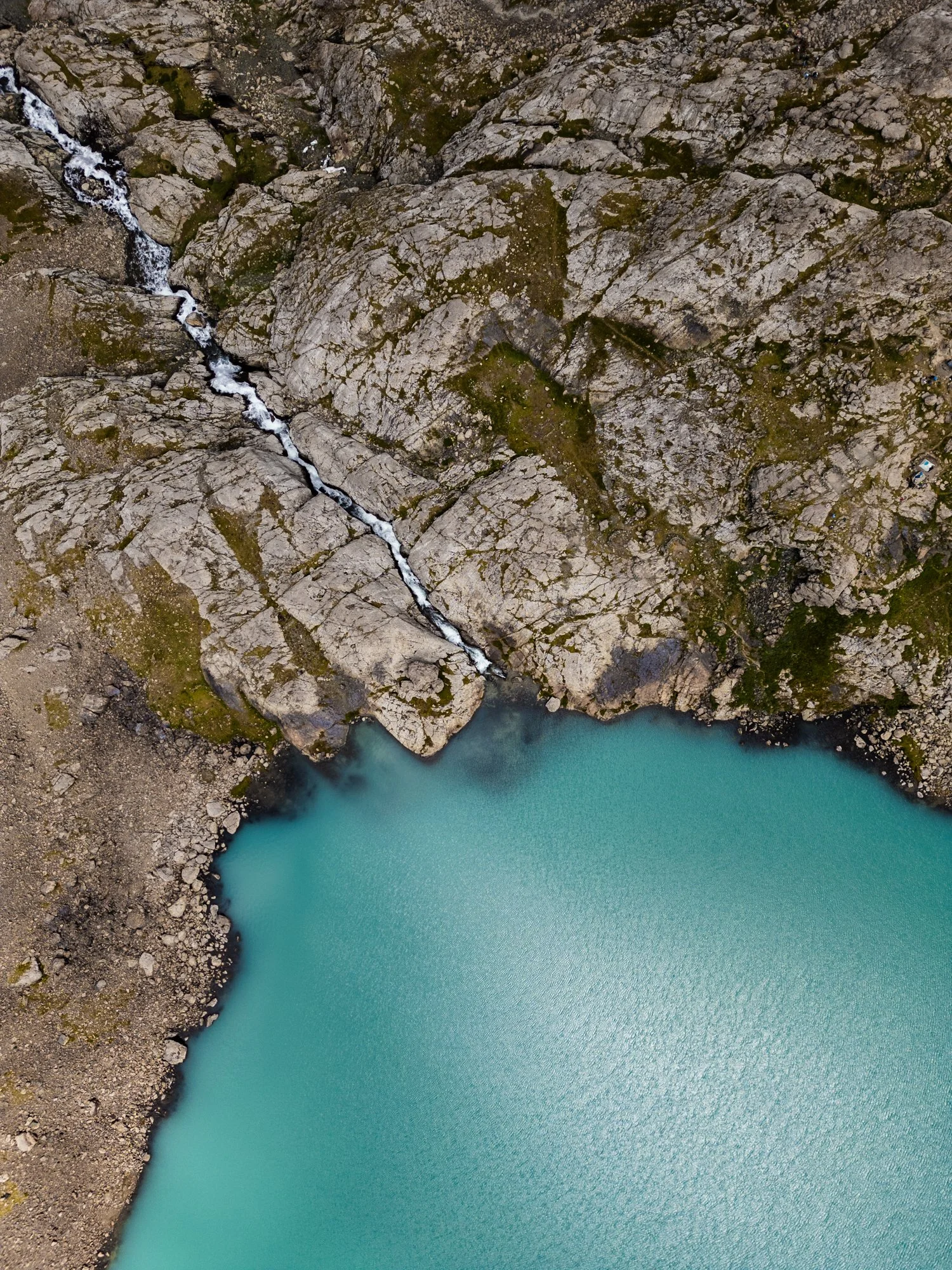
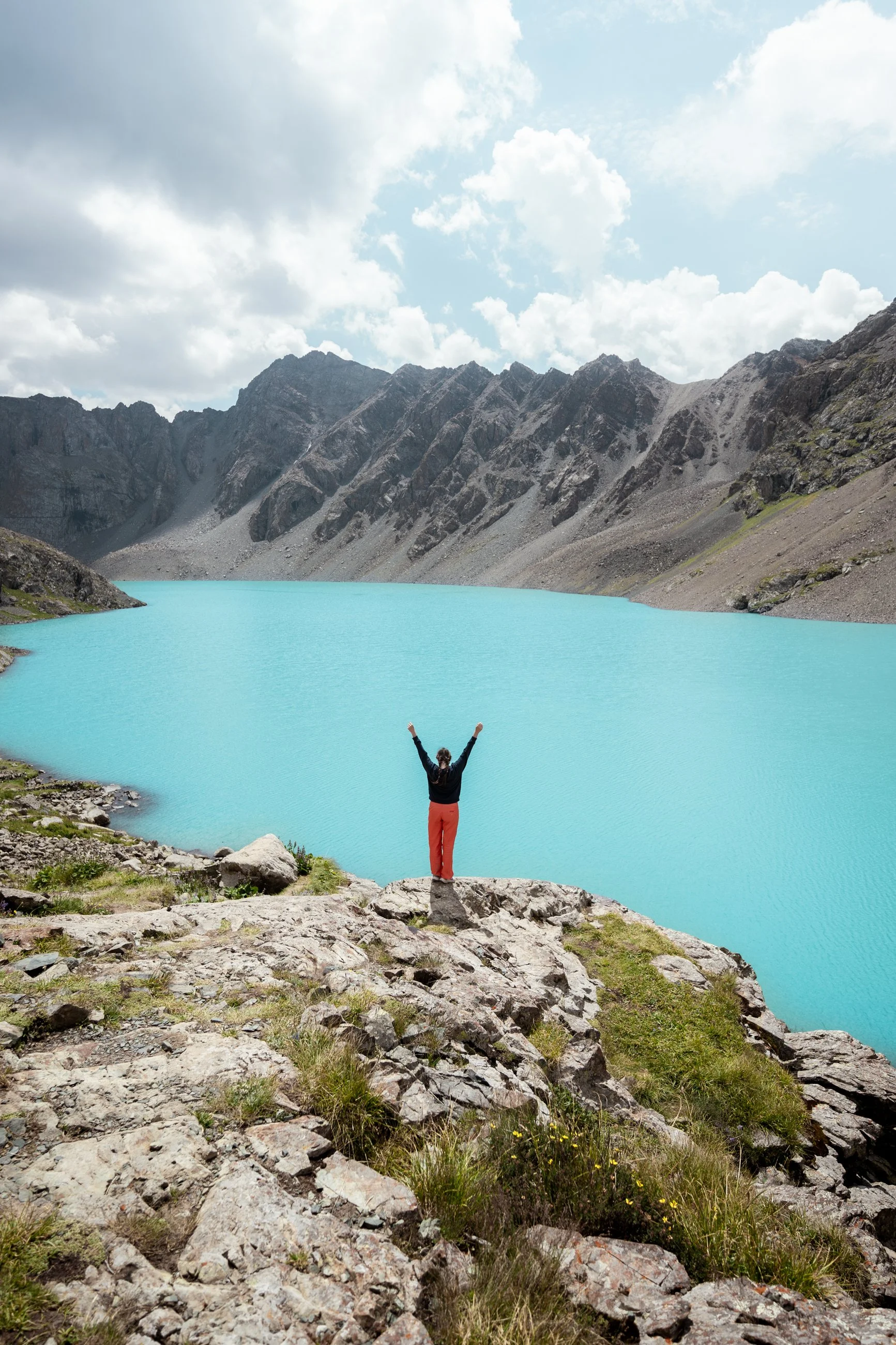
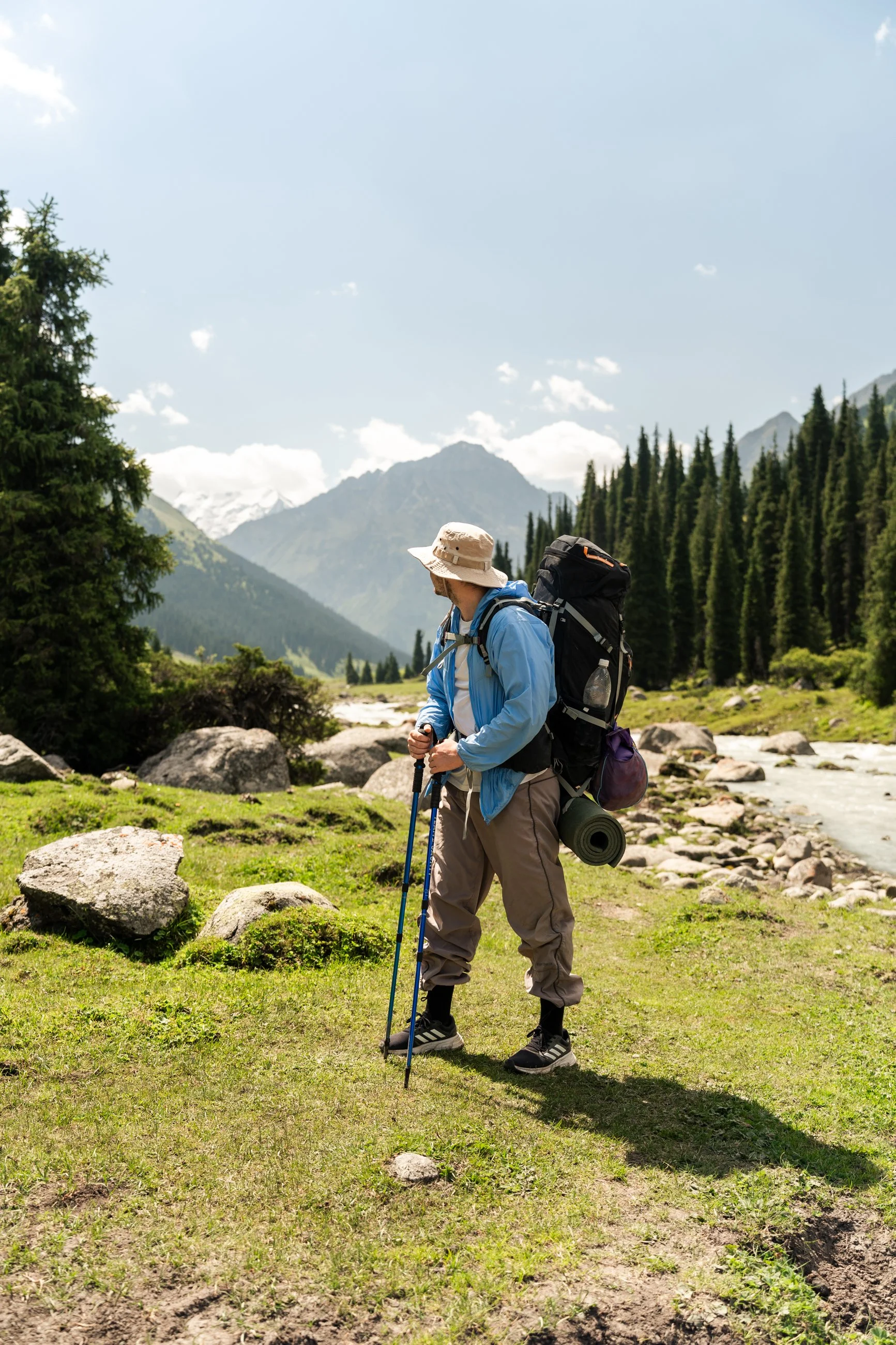
From Sirota camp you will begin the steep climb to the lake. This will take a few hours depending on fitness and any necessary breaks. Once you’ve made it, enjoy the amazing views of this incredible alpine lake and the glacier that feeds it, before beginning the next section along the lake towards the pass.
This place is breathtaking, and scale is hard to understand when standing on the vantage points overlooking the lake. Take a seat, catch your breath, have some snacks and really soak in what you’re looking at!
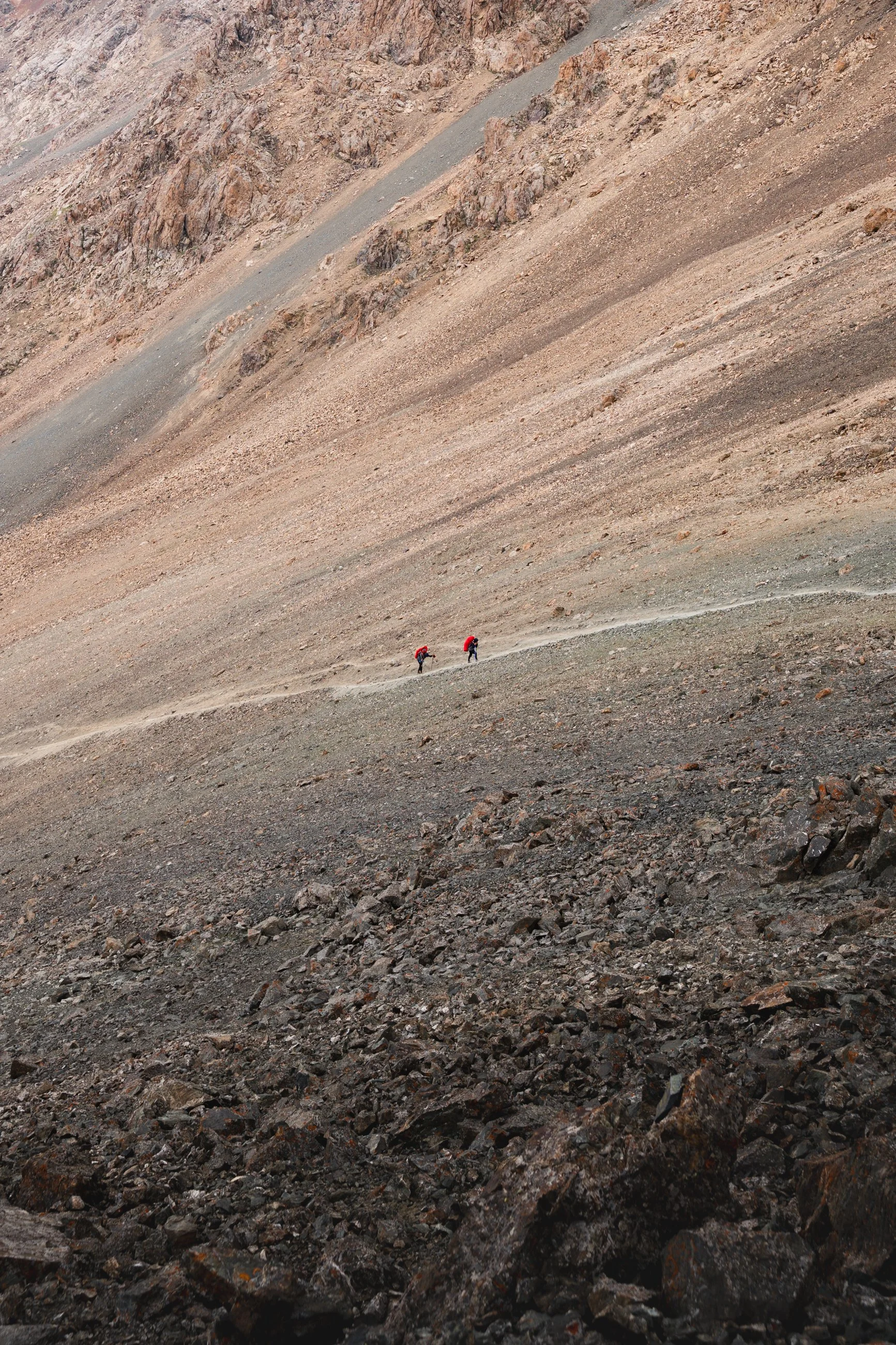
Expect loose sand and gravel the entire way from when you first see the lake till you make it to the first camp on the other side of the pass. Take a moment to enjoy the 360 degree views from the top of the pass. From here you can see the entire Ala Kul lake, multiple glaciers and mountain peaks far into the horizon. The toughest part of the trek definitely delivers the most spectacular views.
Once down from the pass, you will begin to descend the side valley, finally meeting up with the Altyn-Arashan valley after a steep final descent. You will need to cross at least two rivers to make it to the Altyn-Arashan camp area.
If you are more than 3km away from Altyn-Arashan by the time the sun has dropped behind the mountains, stop and camp at any of the yurt camps along the route.
Finally arrive to Altyn-Arashan, with many yurt camps and even basic hotels to choose for this nights rest.
Day 4: Altyn-Arashan valley and the final leg
The Altyn-Arashan camp area is becoming more developed year on year, with more permanent hotels even providing dining facilities for guests. As such, you can find a decent meal (Kyrgyz style) prepared for you here in the morning.
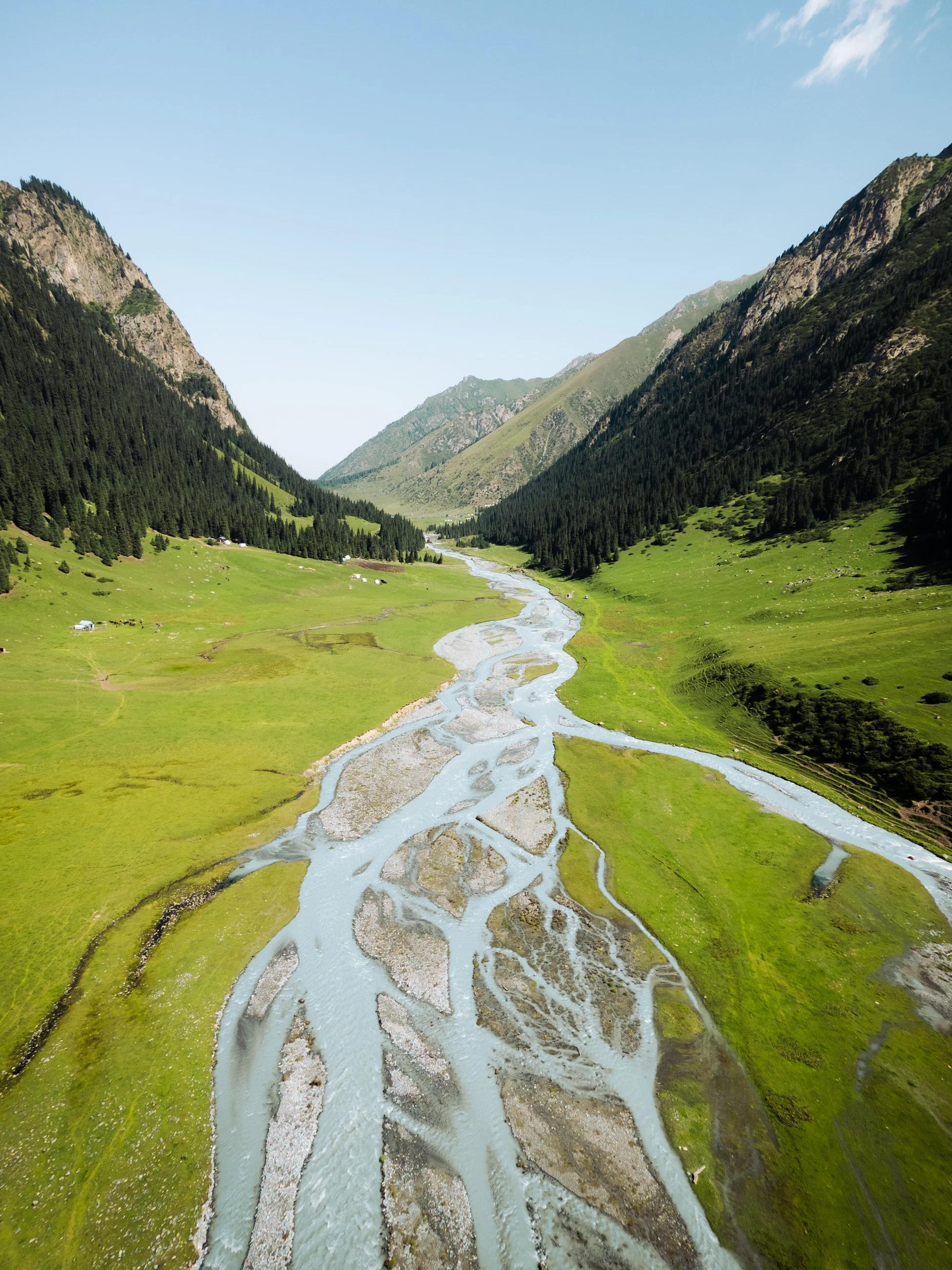
After breakfast, enjoy the valley, it is truly one of the most beautiful in all of Kyrgyzstan. You can rent a horse to ride back up towards the meadows and past the side valley you came down on the previous day, or enjoy the hot springs in the camp area.
Once you’re ready to set off, you have the choice of completing the final ~15km on foot, sharing a bus or, as we did, set off from the camp by foot and hail down a passing car once you’ve had enough of walking!
Like the first day, you’ll pass through tall pine forests and a view spectacular viewpoints on the way down to the finishing point of the trek, Ak-Suu village.
From here you’ll need to get a Yandex Taxi, bus or hitchhike back to Karakol.
Head to ‘The Hut’ for a cold drink to celebrate the incredible trek you’ve been on, I can guarantee most of the other trekkers who set off on the same day as you will also be there!
Day 5: Rest day and exploring Karakol
It’s safe to assume the legs are now feeling it, so take the day to just enjoy the town of Karakol.
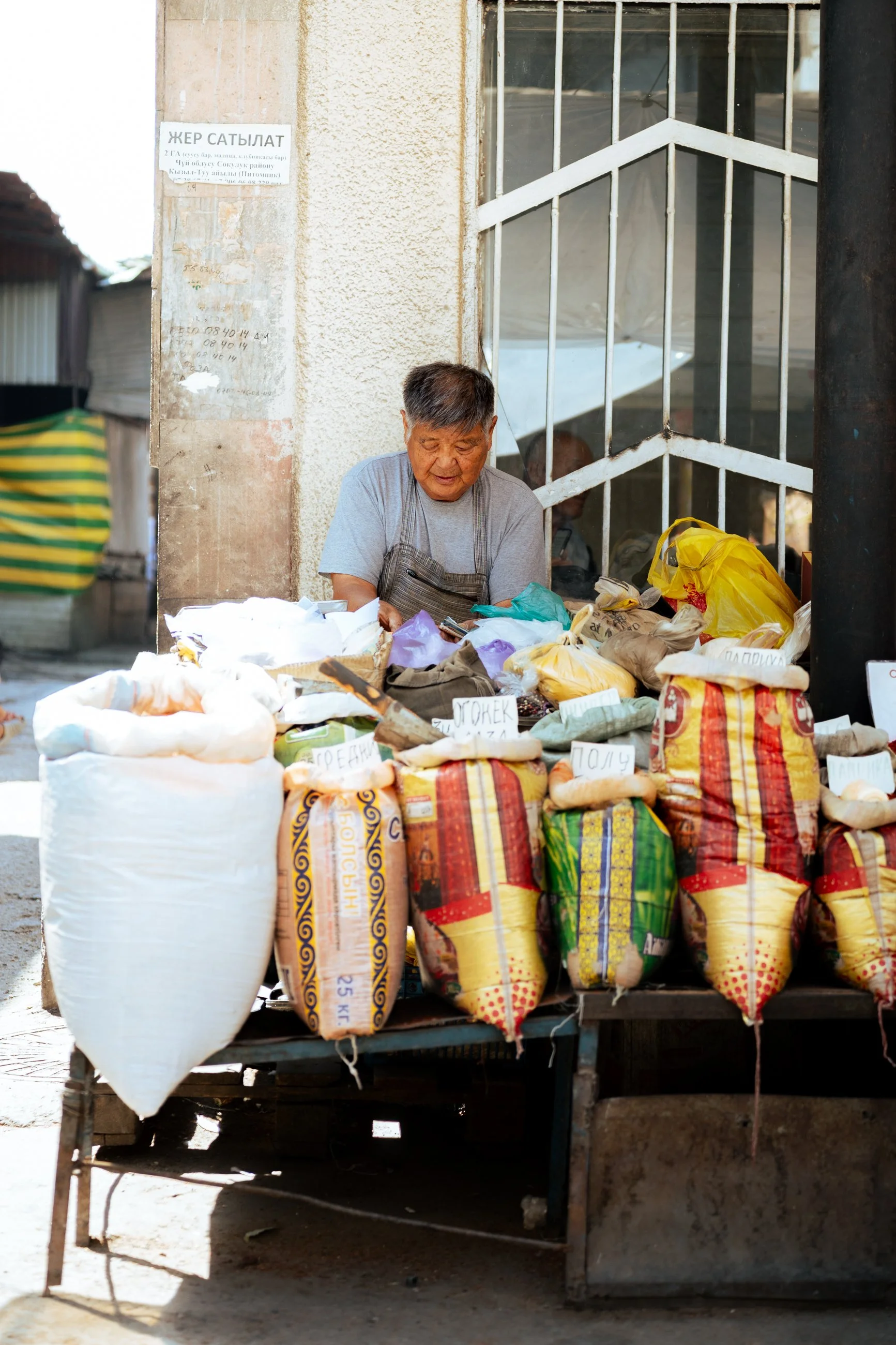
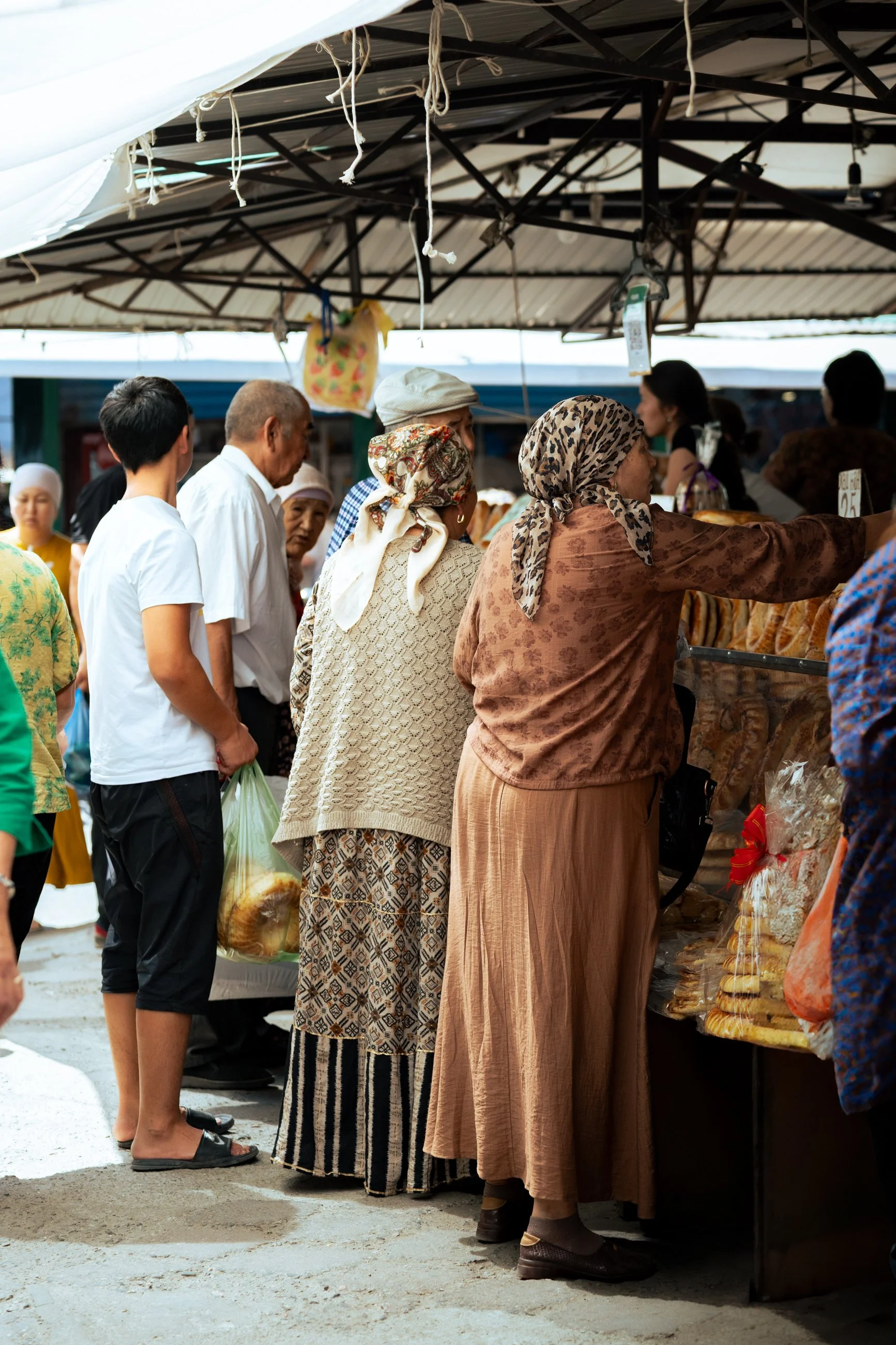
Visit the main bazaar, Aktilek Bazaar, and try some local Dungan food in Ashlan-Fu alley, this cold noodle soup is not at all what we expected to find in Kyrgyzstan!
The town also has a few bathhouses with saunas that you can visit, and in Ak-Suu, the village you finished the trek in yesterday, you can find the Ak-Suu Hot Springs, with a river plunge and multiple hot pools to rejuvenate in. You can drive and park easily at the Hot Springs.
Head out to Gorodsky Beach just north of Karakol to spend an afternoon on the shores of Lake Issyk-Kul, before tomorrows journey to some incredible spots on the southern shores of the lake.
Day 6: Drive to Jyrgalan and begin the Eki-Chat overnight hike.
It’s time for your second trek, and this one is unbelievably beautiful for the simple trek it is, especially when compared to the distance and elevation of Ala-Kul!
Drive east out of Karakol to the very end of this road towards Jyrgalan. Once you arrive to Jyrgalan, you can park at the Destination Jyrgalan Office. This is the only place you can rent camping equipment in this area, so if you do not have your own, this is it. Your own gear is recommended here as the yurt camps in the area don’t always accept guests.
Make sure to eat at the Destination Jyrgalan Office if they are able to prepare food for you, as there are no other restaurants in town besides the Tatty Cafe which only has bread. You can grab supplies at the ‘magazin’ or convenience store in town.
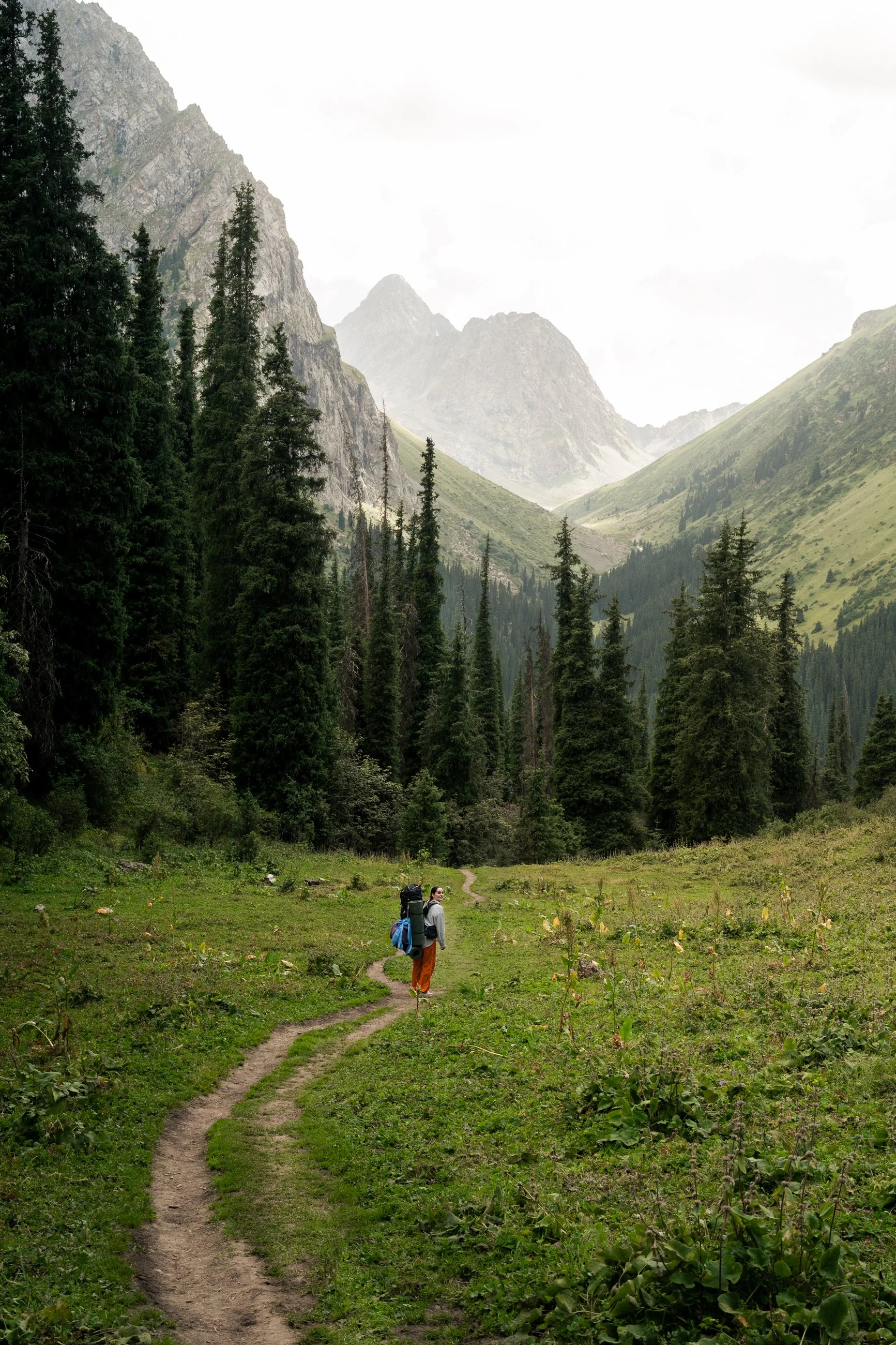
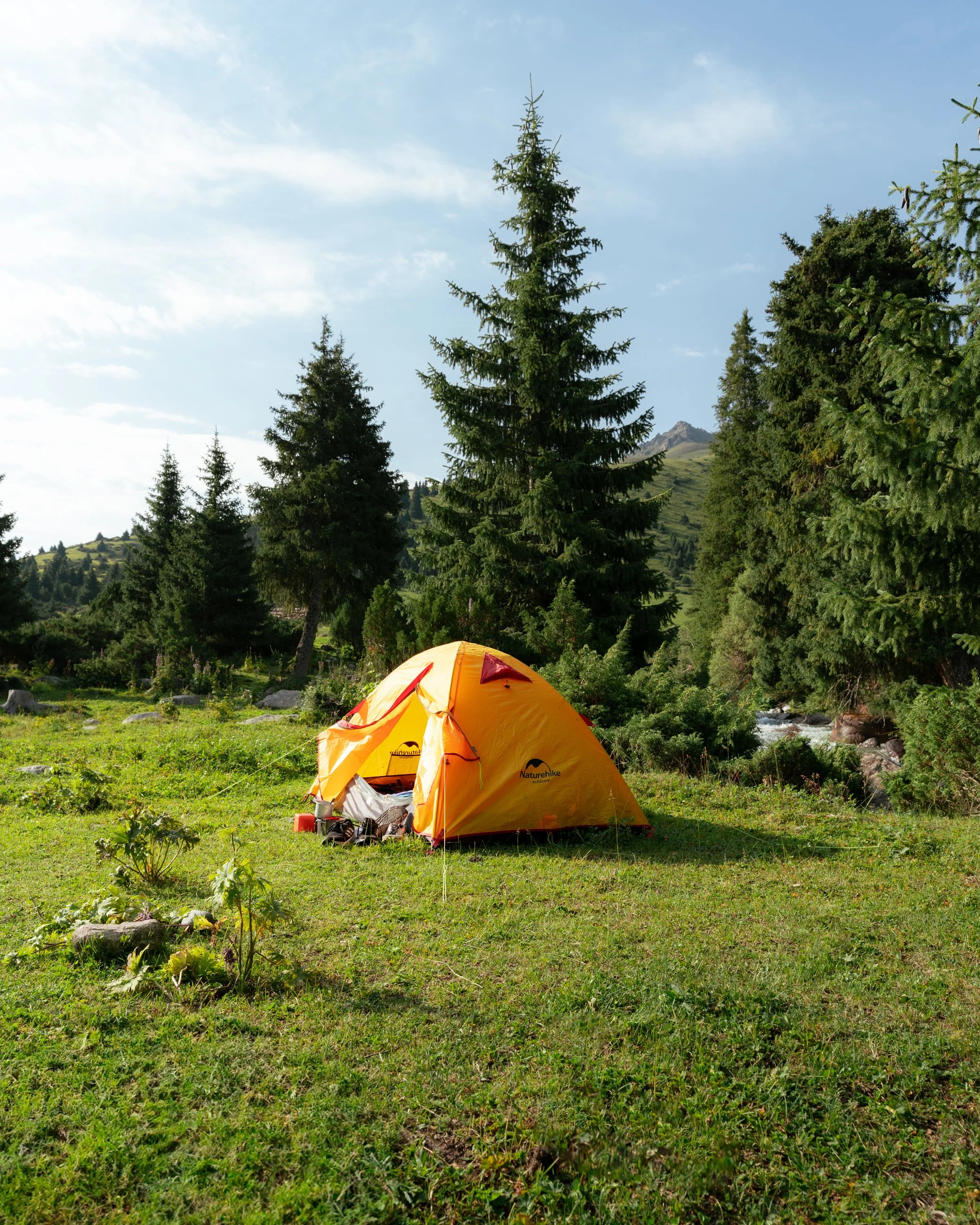
Begin the easy hike to the Eki-Chat area, following the south road out of town and into the valley. Follow trodden paths to avoid needing to climb steep sections if you stick too close to the river.
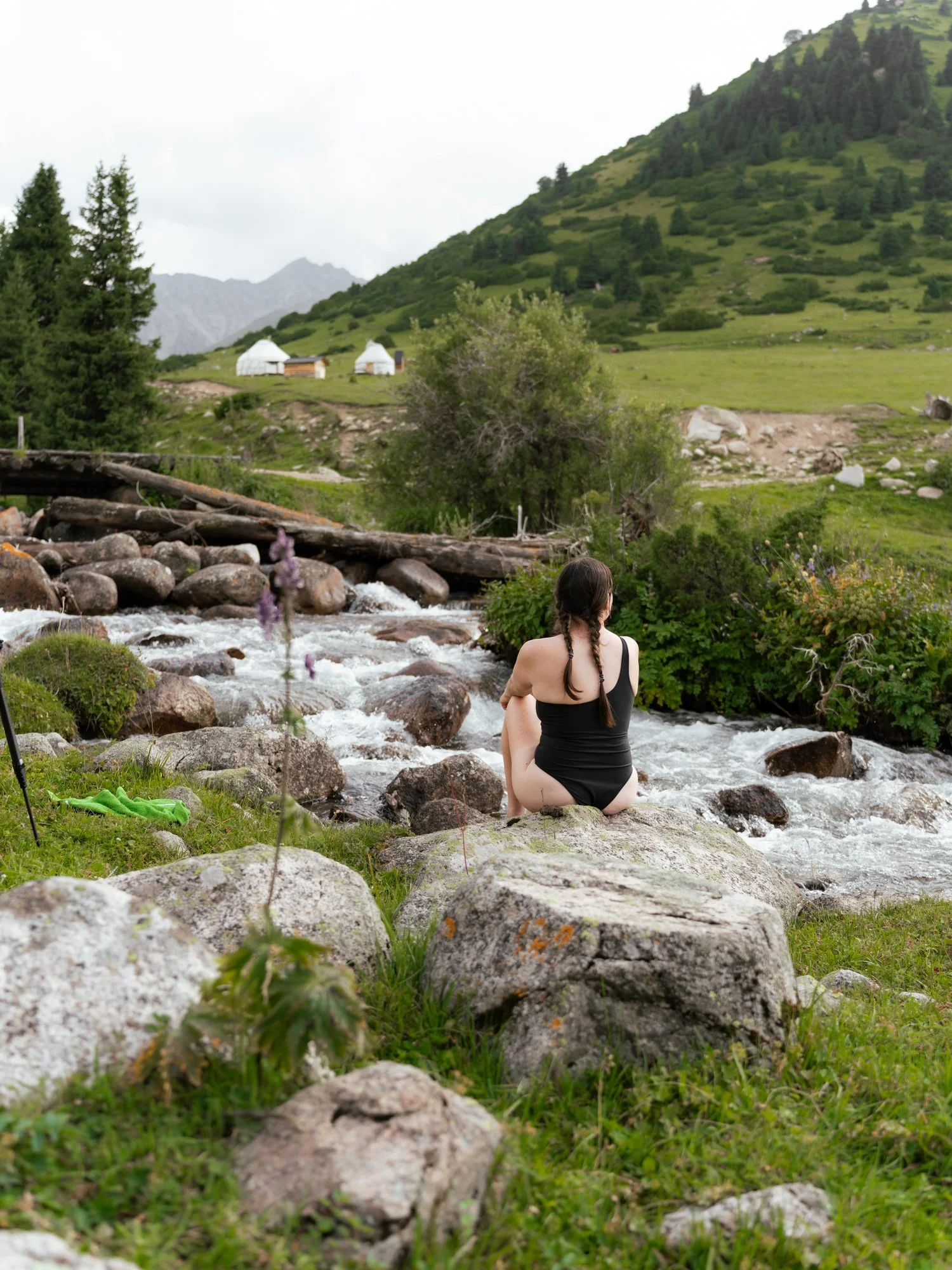
This place is pristine, and it’s likely you won’t see any other travellers here. The only people you’re likely to see are those taking on the Ak-Suu Traverse, a 7-day trek beginning in Jyrgalan.
Take some time to relax by the river and enjoy the scenery up here overnight.
Day 7: Turnaluu-Kol and your last night at Issyk-Kul
Wake up with the sun and pack up the tent before making your way back through the lush meadows and pine-lined valley of Jyrgalan.
Drop your gear if you rented it from Destination Jyrgalan, and begin the half-day circuit to Turnaluu-Kol lake.
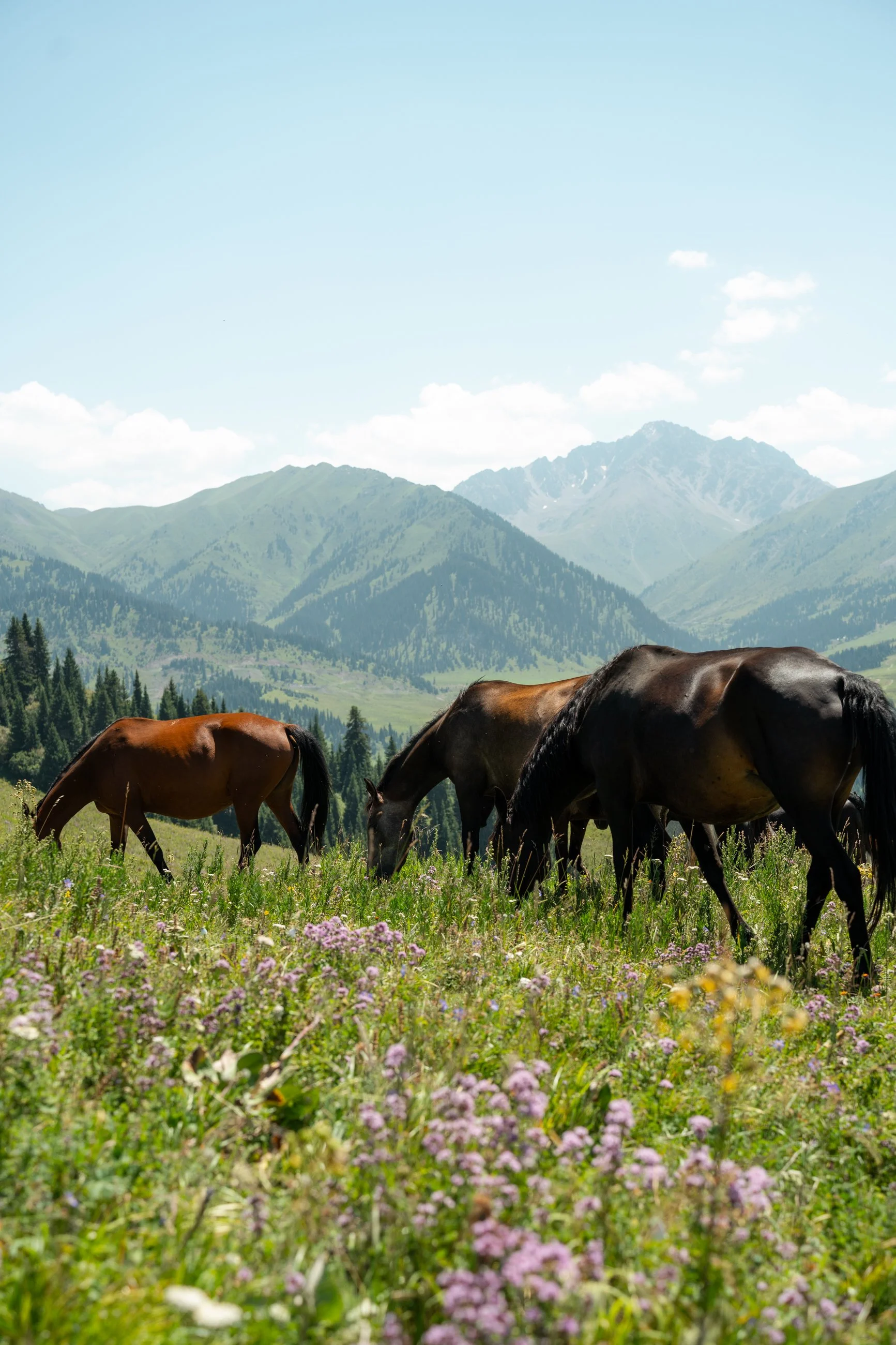
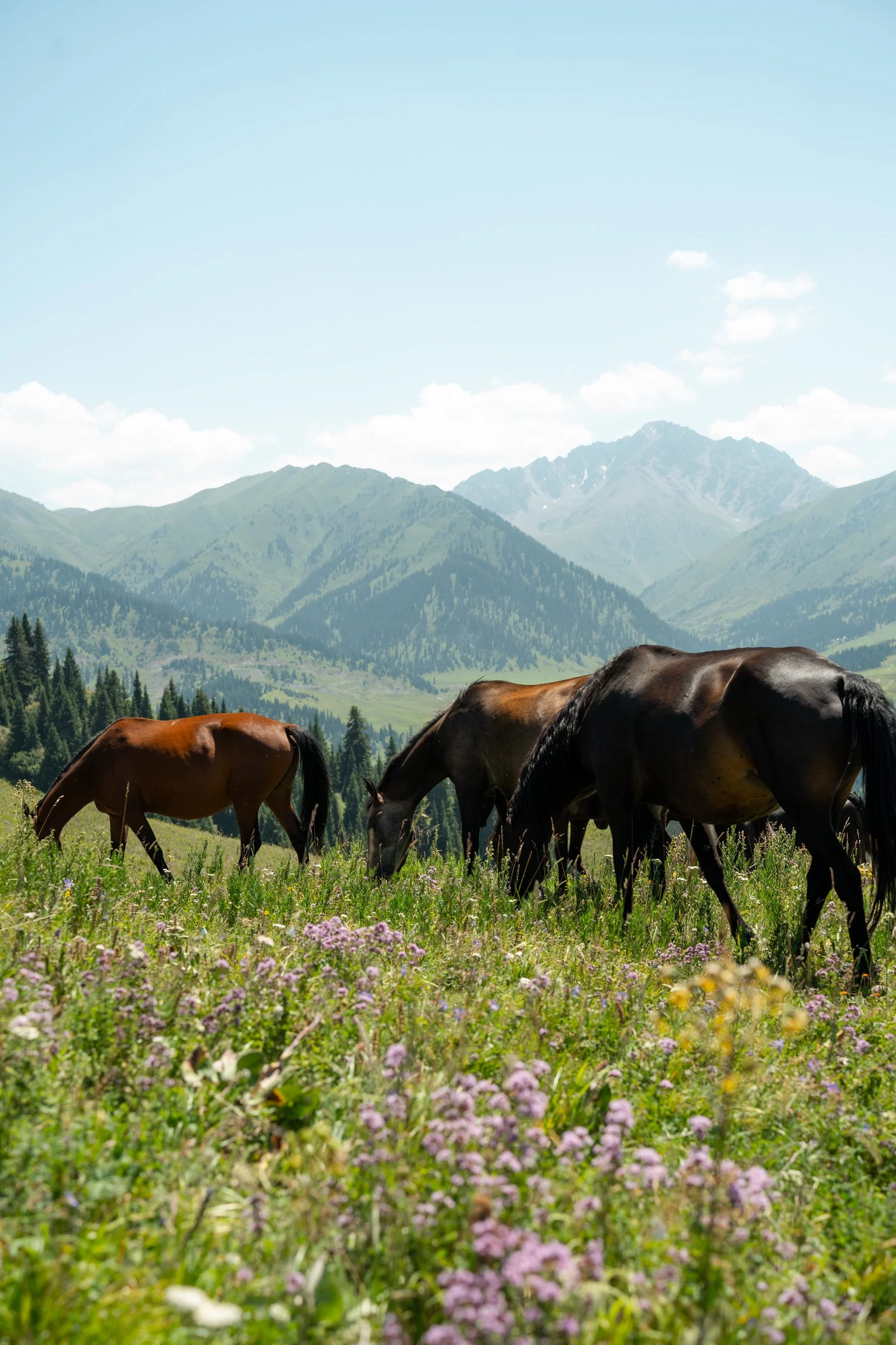
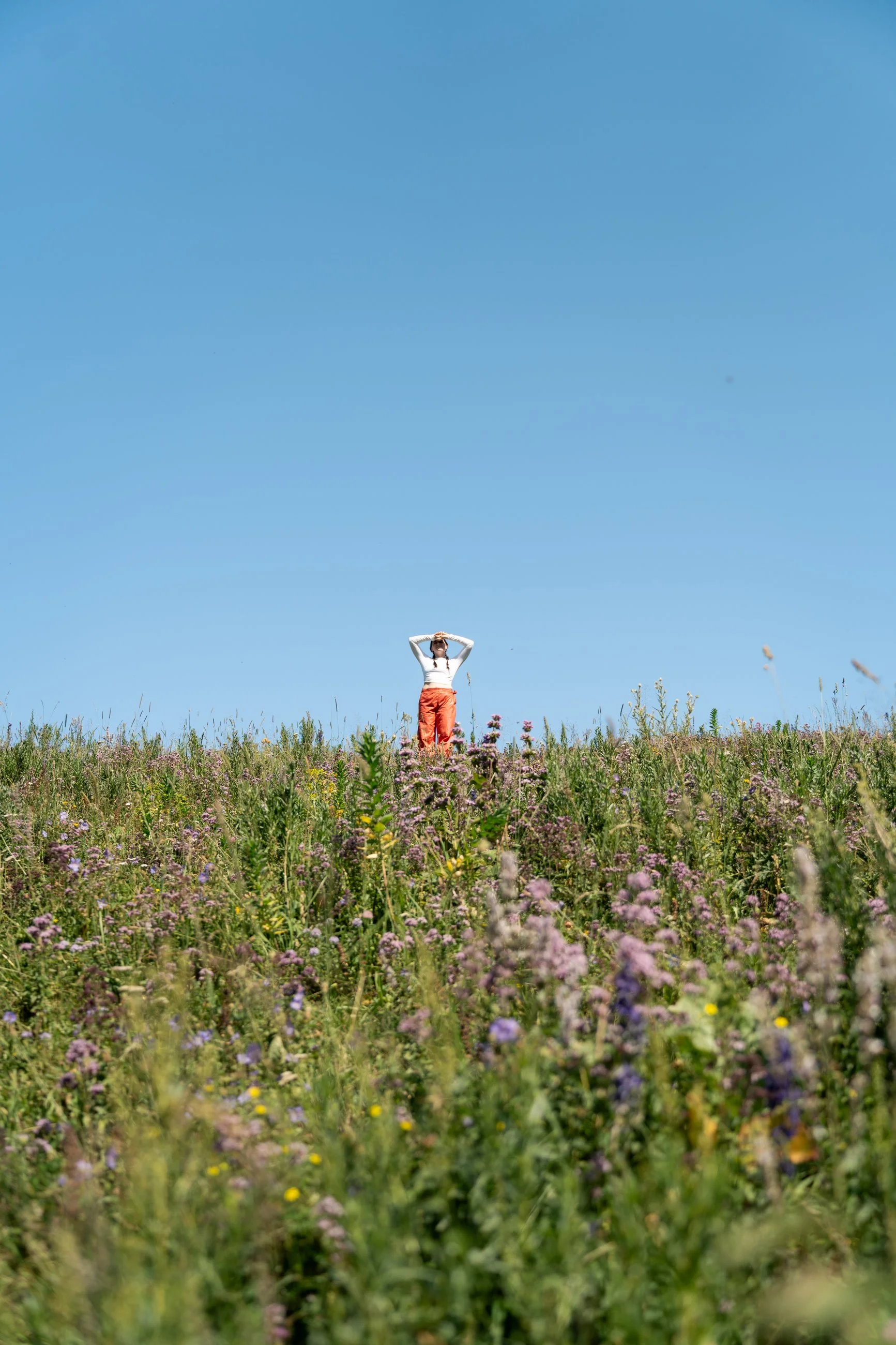
This short hike is about the route more than the destination, climbing up to mountain-backed alpine meadows home to herds of horses, pine forests and fields of wildflowers.
The lake itself is a great place to sit and cool off, enjoy the crisp, fresh air and snack on what you brought up with you. You’ll return back to Jyrgalan via the route you came, jump back in the car and set off for Tosor or Karakol depending on your timing. This will shave hours of the long driving day tomorrow and let you stay in a town with more amenities, stores and restaurants than little ol’ Jyrgalan!
Day 8: Fairytale canyon and the journey to Song-Kul
This morning you’ll begin the drive to Kyzart village where you’ll be able to find a Song Kul horse trek to join if you haven’t booked one in advance. If you have one already, travel to its start location.
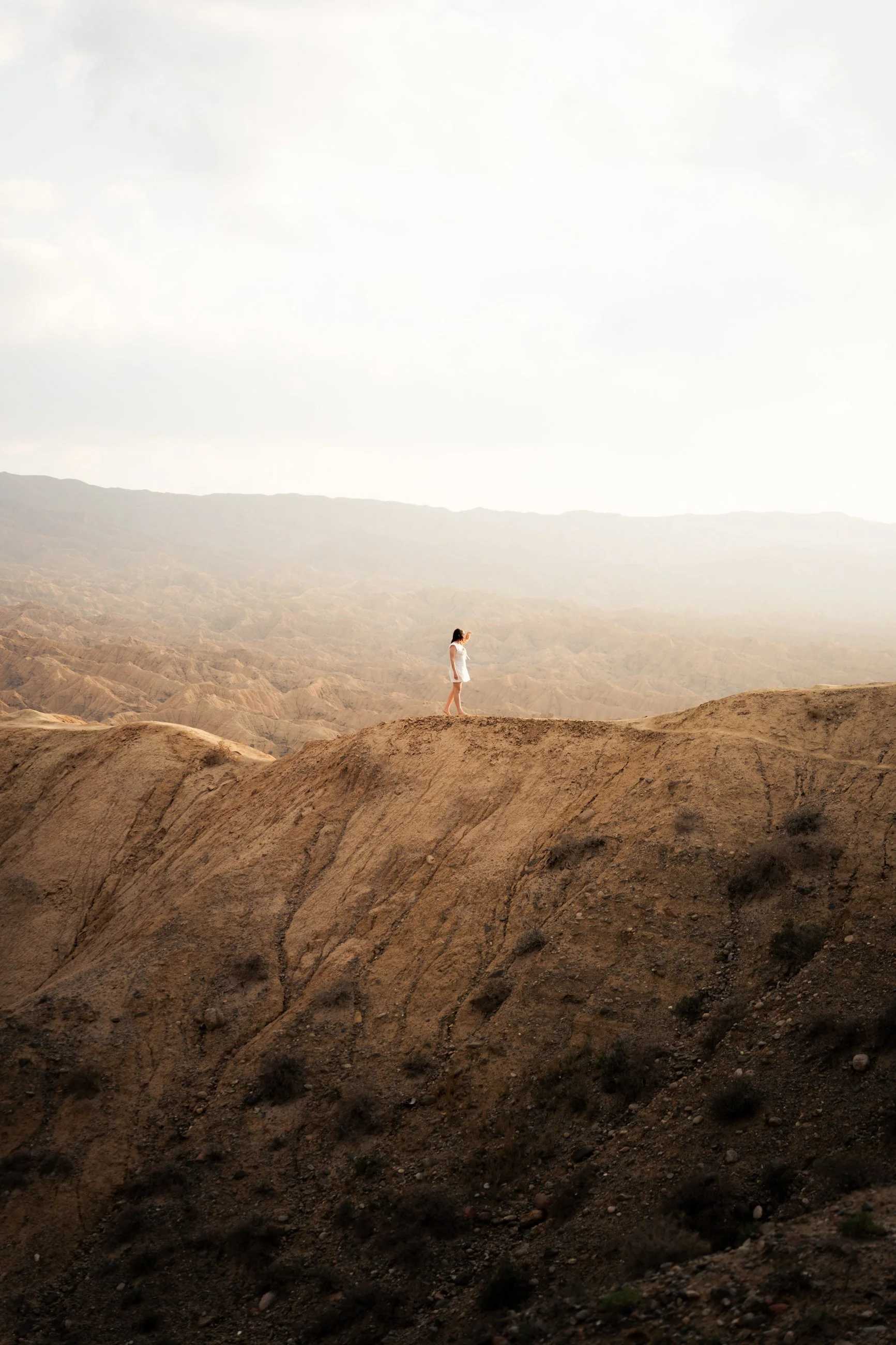
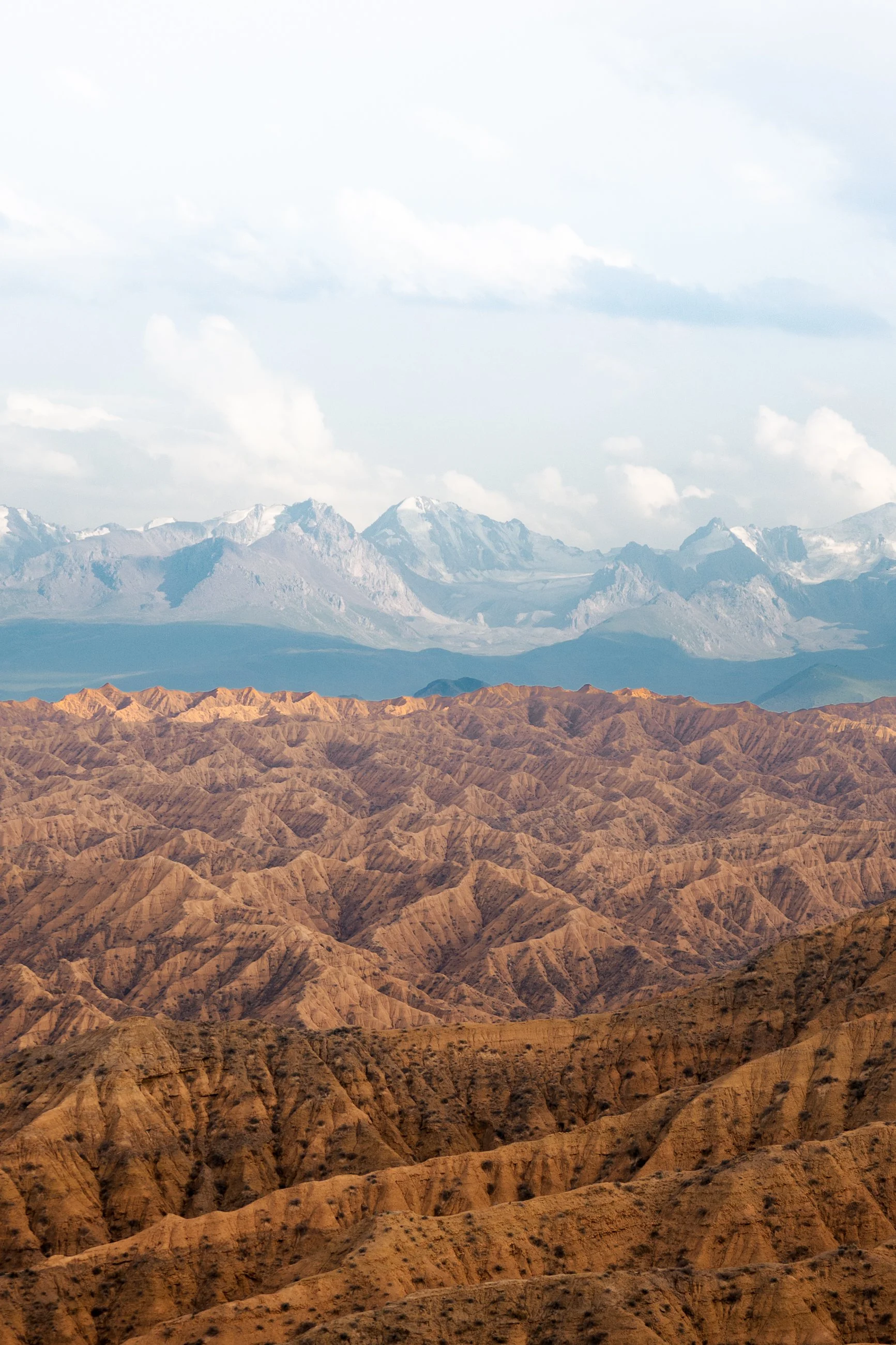
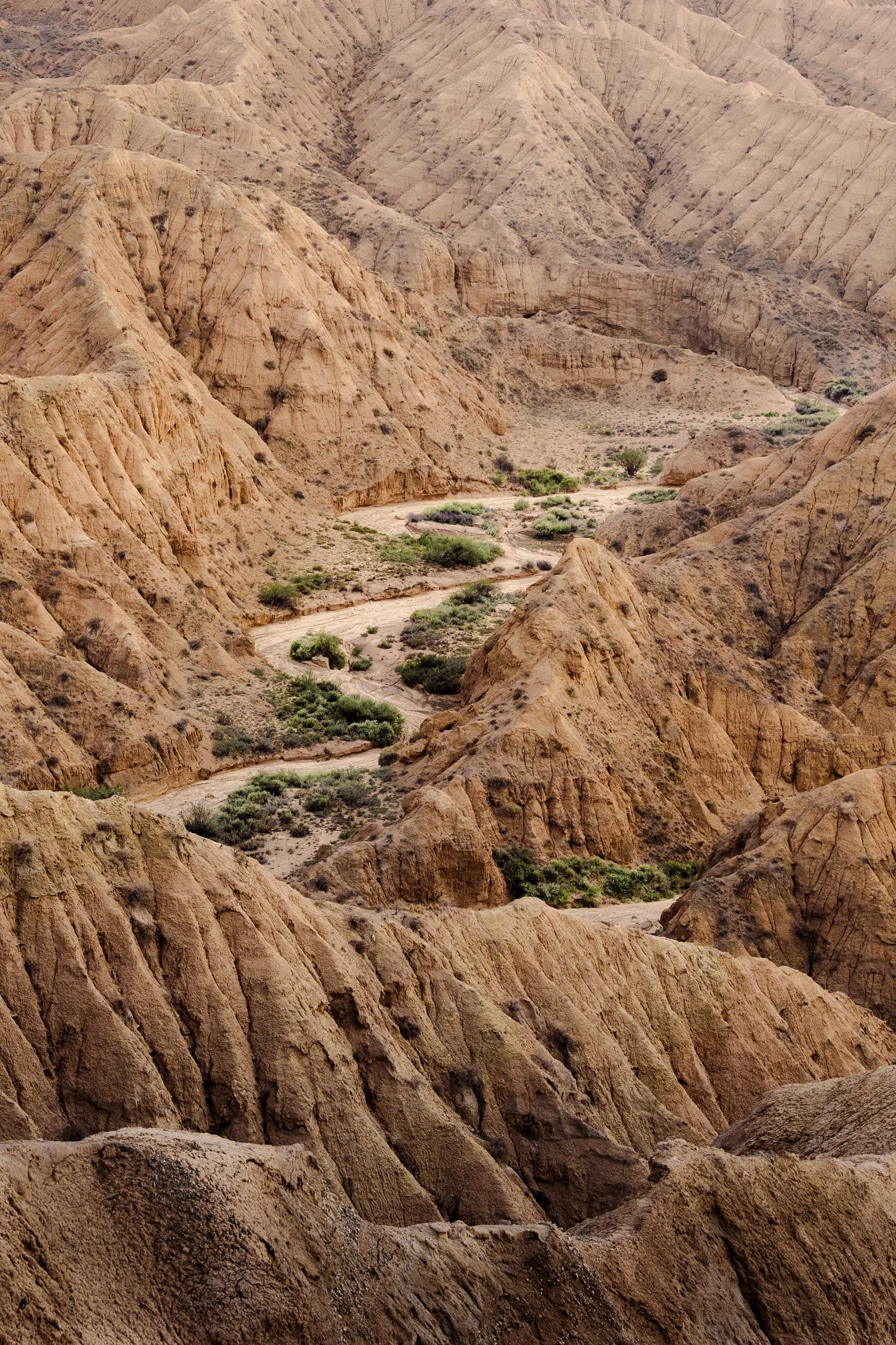
On the way out from Karakol or Tosor, stop at Skazka ‘Fairytale’ Canyon, and again in the town of Ak-Say, where you can drive through the Ak-Say canyon to the panorama ridge walk if you have a 4WD suitable vehicle, as the road is sandy and unstable.
Stop to eat in Bokonbayevo or Kochkor.
If you’ve prearranged a horse-trek, it will likely meet in Kochkor, so find your tour provider there and begin the journey.
If not, you can drive yourself to the village of Kyzart where most of the horse-treks themselves depart from to find a guesthouse offering a tour.
Day 9: Song-Kul lake and horse trekking!
You’ll set off in the afternoon of Day 8, or morning of Day 9 depending on the tour you choose in Kyrzart or Kochkor, and spend a night at the beautiful, still, Song-Kul lake.
This is without a doubt the most popular spot to visit in Kyrgyzstan, perfect for a short horse trekking experience and well equipped with plenty of quality yurt camps. It’s likely that your horse trek will be affiliated with one particular yurt camp, as such you should enquire in advance if there is a particular one you’d like to stay at.
Depending on when your trek departed, you will return the following day to conclude your ten days in Kyrgyzstan!
Day 10: End of the adventure!
Finish up your Song-Kul trek and jump back in the car.
Today you make your way back to Bishkek if that is the end of your trip. The drive from Kyzart to Bishkek is around four and a half hours assuming a stop for lunch in Kochkor or Balykchy. If you’re making good time you can stop on the way back at the historical Burana Tower for a look into Kyrgyzstan’s ancient history as a critical junction on the silk road.
Once back in Bishkek, treat yourself to a nice meal, a comfortable shower and a goods night rest before you head off on your next adventure!
That’s It!
If you’ve made it down here, thank you so much for reading!
That covers everything you need to know to get to one of the most unbelievably beautiful places we’ve ever been.
